Assessment
What is Assessment?
Through the process of a QEEG brain map and a thorough clinical intake, Dr. Roseann Is able to get a clear diagnostic picture and pinpoint specific issues and symptoms, which is why her targeted plans have helped thousands of children and young adults reverse their symptoms. A QEEG brain map is the first step that enables you to “check under the hood” and figure out what is interfering with your child’s learning, emotions, social functioning, or behaviors. Dr. Roseann uses her almost 30 years of experience in working with children and integrative methodologies to dig deep into what is going on and what exactly is needed to turn your child’s issues around. If you’re sick and tired of going from provider to provider, treatment to treatment, or medication to medication, call our office today to schedule a QEEG brain map so your child can be focused, flexible, communicate better, be less frustrated, and get along better with others.
Connect with Us“Dr. Roseann identified exactly what my son’s issues were and helped us put a plan in place that to treat his Dyslexia and ADHD. The
Neurofeedback therapy and Orton-Gillingham reading specialist she connected us with finally has helped our son to read. I know she changed the course of his life and will be forever grateful to her and her team.”*
What are some Early Warning Signs of a Learning Disability?
Early Warning Signs: Preschool
- Late talking, compared to other children.
- Pronunciation problems.
- Slow vocabulary growth, often unable to find the right word.
- Difficulty understanding questions
- Hard time expressing wants and desires
- Difficulty rhyming words.
- Trouble learning numbers, the alphabet, and days of the week.
- Difficulty discriminating size, shape, color
- Poor ability to follow or memorize directions or routines
- Easily confused by instructions
- Lack of interest in storytelling
- Difficulty sitting still
- Extremely restless and easily distracted.
- Trouble interacting with peers.
- Lack of persistence at tasks
- Fine motor skills slow to develop
- Trouble learning self-help skills (tying shoelaces)
- Clumsiness
- Avoidance of drawing or tracing
- Worries about things in the future
GRADES K-4
- Slow to learn the connection between letters and sounds
- Difficulty breaking words apart into sounds
- Difficulty blending sounds together to make words
- Confuses basic words (run eat, want, was)
- Difficulty pronouncing new words and remembering them
- Makes consistent reading and spelling errors including letter reversals (b/d), inversions (m/w), transpositions (felt/left) and substitutions (house/home)
- Guesses at unknown words while reading because they can’t figure out the sounds or blend them together
- Transposes number sequences and confuses arithmetic signs (+, -, x, /, =).
- Trouble following directions
- Slow recall of facts
- Slow to learn new skills, relies heavily on memorization
- Difficulty with cause and effect, sequencing, and counting
- Slow to learn new concepts
- Impulsive, difficulty planning
- Careless errors
- Distractibility
- Organizational problems
- Unstable pencil grip
- Trouble with letter formation
- Trouble learning about time and other math concepts
- Difficulty finishing work on time
- Poor coordination, unaware of physical surroundings, prone to accidents
- Often very competent in oral language, but not with written language
GRADES 5-8
- Reverses letter sequences (soiled/solid, left/felt)
- Slow to learn prefixes, suffixes, root words, and other spelling strategies
- Doesn’t know the sounds associated with all of the letters
- Skips words in a sentence and doesn’t stop to self-correct
- Can’t remember words; sounds out the same word every time it occurs on the page
- Slow recall of facts
- Avoids reading aloud
- Poor reading comprehension
- Lack of verbal participation in class.
- Trouble with word problems
- Difficulty with handwriting
- Awkward, fist-like or tight pencil grip
- Avoids writing compositions
- Slow or poor recall of number facts
- Failure of automatic memory
- Inconsistency
- Poor self-monitoring
- Poor ability to discern relevant detail
- Poor learning strategies
- Disorganization in time or space
- Difficulty finishing work on time
- Peer rejection
- Difficulty making and keeping friends
- Trouble understanding body language and facial expressions
- Often very competent in oral language, but not with written language
- Poor performance in tests and quizzes despite good study skills
HIGH SCHOOL and YOUNG ADULTS
- Continues to spell incorrectly, frequently spells the same word differently in a single piece of writing
- Avoids reading and writing tasks
- Trouble summarizing
- Trouble with open-ended questions on tests
- Weak grasp of information
- Foreign language problems
- Poor written expression
- Mental fatigue
- Weak memory skills
- Difficulty adjusting to new settings
- Works slowly
- Poor grasp of abstract concepts
- Either pay too little attention to details or focuses on them too much
- Misreads information
- Difficulty persisting through tasks
- May have difficulty with planning, organization, and management of time, materials and tasks
- Often very competent in oral language, but not with written language
- Poor performance in tests and quizzes despite good study skills
What is a Learning Disability?
When someone has a learning disability, it means that he or she learns differently than most people, and that learning itself is usually more difficult. A learning disability is a condition that can affect anybody, regardless of age, ethnicity, or gender.
What is Dyslexia?
Why Dr. Roseann forAssessment ?
Dr. Roseann is a Psychologist who works with children, adults and families from all over the US supporting them with research based and holistic therapies that are bridged with neuroscience.
Dr. Roseann is a Board Certified Neurofeedback (BCN) Practitioner and is a Board Member of the Northeast Region Biofeedback Society (NRBS) and Epidemic Answers.
She is also a member of the International Society for Neurofeedback and Research (ISNR) and The Association of Applied Psychophysiology and Biofeedback (AAPB).
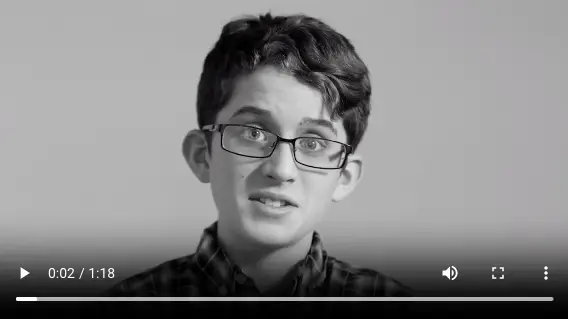
Here’s What Children and Families Are Saying About Working With Us!


Need help with Assessment for your child and family?
We’ve helped over 10,000+ children, teens, and young adults find relief, calm the brain, and lead healthy lives. If you’re worried that your current path is not getting to the bottom of the issues…all you need to do is fill out our solution matcher. We’ll let you know which of our solutions is right for your child and family.