


🕒 Estimated reading time: 6 minutes
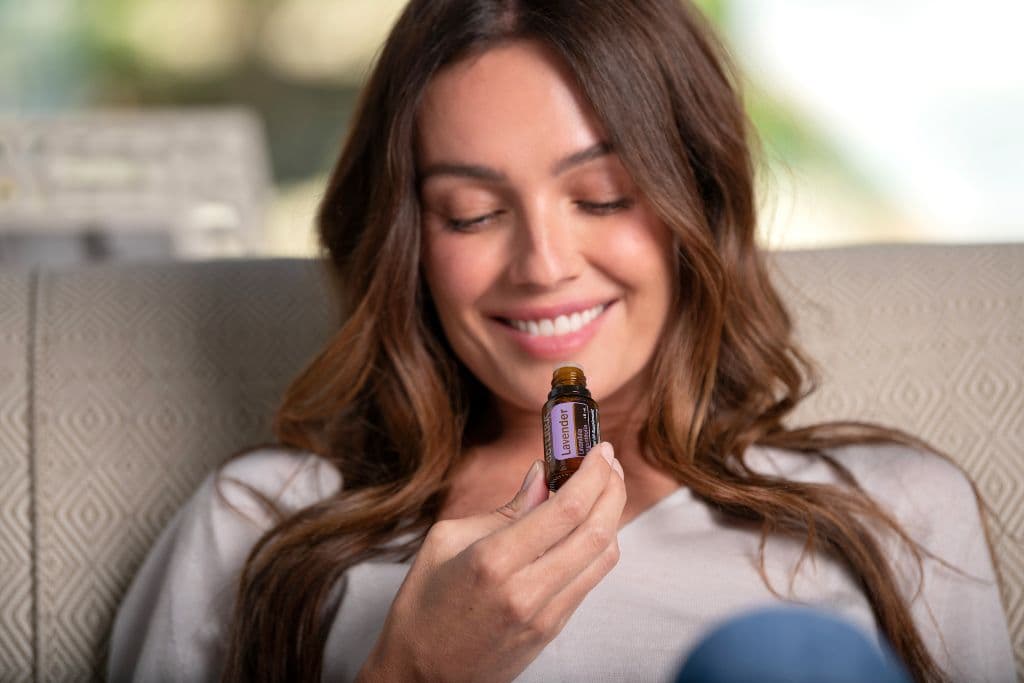
Essential oils for sleep are a popular natural option for promoting relaxation and supporting a more restful night's sleep. Popular essential oils for sleep include lavender, chamomile, cedarwood, vetiver, bergamot, sandalwood, and ylang-ylang, all of which are commonly used to encourage calm before bedtime.
If your child struggles to fall asleep, wakes frequently during the night, or seems unable to settle at bedtime, it may be more than a sleep issue—it could be a sign of a dysregulated nervous system.
When the brain remains in a heightened state of stress or sensory overload, falling and staying asleep becomes much more difficult.
While essential oils won't treat the underlying causes of sleep problems, they may help create a calming bedtime environment and support nervous system regulation when paired with healthy sleep habits and other evidence-based strategies.
I'm Dr. Roseann Capanna-Hodge, and over the past 30+ years I've worked with autistic children and their families to develop personalized, brain-based strategies that respect each child's unique strengths while addressing the challenges that interfere with learning, relationships, and everyday life
What You'll Learn:
- Which essential oils are commonly used to support relaxation and sensory regulation in autistic children.
- How nervous system regulation can influence emotional well-being and daily functioning.
- Safe considerations for using essential oils as part of a comprehensive autism support plan.
What are the benefits of essential oils for autistic children?
Autistic children often struggle with sensory overload, poor sleep, high anxiety, and emotional dysregulation. These challenges are rooted in a nervous system that is easily overwhelmed.
Essential oils can help calm and regulate that nervous system, supporting:
- Emotional regulation and mood stability
- Sleep onset and nighttime restlessness
- Focus and cognitive function
- Sensory integration and calm in overstimulating environments
- Transitions and anxiety around change
Lena, a mom of a 7-year-old on the spectrum, started diffusing lavender and vetiver during homework time. “It’s not a miracle,” she says, “but it’s like the edge gets taken off. He’s more settled—and I’m calmer too.”
How do essential oils calm the nervous system?
Essential oils work through the olfactory nerve, which connects directly to the limbic system—the part of the brain that regulates emotions, memory, and the stress response.
When your child inhales calming oils like frankincense or Roman chamomile, it activates the parasympathetic nervous system, helping them shift out of fight-or-flight mode.

What are the best essential oils for autism symptoms?
Here are the most well-researched and widely used essential oils for autistic children:
- Lavender – Promotes relaxation and better sleep
- Vetiver – Improves focus and reduces restlessness
- Frankincense – Calms intrusive thoughts and anxiety
- Cedarwood – Grounds the senses and soothes agitation
- Roman Chamomile – Supports emotional regulation
- Bergamot – Uplifts mood and reduces sensory overwhelm
Bonus oils: Ylang ylang, sandalwood, and clary sage are also excellent for calming the sensory system.
How can I use essential oils safely with my child?
Safety always comes first—especially with children and neurodivergent kids whose nervous systems can be more sensitive to smells and chemicals. Essential oils can be calming and supportive when used correctly, but it’s important to follow safety guidelines to avoid overstimulation, skin irritation, or unwanted side effects.
Essential Oil Safety Reminders
- Always dilute oils before applying to skin
- Use a proper diffuser, not a humidifier
- Choose child-safe oils
- Avoid diffusing around pets without checking toxicity
Click here for Dr. Roseann’s full safety guide for kids.

What’s the best way to introduce oils into a daily routine?
Start small, stay consistent, and observe. The best way to bring essential oils into your child’s routine is by choosing one calming oil and pairing it with a daily transition—like bedtime, homework time, or the drive to school. That gentle repetition signals safety to the nervous system and helps the brain form calming associations over time.
Easy ways to begin:
- Diffuse calming oils during bedtime or transitions
- Add a drop of diluted oil to a sensory fidget or bracelet
- Use roll-ons before stressful events (e.g., car rides, appointments)
- Pair with a calming activity like deep breathing or gentle stretching
Rob, a dad of a 10-year-old who struggles with sensory meltdowns, uses a lavender roller on his son’s wrists every night: “It’s become our signal to slow down. He actually reminds me if I forget.”
Do essential oils help with sleep, focus, and sensory issues?
Yes—and the research is catching up with what parents have long known anecdotally.
Sleep: Lavender, Roman chamomile, and sandalwood support falling and staying asleep
Focus: Vetiver and cedarwood help improve attention and reduce hyperactivity
Sensory: Frankincense and bergamot soothe the sensory system and reduce reactivity
A 2016 study found that vetiver oil improved attention levels in children with ADHD by up to 100% during testing sessions.
| Essential Oil | Benefit | Brain Support | Use |
|---|---|---|---|
| Lavender | Calming | Lowers stress response | Sleep, anxiety, transitions |
| Vetiver | Grounding | Boosts focus & regulation | Attention, meltdowns |
| Frankincense | Stabilizing | Balances mood & emotion | OCD, irritability |
| Cedarwood | Focusing | Aids executive function | Schoolwork, distraction |
| Chamomile | Soothing | Activates calm state | Bedtime, sensory overload |
| Bergamot | Uplifting | Regulates mood | Mornings, low motivation |
| Clary Sage | Sedating | Calms overactive brain | Overwhelm, rumination |
Can essential oils reduce sensory meltdowns or emotional outbursts?
Meltdowns aren’t tantrums—they’re nervous system overload and can be linked to sensory overload. Essential oils can’t stop dysregulation altogether, but they can:
- Lower overall arousal levels
- Create calming rituals that signal safety
- Help the brain shift out of threat mode faster
Alyssa, whose son is easily triggered by sounds, uses bergamot in a pendant diffuser during errands. “It doesn’t erase his sensitivity, but it gives us a buffer. And that makes our days more manageable.”
Are essential oils a replacement for other autism therapies?
No. Essential oils are one tool in a comprehensive support plan.
They don’t replace behavioral therapy, nutrition, neurofeedback, or nervous system regulation—but they can enhance those strategies when used consistently and intentionally.
Want to build a calming toolkit for your child? Grab our Natural Solutions Quick Start Guide and get Dr. Roseann’s top brain-based calming strategies
Final Thoughts + Where to Start with Essential Oils for Autism
Essential oils for autism aren’t a magic fix—but they are a simple, sensory-friendly way to help calm the brain.
And when the brain is calm, your child can be more connected, focused, and regulated.
Start with one oil. Use it during transitions or bedtime. Pair it with co-regulation, deep breathing, or another calming cue. Over time, your child’s brain learns what calm feels like—and that’s when the real change begins.
Behavior is communication. Let’s start by calming the brain.
FAQ about Autism and Essential Oils
Are essential oils safe for autistic children?
Yes—when used properly. Always dilute with a carrier oil and patch test. Stick with kid-safe oils like lavender, frankincense, and vetiver.
Can I use essential oils with medication?
In most cases, yes. But always consult your provider first—especially if your child has multiple medical conditions.
How soon will I see results?
Some parents notice a difference right away; for others, it takes weeks. Consistency is key. Pair oils with regulation tools like breathing and routines.
Should I use a diffuser or apply to skin?
Both work. Start with a diffuser during bedtime or homework, then consider skin-safe roll-ons if your child tolerates touch and scent well.
Citations
Ayaz, M., Sadiq, A., Junaid, M., Ullah, F., Subhan, F., & Ahmed, J. (2017). Neuroprotective and Anti-Aging Potentials of Essential Oils from Aromatic and Medicinal Plants. Frontiers in Aging Neuroscience, 9(168). https://doi.org/10.3389/fnagi.2017.00168
Damian, P., & Damian, K. (1995). Aromatherapy: Scent and Psyche: Using Essential Oils for Psychological and Physical Well-being. Healing Arts Press.
Koulivand, P. H., Khaleghi Ghadiri, M., & Gorji, A. (2013). Lavender and the Nervous System. Evidence-Based Complementary and Alternative Medicine. https://www.hindawi.com/journals/ecam/2013/681304/
Dr. Roseann is a mental health expert in Self-Regulation who frequently is in the media:
Healthline Understanding Self-Regulation Skills
Scary Mommy What Is Self-Regulation In Children, And How Can You Help Improve It?
The Warrior Parent Podcast It's Gonna Be OK! Changing Behaviors and Responses (And The Magic of Magnesium)In Your Family with Dr. Roseann Capanna-Hodge
Always remember… “Calm Brain, Happy Family™”
Disclaimer: This article is not intended to give health advice and it is recommended to consult with a physician before beginning any new wellness regime. The effectiveness of diagnosis and treatment vary by patient and condition. Dr. Roseann Capanna-Hodge, LLC does not guarantee certain results.
Are you looking for SOLUTIONS for your struggling child or teen?
Dr. Roseann and her team are all about science-backed solutions, so you are in the right place!
Meet the Expert
Licensed Therapist | Certified School Psychologist
Board Certified in Neurofeedback (BCN) | 30+ Years Clinical Experience
Expert in Emotional Dysregulation in Children and Nervous System Regulation
Host, Dysregulated Kids Podcast | Author, The Dysregulated Kid
Dr. Roseann Capanna-Hodge is a licensed therapist, certified school psychologist, and leading expert in emotional dysregulation in children and nervous system regulation. With over 30 years of clinical experience and having analyzed more than 10,000 brain maps, she helps families understand what behavior is really signaling—and how to calm the nervous system first so real change can happen.
She is the creator of Regulation First Parenting® and the CALMS Protocol™, host of the top 1% podcast Dysregulated Kids, and author of The Dysregulated Kid.