

Join the Dysregulation Insider get free calm parenting tips straight to your inbox!
YES, I'M IN!Discover Effective Treatments to Stop OCD Symptoms and Bring Relief | Emotional Dysregulation in Children | E40





Estimated Reading Time: 6 minutes
When your child is overwhelmed by intrusive thoughts, rituals, and fear, it can feel like nothing is working. Many families are told OCD is hard to treat, but that is not the full picture. There are effective treatments for OCD symptoms that can help your child feel calmer, more in control, and capable again.
Many of these challenges are rooted in emotional dysregulation in children. When you understand how the brain is driving these behaviors, you can shift from reacting to supporting real change.
In this episode, you will learn why OCD can appear treatment resistant, how well-meaning parenting can unintentionally reinforce symptoms, and which brain-based tools actually help a dysregulated child move forward.
Why OCD Can Feel Treatment Resistant
Many children are not improving because they were never given the right diagnosis or the right type of support. OCD is often confused with anxiety, ADHD, or behavior problems, which leads to ineffective treatment plans.
Common Reasons OCD Feels Stuck
- Misdiagnosis that leads to the wrong treatment approach
- Talk therapy alone that does not interrupt compulsions
- Parent accommodation that unintentionally reinforces rituals
- An overwhelmed nervous system that blocks learning
When the approach does not match the problem, progress slows down. The issue is not that your child cannot get better. The issue is that the brain has not been supported in the right way yet.
How Reinforcement Strengthens OCD Symptoms
OCD runs on reinforcement. The more a child performs a ritual or seeks reassurance, the more the brain believes that behavior is necessary for safety.
What Is Happening in the Brain
- Rituals temporarily reduce anxiety
- That relief teaches the brain to repeat the behavior
- Baseline anxiety increases over time
- The child needs more reassurance to feel safe
This is how OCD builds momentum. It is not a behavior problem. It is a learned survival pattern inside a dysregulated child.
Real Life Example
A child repeatedly asks, “What if something bad happens?” A parent reassures them each time. The child feels better for a moment, but the brain learns that reassurance is required. Over time, the questions increase instead of decreasing.
Why Brain Based Tools Matter for OCD
To effectively address OCD, you must calm the nervous system first. A child who is in a stress response cannot access logic, coping skills, or new learning.
Nervous System Reset for Children
A nervous system reset for children creates the foundation for change. When the brain is calmer, children can tolerate discomfort and begin to break the OCD cycle.
Regulation Techniques for Kids
- Deep breathing and grounding exercises
- Movement based regulation
- Sensory calming strategies
- Structured routines that reduce overwhelm
These regulation techniques for kids create stability so the brain can begin to shift out of fear patterns.
How OCD Hijacks the Brain
OCD is not about logic. It is about fear. Intrusive thoughts take over and feel real, urgent, and dangerous to the child.
Understanding Intrusive Thoughts
- Thoughts feel vivid and threatening
- The child believes something bad will happen
- Compulsions are used to reduce fear
- Avoidance develops over time
This is part of emotional dysregulation in children. The brain is trying to protect itself, even when the strategy is not helpful.
Why Understanding OCD Matters
You cannot effectively treat OCD if you do not understand how it works. Once you see how sneaky the cycle is, you can stop reinforcing it and begin responding differently.
What Actually Works for OCD
There are proven treatments for OCD symptoms that help children retrain their brain and reduce fear based patterns.
Exposure and Response Prevention (ERP)
ERP is the gold standard treatment for OCD.
How ERP Helps
- Gradually exposes children to feared situations
- Prevents compulsive responses
- Builds tolerance for discomfort
- Rewires the brain through experience
ERP works because it changes behavior and brain patterns, not just thoughts.
Why Regulation Comes First
Children do best when their nervous system is calm before starting ERP. A dysregulated child will struggle to engage in exposure work without support.
Combining Brain Based Tools
The most effective approach combines:
- Nervous system regulation
- Brain based tools like neurofeedback or PEMF
- Parent training to reduce accommodation
- Structured ERP therapy
This combination allows children to build skills in a way that feels safe and manageable.
Supporting Your Child Without Reinforcing OCD
Parents play a critical role in helping their child break the OCD cycle.
What Helps
- Validate your child’s feelings without reinforcing the fear
- Avoid answering repetitive reassurance questions
- Stay calm and consistent
- Reinforce effort, not perfection
What to Avoid
- Reassuring repeatedly
- Participating in rituals
- Avoiding triggers completely
- Reacting with frustration or urgency
Your response teaches the brain what is safe. Calm, consistent support helps your child build confidence over time.
Takeaway
OCD is not a behavior problem. It is a brain based pattern that can be changed with the right approach. There are effective treatments for OCD symptoms that combine regulation, skill building, and evidence based therapy.
When you focus on calming the brain first, everything else becomes easier. Your child can learn to tolerate discomfort, reduce compulsions, and feel more in control.
Because when you regulate first, everything else follows.
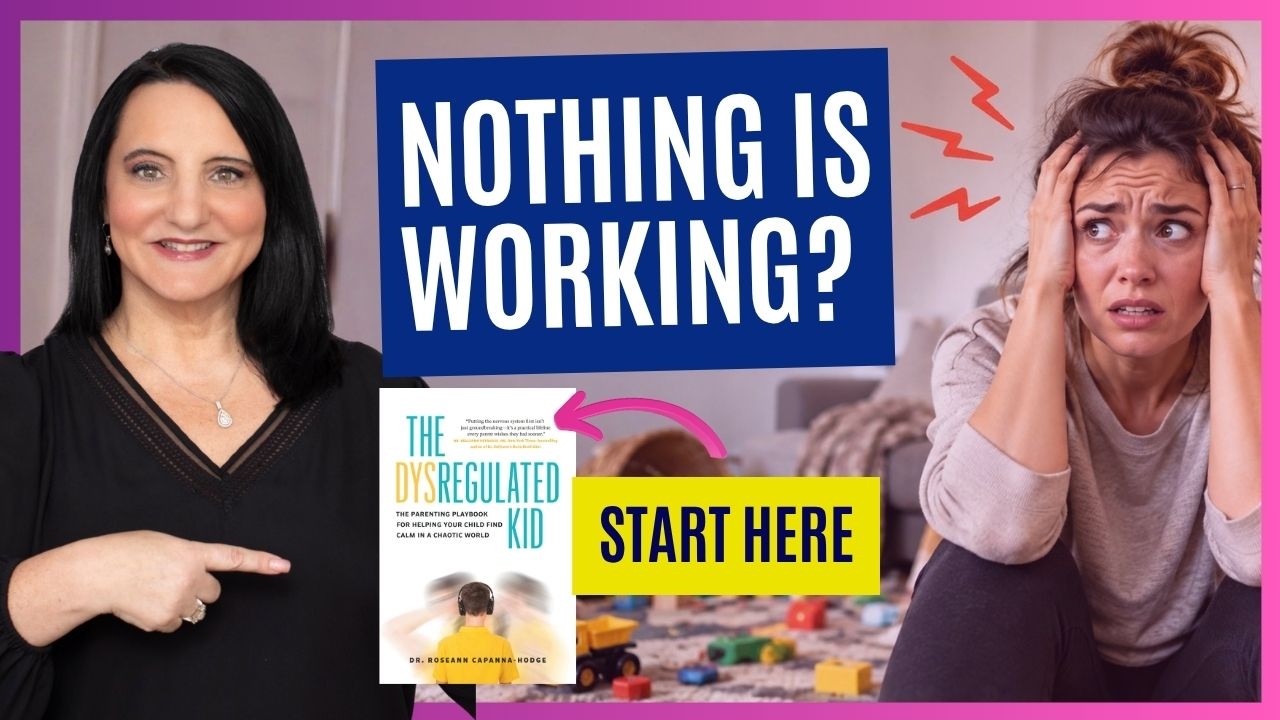
OCD can take over a child’s thoughts, routines, and family life, but the symptoms you see are only one part of the picture. In The Dysregulated Kid®, I help parents understand how stress, fear, and nervous system dysregulation can intensify the behaviors that leave families feeling stuck. You’ll learn why calming the brain first matters and how Regulation First Parenting® can support the work your child is doing with qualified OCD professionals. The goal isn’t to accommodate OCD—it’s to become the steady, regulated parent who can support your child as they build the skills to face discomfort and move forward. Get The Dysregulated Kid® at dysregulatedkid.com.
FAQs
Why does OCD seem treatment resistant
OCD often appears resistant when the diagnosis or treatment approach is not targeting the root issue.
Can reassurance make OCD worse
Yes. Reassurance reinforces the cycle and strengthens compulsions.
What is the most effective treatment for OCD
Exposure and Response Prevention is the most effective therapy, especially when combined with nervous system regulation.
Can children recover from OCD
Yes. With the right support, children can significantly reduce symptoms and build long term resilience.
No matter where you are in your journey, we have resources to help you:
Links and Resources:
➡️ Join our FREE Natural Parenting Community to receive science-backed resources for your child and family. Join here.
➡️ Get help from Dr. Roseann and her team. Apply here.
➡️“Is it ADHD or something else?” Take the quiz.
Dr. Roseann Capanna-Hodge is a licensed therapist, certified school psychologist, and leading expert in emotional dysregulation in children. With over 30 years of experience, she helps parents understand the root causes of meltdowns, anxiety, ADHD, and challenging behavior through the lens of nervous system regulation. Dr. Roseann teaches practical, science-backed strategies for co-regulation and how to calm a dysregulated child using her Regulation First Parenting® approach. She is the host of the Dysregulated Kids Podcast and author of The Dysregulated Kid.
Dr. Roseann Capanna-Hodge
Emotional Dysregulation in Children & Nervous System Expert
Regulation First Parenting® | CALMS Protocol™
Host of the Dysregulated Kids Podcast (Top 1% Globally)
Author of The Dysregulated Kid

Find this helpful? Leave us a review!
Your feedback helps more overwhelmed parents find calm, clarity, and the proven tools that make everyday life easier.
Dr. Roseann Capanna-Hodge: Helping Families of Dysregulated Kids Thrive Through Regulation First Parenting®
As the creator of Regulation First Parenting®, she’s helping families of dysregulated kids discover a compassionate, brain-based path forward. Through The Dysregulated Kids™ Podcast (top 2% globally), she offers practical strategies that help parents understand their child’s brain and support lasting change.
Through The Global Institute of Children’s Mental Health and Dr. Roseann, LLC, she’s created resources like the Neurotastic® Brain Formulas and the Regulation First Parenting® framework—meeting families where they are and supporting them through challenges like ADHD, anxiety, OCD, PANS/PANDAS, and behavioral struggles.
Recognized by Forbes as “a thought leader in children’s mental health,” Dr. Roseann is changing how we understand emotional dysregulation in children—one family at a time.