
Join the Dysregulation Insider get free calm parenting tips straight to your inbox!
YES, I'M IN!Why Moms Feel More Anxious, Overwhelmed, and Reactive After 40 with Dr. Mariza | Nervous System Regulation | E433





Estimated reading time: 4 minutes
Parenting is already demanding, but when perimenopause enters the picture, many moms suddenly find themselves feeling exhausted, forgetful, short-tempered, and emotionally overwhelmed.
In this episode with hormone expert Dr. Mariza, we unpack the science behind these changes and share practical ways to support your brain, hormones, and nervous system. It's not bad parenting—it's a dysregulated brain navigating a major biological transition.
Why do moms feel more anxious, overwhelmed, and reactive after 40?
Perimenopause is more than changing hormones—it's a major neuroendocrine transition that directly impacts brain function, stress resilience, memory, and emotional regulation.
As estrogen fluctuates, the brain has to work harder, making everyday parenting feel much more difficult.
A mom who once handled school drop-offs, work meetings, and bedtime with ease may suddenly find herself snapping over spilled milk or forgetting simple words. That doesn't mean she's failing—it means her biology is changing.
Key takeaways:
- Hormones affect the brain—not just reproduction.
- Irritability is one of the earliest signs of perimenopause.
- You didn't lose your ability to cope—your brain needs more support.
“Sometimes we’re short-fused, tired, and overwhelmed—not just because of parenting, but because of our hormones.” — Dr. Roseann
Could perimenopause be affecting how I parent?
Absolutely. When sleep declines, stress hormones rise, and estrogen fluctuates, your patience naturally shrinks. Many moms assume they're simply stressed because of parenting, when hormones are quietly amplifying every challenge.
What helps:
- Track your menstrual cycle and symptoms.
- Prioritize quality sleep.
- Notice patterns in mood, anxiety, and irritability.
Remember: Let's calm the brain first. A regulated parent is better able to help regulate a child.
Want to stay calm when your child pushes every button? Become a Dysregulation Insider VIP and get the FREE Regulation Rescue Kit—your step-by-step guide to stop oppositional behaviors without yelling or giving in. Go to www.drroseann.com/newsletter and grab your kit today.
Why am I suddenly forgetting words and feeling mentally exhausted?
Brain fog is one of the most common—and frustrating—symptoms of perimenopause. According to Dr. Mariza, declining estrogen changes how the brain uses energy, affecting memory, focus, and word retrieval.
Instead of fearing the worst, recognize these symptoms as information your body is giving you.
Support your brain by:
- Getting adequate sleep.
- Checking vitamin D, magnesium, iron, thyroid, and hormone levels with a knowledgeable provider.
- Nourishing your brain with healthy fats and nutrient-dense foods.
If you're feeling overwhelmed, Quick CALM offers simple, science-backed strategies to help regulate your nervous system so you can respond instead of react.
What can moms do to feel more like themselves again?
You don't have to wait until menopause to get help. Dr. Mariza encourages women to advocate for themselves, track symptoms, and find providers experienced in perimenopause.
Simple daily habits can make a meaningful difference:
- Protect your sleep routine.
- Support your nervous system with calming practices.
- Consider magnesium, vitamin D, and other supplements recommended by your provider.
- Reduce chronic stress and overfunctioning whenever possible.
You're not alone, and it's gonna be OK.
Takeaway & What’s Next
If parenting feels harder than it used to, don't assume you've lost your patience or your parenting skills. Hormonal changes may be affecting your brain and nervous system more than you realize.
When you support your own regulation first, you create more capacity to support your child—because behavior is communication, including your own.
You can also learn even more practical regulation tools during the Regulated Child Summit, where experts share ways to support both parents and kids through emotional dysregulation.
Download Dr. Mariza's FREE Perimenopause Survival Guide to discover the key habits and essential tools that help you thrive through every stage of hormonal change.
When you’re dealing with why moms feel more anxious, overwhelmed, and reactive after 40 with dr. mariza, it’s easy to focus on the behavior or symptom you can see and miss what’s happening underneath.
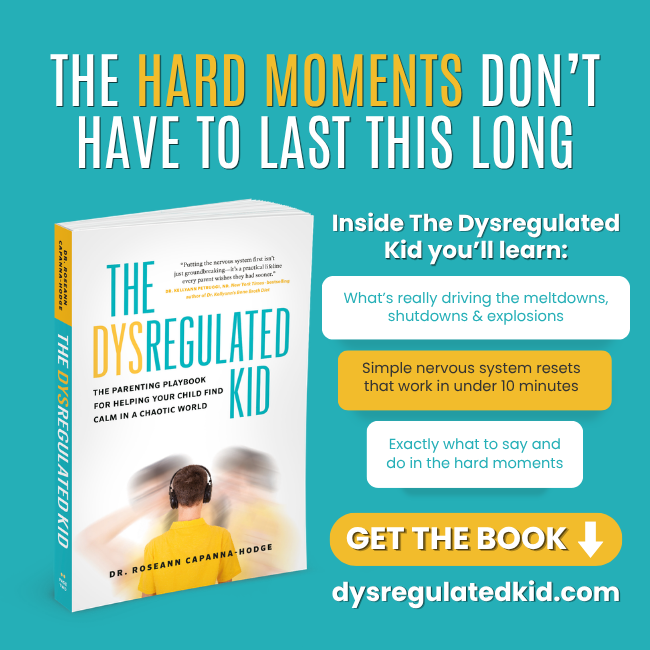
In The Dysregulated Kid®, I help parents look beneath symptoms and behavior to understand what the brain and nervous system are communicating. You’ll learn practical Regulation First Parenting® tools to regulate first, reduce unnecessary escalation, and build the calm, connection, and capacity your child needs for lasting change. Get The Dysregulated Kid® at dysregulatedkid.com.
FAQs
Can perimenopause start before age 40?
Yes. Many women notice changes in their late 30s or early 40s, even if their periods remain regular.
Is irritability a common sign of perimenopause?
Yes. Irritability is one of the most common early symptoms, even before hot flashes.
Can hormones affect my parenting?
Absolutely. Hormonal changes can reduce stress tolerance, increase emotional reactivity, and make everyday parenting feel much harder.
Should I track my symptoms?
Yes. Tracking both your menstrual cycle and symptoms helps identify patterns and provides valuable information for your healthcare provider.
How can I calm my nervous system naturally?
Prioritize sleep, practice daily regulation techniques, nourish your body, and seek support when needed. Small, consistent changes can have a big impact.
Every child's journey is different. That's why cookie-cutter solutions don't work. Take the free Solution Matcher Quiz and get a customized path to support your child's emotional and behavioral needs—no guessing, no fluff. Start today at www.drroseann.com/help.

Find this helpful? Leave us a review!
Your feedback helps more overwhelmed parents find calm, clarity, and the proven tools that make everyday life easier.
Dr. Roseann Capanna-Hodge: Helping Families of Dysregulated Kids Thrive Through Regulation First Parenting®
As the creator of Regulation First Parenting®, she’s helping families of dysregulated kids discover a compassionate, brain-based path forward. Through The Dysregulated Kids™ Podcast (top 2% globally), she offers practical strategies that help parents understand their child’s brain and support lasting change.
Through The Global Institute of Children’s Mental Health and Dr. Roseann, LLC, she’s created resources like the Neurotastic® Brain Formulas and the Regulation First Parenting® framework—meeting families where they are and supporting them through challenges like ADHD, anxiety, OCD, PANS/PANDAS, and behavioral struggles.
Recognized by Forbes as “a thought leader in children’s mental health,” Dr. Roseann is changing how we understand emotional dysregulation in children—one family at a time.