Join the Dysregulation Insider get free calm parenting tips straight to your inbox!
YES, I'M IN!Inside The Dysregulated Kid: The Chapter Every Parent Needs First | Regulation First Parenting® | E443





Estimated reading time: 3 minutes
If you’ve ever wondered, “What am I missing? Why isn’t anything working?” you’re not alone. Parenting a dysregulated child can leave you feeling overwhelmed, judged, and unsure of what to do next.
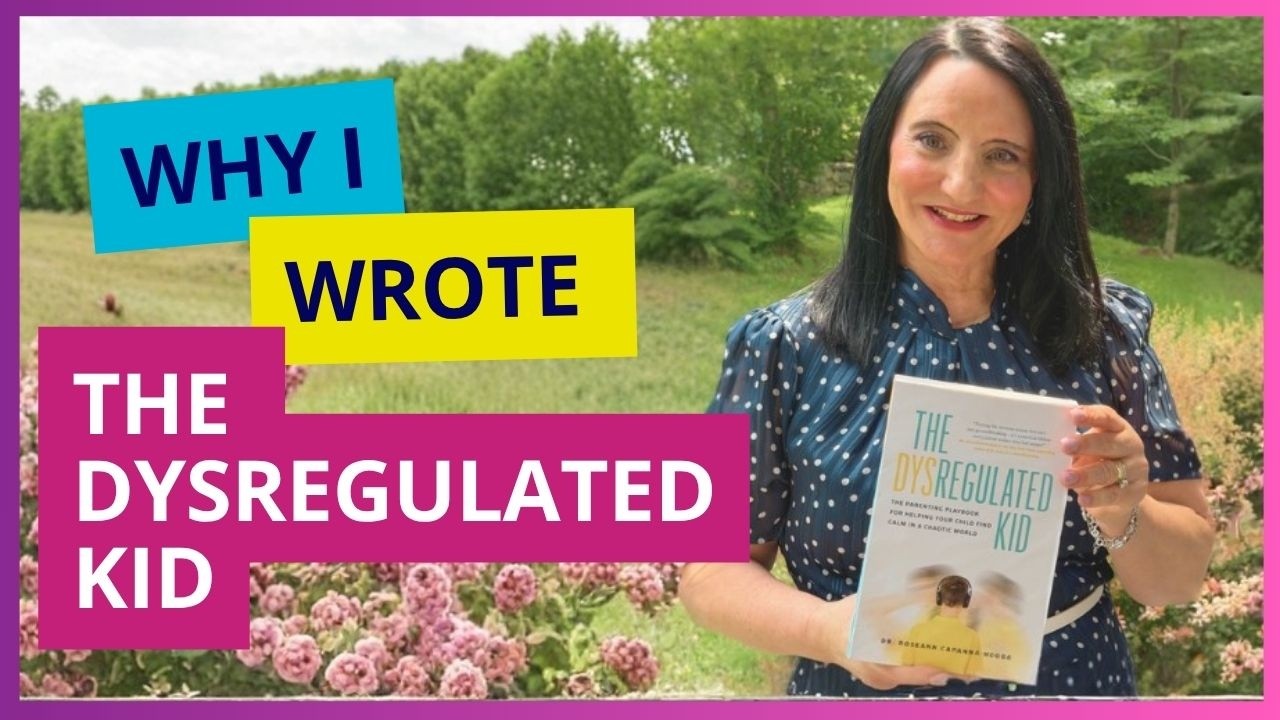
Inside The Dysregulated Kid begins somewhere unexpected: with you—the parent. In this episode, I share why understanding your own experience is the first step toward seeing your child’s behavior differently and finding a path forward.
Why does the first chapter of The Dysregulated Kid matter so much?
The first chapter, “The Bitches at the Bus Stop,” isn’t about finding the perfect parenting strategy or diagnosing your child. It’s about recognizing what happens when you feel like everyone else has parenting figured out except you.
I share my own experience of feeling scared, judged, and alone as a mom—even though I had years of knowledge and training. Parents should understand that you don’t have to have all the answers to be a good parent.
- Stop rushing to find the perfect solution.
- Know that you are not alone.
- Give yourself permission to be an imperfect parent.
- Start with compassion before strategy.
Why do parents blame themselves when their child is dysregulated?
When a child struggles at school, home, family gatherings, soccer, or anywhere else, it’s easy to wonder, “Am I doing enough?” or “Is something wrong with my child?” This constant questioning can leave parents carrying an enormous emotional weight.
The bigger breakthrough happens when you stop blaming yourself, your child, or someone else and become curious about what is happening underneath the behavior.
- Behavior is information.
- Look beneath the behavior for nervous-system clues.
- Don’t personalize every reaction.
- Curiosity can replace blame.
Real-life example: Your child has a huge reaction at a family gathering, and you immediately think, “Why can’t my child just behave?” Instead, pause and consider what the behavior may be telling you about their nervous system.
Yelling less and staying calm isn’t about being perfect—it’s about having the right tools.
Join the Dysregulation Insider VIP list and get your FREE Regulation Rescue Kit, designed to help you handle oppositional behaviors without losing it.
Download it now at www.drroseann.com/newsletter.
How can parents understand behavior differently?
The behaviors you see are clues about the nervous system. This shift can completely change how you experience parenting.
Instead of immediately asking how to stop the behavior, you can begin asking what is happening beneath it. That change in perspective can create more compassion for both you and your child.
“You just have to be willing to really see yourself and your kid with a little more compassion than you did yesterday.” — Dr. Roseann
How does Regulation First Parenting® help parents respond differently?
The goal isn’t to throw away strategies that work. It’s to understand that regulation comes first—before connection and correction.
Parents should regulate first so they can become their best selves and help their children learn regulation, too.
- Regulate before you connect.
- Connect before you correct.
- Focus on the nervous system, not just the behavior.
- Let go of perfection.
Takeaway & What’s Next
The Dysregulated Kid begins with hope, not a diagnosis. Parents should recognize their own “bus stop moment,” understand they aren’t alone, and begin seeing their child through a more compassionate lens.
The book is ultimately about changing the parenting experience—not simply collecting more techniques.
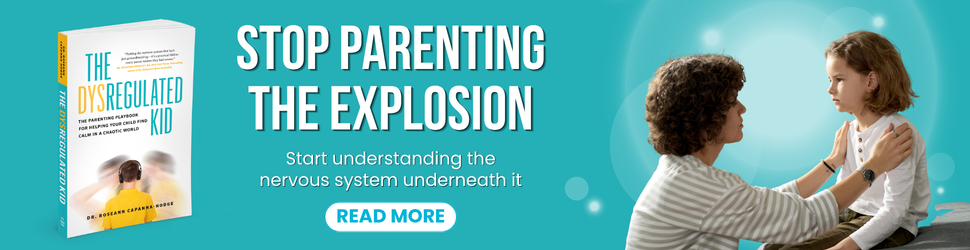
If you need practical support for staying calm during challenging moments, Quick CALM can give you tools to help you regulate and respond with greater confidence.
Regulation is possible, and it starts with you.
FAQs
What is the “bus stop” moment in parenting?
It’s the moment when you feel like everyone else has parenting figured out and you’re struggling on the outside. It can happen at school, soccer, PTA, family gatherings, or anywhere you question yourself.
Why should parents look beyond behavior?
Behavior can provide clues about what is happening in a child’s nervous system. Looking beneath the behavior can help parents move away from blame and toward curiosity and compassion.
Do I need to have all the answers as a parent?
No. You don’t have to be perfect or know exactly where to begin. Start by seeing yourself and your child with a little more compassion.
Is The Dysregulated Kid only for parents?
No. The message can also resonate with adults and educators. The central idea is that regulation is possible wherever you are—and it starts with you.
Not sure where to start?
Take the guesswork out of helping your child.
Use our free Solution Matcher to get a personalized plan based on your child’s unique needs—whether it’s ADHD, anxiety, mood issues, or emotional dysregulation.
In just a few minutes, you'll know exactly what support is right for your family.
Start here: www.drroseann.com/help
Explore more about emotional dysregulation in tweens and developing emotional regulation.

Find this helpful? Leave us a review!
Your feedback helps more overwhelmed parents find calm, clarity, and the proven tools that make everyday life easier.
Dr. Roseann Capanna-Hodge: Helping Families of Dysregulated Kids Thrive Through Regulation First Parenting®
As the creator of Regulation First Parenting®, she’s helping families of dysregulated kids discover a compassionate, brain-based path forward. Through The Dysregulated Kids™ Podcast (top 2% globally), she offers practical strategies that help parents understand their child’s brain and support lasting change.
Through The Global Institute of Children’s Mental Health and Dr. Roseann, LLC, she’s created resources like the Neurotastic® Brain Formulas and the Regulation First Parenting® framework—meeting families where they are and supporting them through challenges like ADHD, anxiety, OCD, PANS/PANDAS, and behavioral struggles.
Recognized by Forbes as “a thought leader in children’s mental health,” Dr. Roseann is changing how we understand emotional dysregulation in children—one family at a time.