
Join the Dysregulation Insider get free calm parenting tips straight to your inbox!
YES, I'M IN!Magnesium Deficiency Symptoms | Regulation First Parenting® | E127





Estimated Reading Time: 6 minutes
If your child is wired, anxious, tired, or struggling to focus, you’re not imagining it and you’re not alone. Magnesium deficiency can quietly contribute to dysregulation, anxiety, ADHD, and sleep difficulties. In this episode, I break down what to look for, why magnesium matters, and how it supports emotional and nervous system regulation.
Why Magnesium Matters for Stress and Emotional Regulation
Magnesium is called the “relaxation mineral” because it helps the brain switch off fight-or-flight. Without enough magnesium, kids stay stuck in hyper-arousal, which makes calm, focus, and emotional control nearly impossible.
Key benefits of magnesium for kids:
- Supports neurotransmitters like GABA that calm the nervous system
- Reduces irritability, restlessness, and emotional outbursts
- Promotes better sleep and body relaxation
- Improves focus, attention, and cognitive flexibility
Parent story: One mom noticed her son looked “hyper” all day. Once his magnesium needs were addressed, his body finally exhaled, and he could settle for homework and play.
Recognizing Magnesium Deficiency Symptoms
Magnesium supports over 300 biochemical processes, including brain, nerve, and muscle function. When levels drop, signs often appear in subtle and surprising ways.
Look for symptoms like:
- Muscle cramps, growing pains, or headaches
- Constipation or digestive issues
- Fatigue or low energy despite adequate sleep
- Trouble focusing, brain fog, or distractibility
- Heightened sensitivity to sound, light, or touch
Behavior is communication. These symptoms may mean your child’s brain doesn’t have what it needs to regulate.

How Magnesium Supports ADHD, Anxiety, and Autism
Magnesium influences brain signaling and emotional regulation. Low magnesium can worsen nervous system reactivity, making ADHD, anxiety, and autism symptoms more pronounced.
Magnesium can help with:
- Impulsivity and inattentiveness in ADHD
- Anxiety and emotional dysregulation
- Sensory overload or heightened reactivity in autism
- Low stress tolerance
Magnesium isn’t a cure, but it is a foundation. Let’s calm the brain first so attention and learning can stick.
Why Kids Are Often Deficient in Magnesium
Magnesium deficiency isn’t random—it’s influenced by diet, lifestyle, and stress.
Common contributors include:
- Chronic stress from school, social challenges, or sensory overload
- Gut issues that impair absorption
- Low magnesium in processed foods
- Soil depletion and heavily processed diets
- Inflammatory or autoimmune conditions
Supporting magnesium is part of supporting nervous system regulation in children.
Choosing the Best Magnesium for Kids
Not all forms of magnesium support the brain equally. Some improve digestion, while others calm the nervous system.
Brain-supportive forms include:
- Magnesium glycinate for calm and sleep
- Magnesium citrate for gentle digestion
- Chelated magnesium for overall absorption
Always follow guidance from a healthcare provider. Too much can upset digestion or create imbalances.
How Magnesium Works With Other Brain-Calming Tools
Magnesium is most effective when paired with other nervous system supports. Consistent use alongside neurofeedback, Calm PEMF®, and co-regulation routines amplifies results.
Combine magnesium with:
- Calm PEMF® for sleep, detox, and nervous system balance
- Co-regulation to model calm and stability
- Sleep hygiene, movement, and structured routines
Magnesium-Friendly Routine for Kids
Small, consistent habits make a big difference. Magnesium works best as part of a predictable routine.
Daily strategies include:
- Pair magnesium-rich foods with protein for absorption
- Take supplements at the same time each day
- Use short mindful breaks or sensory resets alongside supplementation
- Track progress with a simple log: sleep, mood, focus
Parent tip: Even small changes, repeated daily, help the brain stay calm and regulated.
When a child is irritable, restless, struggling with sleep, or having trouble focusing, parents naturally wonder whether something physical could be contributing.
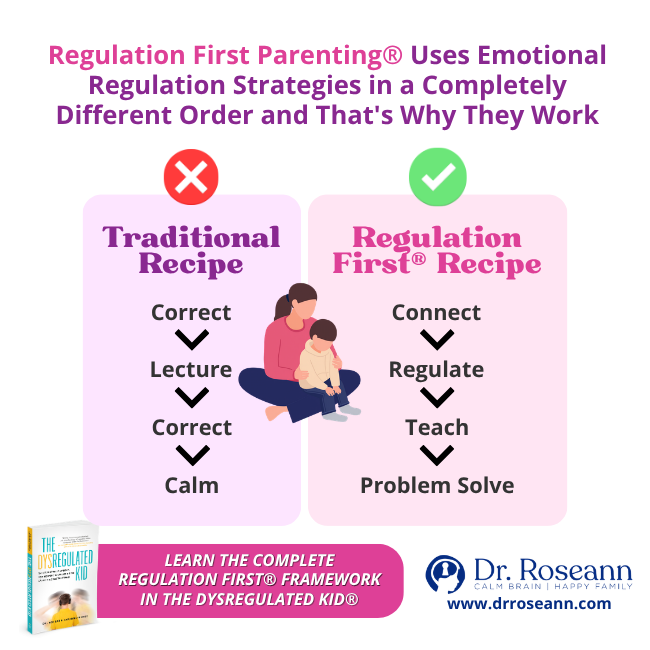
Nutritional concerns deserve appropriate professional evaluation, but behavior is also valuable information about how a child is functioning. In The Dysregulated Kid®, I teach parents to become detectives of those brain-body-nervous-system signals and use Regulation First Parenting® to support regulation while investigating what else their child may need. Get The Dysregulated Kid® at dysregulatedkid.com
FAQs
What are early signs of magnesium deficiency in children?
Irritability, restless sleep, anxiety, muscle cramps, and sensory sensitivity are common signs.
Can magnesium help with sleep and meltdowns?
Yes. Magnesium supports GABA, relaxes the nervous system, and improves bedtime transitions.
Is magnesium safe for kids?
Yes, with proper dosing. Always consult a healthcare provider for individualized guidance.
Why does stress deplete magnesium?
Chronic stress increases consumption and urinary excretion of magnesium, leaving the nervous system overactive.
Feel like you’ve tried everything and still don’t have answers?
The Solution Matcher helps you find the best starting point based on your child’s symptoms, behaviors, and history. It’s fast, free, and based on decades of clinical expertise.
Get your personalized plan now at www.drroseann.com/help
Dr. Roseann Capanna-Hodge is a licensed therapist, certified school psychologist, and leading expert in emotional dysregulation in children. With over 30 years of experience, she helps parents understand the root causes of meltdowns, anxiety, ADHD, and challenging behavior through the lens of nervous system regulation. Dr. Roseann teaches practical, science-backed strategies for co-regulation and how to calm a dysregulated child using her Regulation First Parenting® approach. She is the host of the Dysregulated Kids Podcast and author of The Dysregulated Kid.
Dr. Roseann Capanna-Hodge
Emotional Dysregulation in Children & Nervous System Expert
Regulation First Parenting® | CALMS Protocol™
Host of the Dysregulated Kids Podcast (Top 1% Globally)
Author of The Dysregulated Kid

Find this helpful? Leave us a review!
Your feedback helps more overwhelmed parents find calm, clarity, and the proven tools that make everyday life easier.
Dr. Roseann Capanna-Hodge: Helping Families of Dysregulated Kids Thrive Through Regulation First Parenting®
As the creator of Regulation First Parenting®, she’s helping families of dysregulated kids discover a compassionate, brain-based path forward. Through The Dysregulated Kids™ Podcast (top 2% globally), she offers practical strategies that help parents understand their child’s brain and support lasting change.
Through The Global Institute of Children’s Mental Health and Dr. Roseann, LLC, she’s created resources like the Neurotastic® Brain Formulas and the Regulation First Parenting® framework—meeting families where they are and supporting them through challenges like ADHD, anxiety, OCD, PANS/PANDAS, and behavioral struggles.
Recognized by Forbes as “a thought leader in children’s mental health,” Dr. Roseann is changing how we understand emotional dysregulation in children—one family at a time.