
Join the Dysregulation Insider get free calm parenting tips straight to your inbox!
YES, I'M IN!What My Italian Mother Taught Me About Parenting Without Perfection | Co-Regulation Parenting | E426





Estimated reading time: 4 minutes
Trying to be the perfect parent is exhausting—and it may actually be making parenting harder. If you're constantly second-guessing yourself, feeling guilty after difficult moments, or wondering if you're getting it all wrong, you're not alone.
This episode explores why parenting without perfection creates calmer parents, more resilient kids, and stronger family connections.
Why do I feel like I'm failing as a parent?
Many parents believe they have to respond perfectly every time. But chasing perfection doesn't calm your child—it overwhelms your nervous system.
When you're carrying the pressure to "get it right," you're more likely to become reactive instead of regulated. Your child doesn't need perfection. They need a parent who keeps showing up with love and connection.
Key takeaways:
- Perfectionism increases stress—not connection.
- You don't have to get every moment right.
- Consistency matters more than perfection.
Can apologizing after I lose my temper help my child?
Yes. One hard moment doesn't define your relationship.
What matters most is what happens next. Repairing after conflict teaches children that relationships can survive mistakes, emotions can be repaired, and love remains steady.
Imagine snapping during homework time. Coming back later to say, "I wish I handled that differently," helps your child feel emotionally safe instead of ashamed.
Remember:
- Repair builds trust.
- Connection grows after difficult moments, too.
- Modeling accountability teaches resilience.
Yelling less and staying calm isn't about being perfect—it's about having the right tools.
Join the Dysregulation Insider VIP list and get your FREE Regulation Rescue Kit, designed to help you handle oppositional behaviors without losing it. Download it now at www.drroseann.com/newsletter.
Does perfectionism increase anxiety in kids?
Perfectionism often creates pressure that children absorb.
When home feels like everything has to be done exactly right, kids can become fearful of making mistakes. Instead of building confidence, perfection can fuel anxiety and make it harder for children to problem-solve independently.
Focus on this instead:
- Create emotional safety first.
- Celebrate effort over flawless performance.
- Behavior is communication.
“Perfection doesn't work. What works is love, connection, and safety.” — Dr. Roseann
Need a simple way to calm your own nervous system before responding? Quick CALM gives parents practical strategies to regulate themselves first. It's an easy tool you can start using today.
How can I stop passing my own perfectionism to my child?
Awareness is the first step.
Many adults learned that love depended on achievement or doing everything "right." You don't have to continue that pattern. Your child needs unconditional acceptance, emotional safety, and a parent willing to grow alongside them.
Start here:
- Let go of impossible standards.
- Practice repair instead of self-criticism.
- It's gonna be OK.
Takeaway & What’s Next
Parenting isn't about being flawless—it's about staying connected, even when things get messy. Let's calm the brain first, give ourselves grace, and remember that behavior is communication.
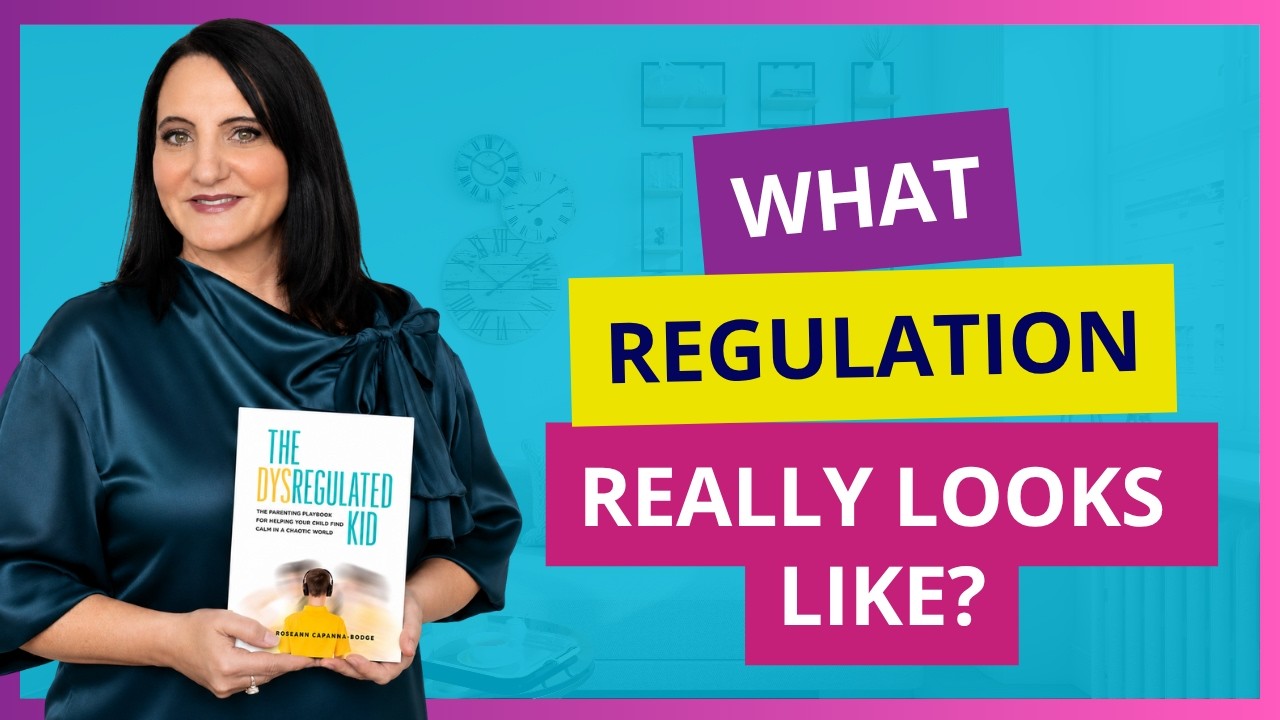
Want expert guidance? The Regulated Child Summit and The Dysregulated Kid are both packed with practical strategies to help you support your child's emotional regulation with confidence.
The goal isn't perfection. It's raising emotionally healthy kids who know they're deeply loved.
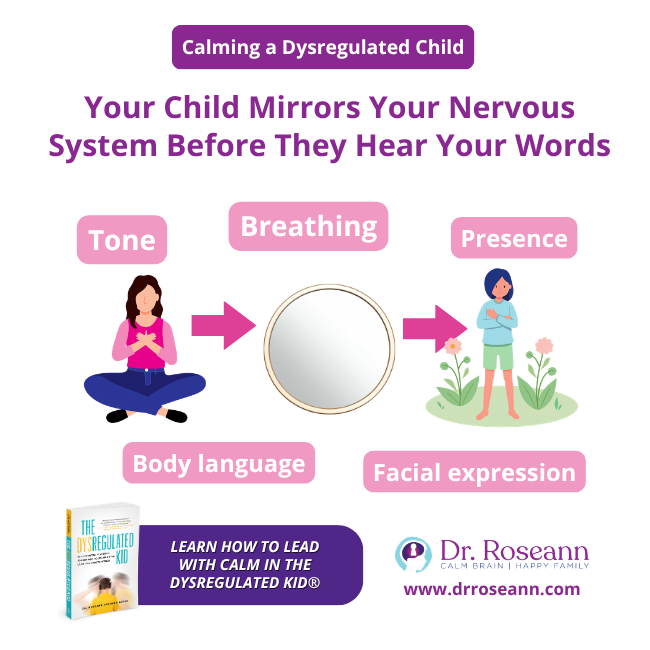
Your child borrows your calm before they can consistently create their own. The Dysregulated Kid® shows you how to use co-regulation intentionally so you can stay grounded when emotions are high and help your child’s nervous system find its way back to calm. Get The Dysregulated Kid® at dysregulatedkid.com.
FAQs
Is it OK if I lose my patience sometimes?
Yes. What matters most is repairing afterward and reconnecting with your child.
Can perfectionism affect my child's mental health?
Yes. Constant pressure can increase anxiety and make children fearful of mistakes.
What's more important than perfect parenting?
Consistent love, emotional safety, and connection build resilience over time.
How do I become a calmer parent?
Start by regulating your own nervous system first. A calmer parent helps create a calmer child.
Does my child need me to be perfect?
No. Your child needs you to be present, connected, and willing to repair when mistakes happen.
Tired of not knowing what's really going on with your child?
The Solution Matcher™ gives you a personalized recommendation based on your child's behavior, not just a label. It's free, takes just a few minutes, and shows you the best next step. Go to www.drroseann.com/help.

Find this helpful? Leave us a review!
Your feedback helps more overwhelmed parents find calm, clarity, and the proven tools that make everyday life easier.
Dr. Roseann Capanna-Hodge: Helping Families of Dysregulated Kids Thrive Through Regulation First Parenting®
As the creator of Regulation First Parenting®, she’s helping families of dysregulated kids discover a compassionate, brain-based path forward. Through The Dysregulated Kids™ Podcast (top 2% globally), she offers practical strategies that help parents understand their child’s brain and support lasting change.
Through The Global Institute of Children’s Mental Health and Dr. Roseann, LLC, she’s created resources like the Neurotastic® Brain Formulas and the Regulation First Parenting® framework—meeting families where they are and supporting them through challenges like ADHD, anxiety, OCD, PANS/PANDAS, and behavioral struggles.
Recognized by Forbes as “a thought leader in children’s mental health,” Dr. Roseann is changing how we understand emotional dysregulation in children—one family at a time.