
Join the Dysregulation Insider get free calm parenting tips straight to your inbox!
YES, I'M IN!Why Does Nothing I Try Actually Work? And What To Do Instead | Regulation First Parenting® | E431





Estimated reading time: 4 minutes
Parenting a dysregulated child can leave you questioning everything. You're trying so hard, yet the meltdowns, arguments, and emotional explosions keep happening. If you've ever thought, "Why does nothing I try actually work?" this is for you.
This episode shares why the missing piece isn't another parenting strategy—it's understanding the nervous system. You'll learn why Regulation First Parenting® changes everything and how calming the brain before correcting behavior creates lasting change.
Why does nothing I try actually work with my child?
When parents feel stuck, it's easy to believe they need a new therapist, a better consequence, or a different parenting method. But often, the strategy isn't the problem—the order is.
It's not bad parenting—it's a dysregulated brain. When a child's nervous system is overwhelmed, they simply can't access the skills they've already learned.
Key takeaways:
- Behavior is communication.
- Skills disappear when the brain shifts into survival mode.
- Regulation must happen before learning can happen.
Example: Your child knows how to use deep breathing in therapy, but after a fight with a sibling, they completely forget it. That's not defiance—it's nervous system overload.
Why does my child forget coping skills during a meltdown?
Many parents wonder why therapy seems successful in the office but falls apart at home.
The answer is simple: an overwhelmed brain can't access its thinking skills. When children enter fight, flight, or freeze, logic and emotional regulation go offline.
- Reward charts don't work if the brain isn't ready to learn.
- Consequences alone won't build regulation.
- Coping skills need to be practiced during calm moments—not only during crises.
“If the nervous system isn't regulated, nothing is going to stick.” — Dr. Roseann
If you're ready to help your child build regulation skills, Quick CALM offers simple, science-backed strategies you can start using today.
How do I help my child regulate instead of reacting?
I want to highlight my signature approach:
Regulate. Connect. Correct.™
Instead of correcting behavior immediately, parents first help calm the nervous system.
This means:
- Regulate: Calm yourself first through co-regulation.
- Connect: Let your child feel safe and understood.
- Correct: Teach and problem-solve once the brain is ready.
You're not excusing behavior—you are creating the conditions for learning.
Yelling less and staying calm isn’t about being perfect—it’s about having the right tools.
Join the Dysregulation Insider VIP list and get your FREE Regulation Rescue Kit, designed to help you handle oppositional behaviors without losing it.
Download it now at www.drroseann.com/newsletter.
Why does staying calm as a parent matter so much?
Your nervous system sets the tone.
Children naturally look to adults for cues about safety. When you pause, breathe, and regulate yourself first, you're helping your child's nervous system settle too.
Remember:
- Your calm is contagious.
- A calmer nervous system leads.
- Small moments of co-regulation create lifelong emotional skills.
This doesn't mean being perfect. It means practicing.
Can my child really learn emotional regulation?
Absolutely. Whether your child struggles with ADHD, anxiety, OCD, emotional dysregulation, or is simply having a hard time, self-regulation is a learned skill.
Remember:
- You're not alone.
- Let's calm the brain first.
- It's gonna be OK.
Every regulated interaction helps build your child's emotional resilience over time.
Takeaway & What’s Next
If you've been asking yourself, "Why does nothing I try actually work?", know this: you're not failing, and neither is your child.
When you shift from correcting behavior to calming the nervous system first, everything begins to change. That's the heart of Regulation First Parenting®—and it offers real hope for lasting progress.
Need more support? Join the Regulated Child Summit to learn from leading experts on emotional regulation and practical parenting tools.
If you feel like you’ve tried everything and your child is still struggling, you may not need another random strategy—you may need a different starting point.
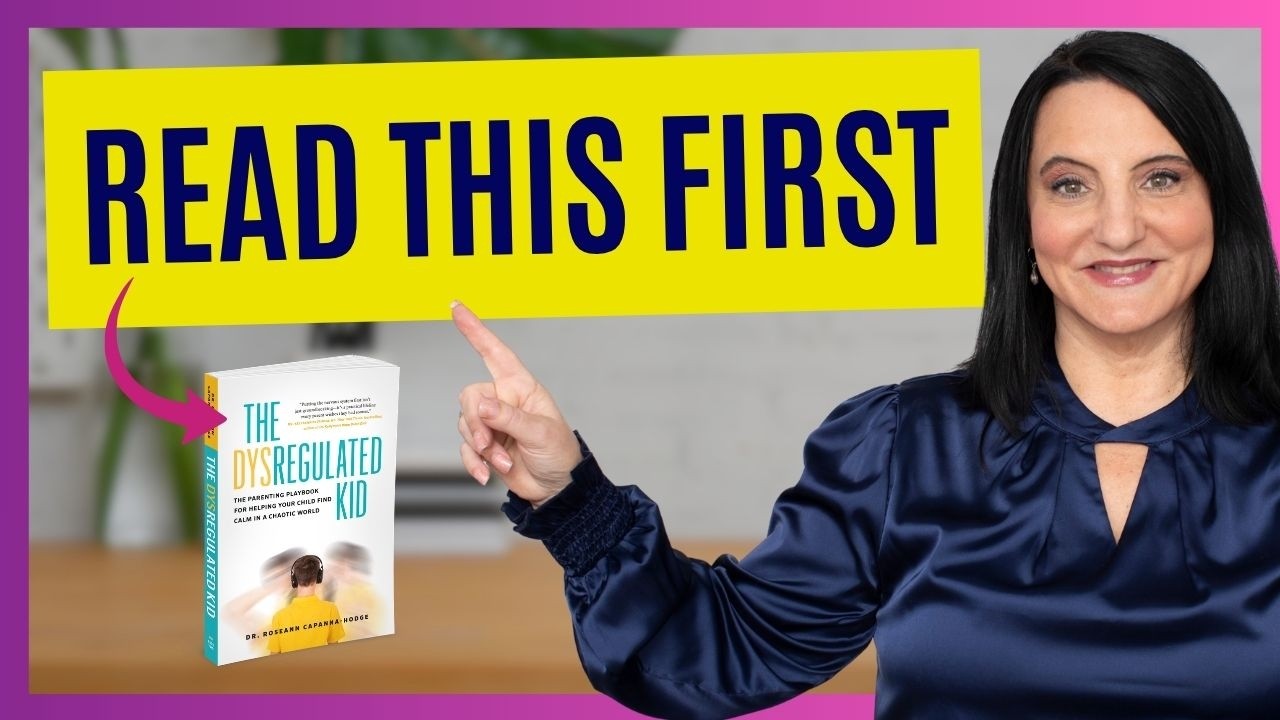
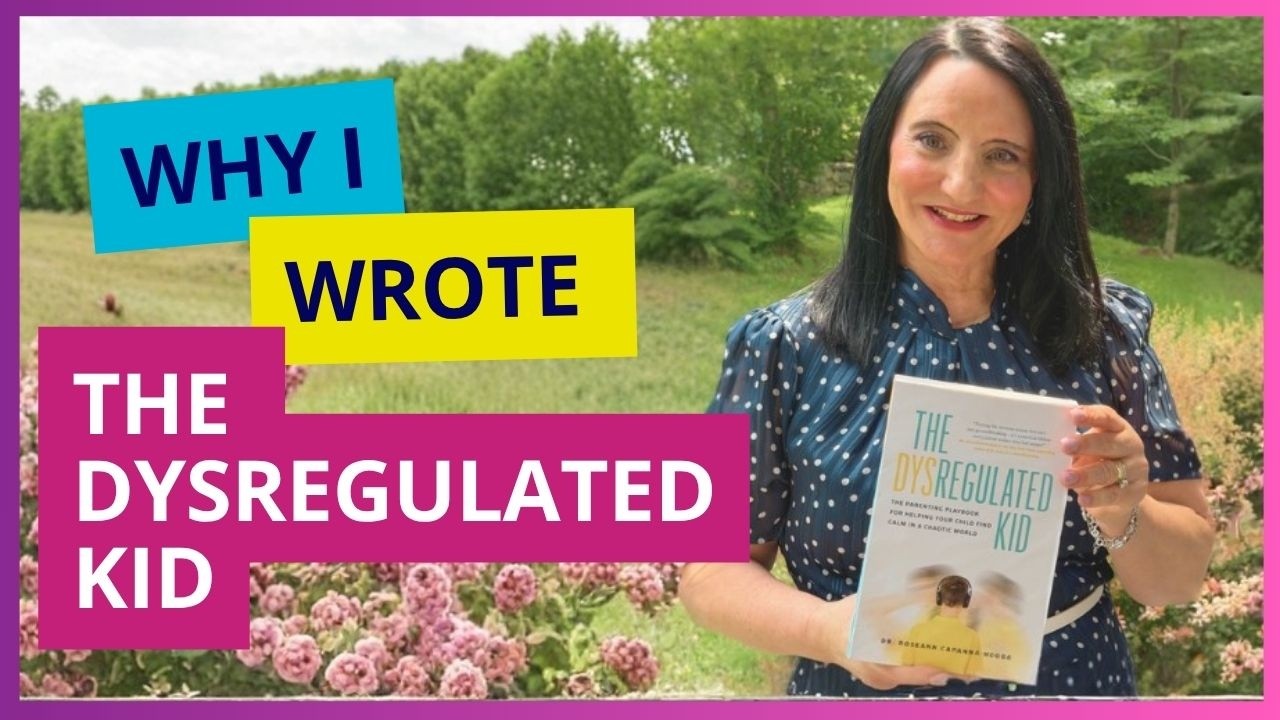
In The Dysregulated Kid®, I help parents look beneath symptoms and behavior to understand what the brain and nervous system are communicating. You’ll learn practical Regulation First Parenting® tools to regulate first, reduce unnecessary escalation, and build the calm, connection, and capacity your child needs for lasting change. Get The Dysregulated Kid® at dysregulatedkid.com.
FAQs
Why do consequences stop working with my child?
Consequences only teach when the brain is regulated. An overwhelmed nervous system can't process learning or problem-solving effectively.
Why does therapy work in sessions but not at home?
Children may learn skills in therapy but struggle to access them during real-life stress because their nervous system becomes dysregulated.
Can emotional regulation be taught?
Yes. Like reading or riding a bike, emotional regulation develops through repeated practice, support, and co-regulation.
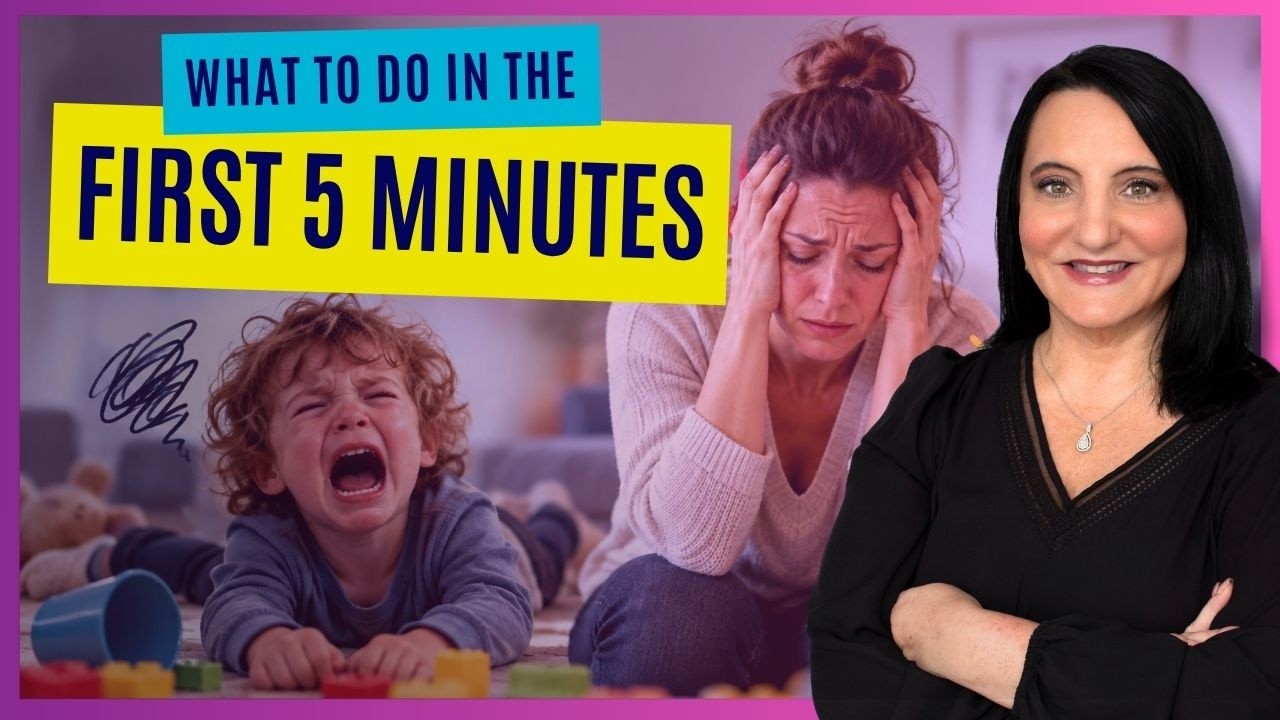
What's the first step when my child melts down?
Pause before correcting. Let's calm the brain first, then reconnect, and finally teach once your child is regulated.
Not sure where to start?
Take the guesswork out of helping your child.
Use our free Solution Matcher to get a personalized plan based on your child's unique needs—whether it's ADHD, anxiety, mood issues, or emotional dysregulation.
In just a few minutes, you'll know exactly what support is right for your family.
Start here: www.drroseann.com/help

Find this helpful? Leave us a review!
Your feedback helps more overwhelmed parents find calm, clarity, and the proven tools that make everyday life easier.
Dr. Roseann Capanna-Hodge: Helping Families of Dysregulated Kids Thrive Through Regulation First Parenting®
As the creator of Regulation First Parenting®, she’s helping families of dysregulated kids discover a compassionate, brain-based path forward. Through The Dysregulated Kids™ Podcast (top 2% globally), she offers practical strategies that help parents understand their child’s brain and support lasting change.
Through The Global Institute of Children’s Mental Health and Dr. Roseann, LLC, she’s created resources like the Neurotastic® Brain Formulas and the Regulation First Parenting® framework—meeting families where they are and supporting them through challenges like ADHD, anxiety, OCD, PANS/PANDAS, and behavioral struggles.
Recognized by Forbes as “a thought leader in children’s mental health,” Dr. Roseann is changing how we understand emotional dysregulation in children—one family at a time.