


If your child’s behavior feels like a rollercoaster lately, you're not imagining it. Emerging research shows that everyday wellness herbs—including turmeric, chamomile, garlic, basil, and cinnamon—can help calm brain inflammation, reduce stress hormones like cortisol, and gently support focus and emotional balance through the power of food-based healing.
I'm Dr. Roseann Capanna-Hodge, and throughout my 30+ years in clinical practice, I've integrated evidence-informed natural supports with neuroscience-based therapies to help children build healthier, more resilient nervous systems.
What You'll Learn:
- Which herbs are commonly used to support overall wellness and resilience.
- How herbal remedies may benefit both physical health and nervous system function.
- Best practices for choosing and using herbs safely for your family.
What are herbs for wellness and why they matter?
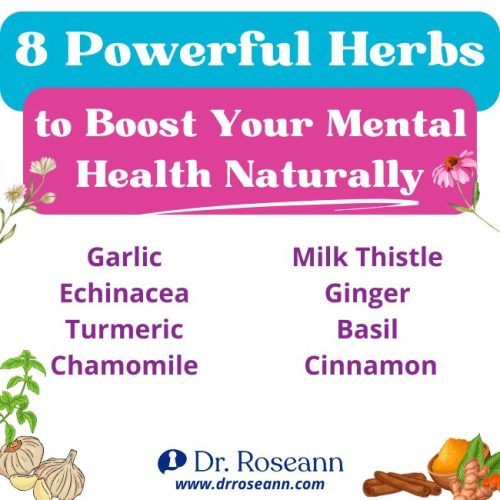
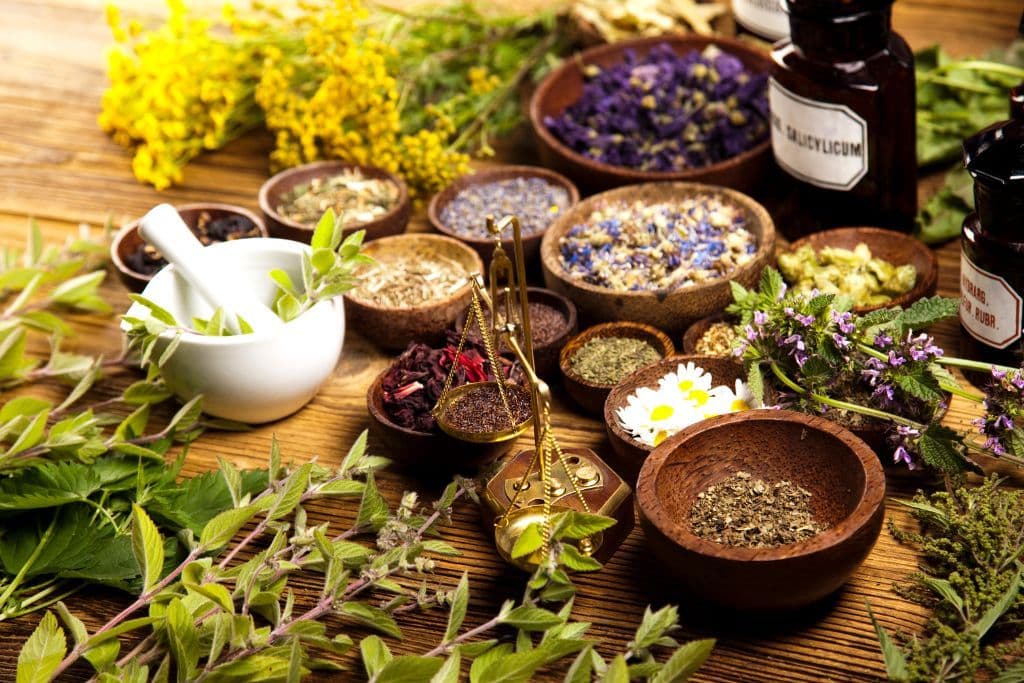
Herbs for wellness are everyday spices and botanicals used not just for flavor but for mental and emotional support. These include:
- Turmeric for inflammation‑related anxiety
- Chamomile for stress relief and sleep
- Garlic, cinnamon, basil for blood sugar, cognitive clarity, antioxidant protection
They matter because chronic inflammation, digestive ups and downs, or immune stress often underlie dysregulated behavior. Herbs can gently support all of these—calming the brain, boosting focus, and lowering irritability.
How can turmeric and chamomile support anxiety and sleep?
Yes—turmeric’s active compound, curcumin, fights inflammation linked to anxiety and low mood, while chamomile’s flavonoids soothe the nervous system
- Golden milk or smoothies with turmeric + black pepper
- Chamomile tea in the evening for rest and relaxation
- Chamomile-infused blends (with lavender or lemon balm)
Maria, mom of a 13‑year‑old with anxiety and meltdowns, started nightly chamomile tea. Within a week, her son slept better and tantrums dropped by half. Takeaway: Gentle routines plus herb support can shift rhythms.
Can garlic, cinnamon, and basil help reduce brain fog in neurodivergent kids?
Yes—these herbs help stabilize blood sugar, reduce oxidative stress, and improve brain blood flow, which supports executive function and mood regulation:
- Garlic eases inflammation and supports circulation
- Cinnamon balances glucose and reduces fatigue
- Basil (including holy basil / tulsi) has adaptogenic and anxiolytic properties
How to use:
- Sprinkle cinnamon in oatmeal or yogurt
- Use fresh basil pesto or chopped basil on meals
- Add garlic (raw or cooked) into soups or dressings
Jenna, parenting a 10‑year‑old with ADHD and brain fog, added cinnamon and fresh basil to lunch meals. She noticed two weeks later that her daughter was less scattered and more steady in mood. Small daily additions can yield steady change.
Are there safe ways to give these herbs to children?
Absolutely—with care, dosage, and professional guidance.
- Start low: e.g. ½ tsp turmeric or cinnamon in food
- Use organic herbs, especially for children
- Introduce one herb at a time
- Always consult your pediatrician, especially if your child is on medication or has a medical condition
Some adaptogenic herbs (like ashwagandha or rhodiola) may interact with thyroid or high blood pressure medications—so medical clearance is important.
How soon might a parent see a difference in behavior or mood?
Timing varies by child—but you might notice:
- Sleep and calm within a few days (e.g. chamomile)
- More focus or sustained mood in 1–3 weeks (cinnamon, garlic, basil)
- Liver‑ and detox‑supporting herbs like milk thistle may take several weeks
Brain Science Spotlight
Recent research from the National Institute of Mental Health found that chronic low-grade inflammation in the brain—measured by elevated cytokines—correlates with emotional dysregulation and executive functioning challenges in children. Dr. Emily Chen, lead author in Neuropsychopharmacology, explains: "Inflammation can impair prefrontal cortex function, making self-regulation much harder." When inflammation disrupts this brain mechanism, children may become impulsive, reactive, or scattered.What this means for your family: Herbs like turmeric and basil, which support anti-inflammatory pathways and antioxidant defenses, help calm brain circuits so children can better regulate emotions and actions.
When should I check in with my doctor before trying herbs?
Check in if:
- Your child has allergies, autoimmune conditions (like PANS/PANDAS), or takes medications
- You're considering adaptogenic supplements (ashwagandha, rhodiola, ginkgo)
- You’re using herbs like milk thistle or echinacea in supplement form
Sandy’s 12-year-old with autism used garlic tablets and basil tea for behavior support—but after starting a new medication, she consulted her MD. The doctor adjusted timing and dosage safely. Coordination with a medical provider keeps it safe.
💡 Dr. Roseann's Therapist Tip
In my clinical practice, I’ve learned that regulation starts with rhythm, not rules. Here’s what I tell parents: build gentle rituals around wellness herbs—like chamomile wind‑down tea or turmeric golden milk after dinner.Try this today: choose one herb ritual and commit to it for 10 days.Why it works: consistent routines cue your child’s brain toward calm integration. Remember: It’s not bad parenting—it’s a dysregulated brain.”
Frequently Asked Questions About Wellness Herbs
Can herbs replace medication, healthy eating, or vitamins?
No. Herbs cannot replace medication, healthy eating, or vitamins. They work best as part of a comprehensive plan that may include medical care, nutrition, therapy, and healthy lifestyle habits.
Is it safe to give turmeric or cinnamon to young children?
Turmeric and cinnamon are generally safe for young children when used in small, food-level amounts. Start with about ¼ to ½ teaspoon mixed into meals, choose high-quality products, and check with your child's healthcare provider before using them regularly.
How can I safely introduce herbs into my child's routine?
Introduce herbs one at a time using age-appropriate doses, and monitor your child for any changes or side effects. If your child takes medication, has a chronic health condition, or uses other supplements, talk with your healthcare provider before starting herbs.
Can herbs cause side effects in children?
Yes. Although herbs are generally well tolerated, some children may experience side effects such as stomach upset or allergic reactions. Stop using the herb and contact your child's healthcare provider if symptoms develop.
How do I know if an herb is helping my child?
You'll know an herb may be helping your child by tracking changes in mood, sleep, focus, behavior, or digestion over 10 to 14 days. A simple symptom journal can help you measure progress.
Which herbs are most beneficial for children's overall health?
Herbs that support children's overall health commonly include elderberry, ginger, chamomile, lemon balm, and echinacea. These herbs may help support immune function, digestion, and emotional well-being.
Can herbs support my child's immune system naturally?
Yes. Herbs can support your child's immune system naturally by promoting healthy immune function, especially when combined with nutritious foods, quality sleep, regular physical activity, and good stress management.
Do children need herbal supplements every day?
Not always. Some children benefit from daily herbal support, while others only need herbs during periods of illness, stress, or seasonal immune challenges. Your child's healthcare provider can help determine the best approach.
How do I choose high-quality herbal supplements for my child?
Choose herbal supplements that are third-party tested, clearly labeled, and manufactured by reputable companies that follow strict quality standards.
Are herbal teas or tinctures better for children?
Whether herbal teas or tinctures are better for children depends on your child's age, preferences, and the specific herb being used. A qualified healthcare provider can help you choose the most appropriate form.
Citations:
Jamshidi N, Cohen MM. The Clinical Efficacy and Safety of Tulsi in Humans: A Systematic Review of the Literature. Evid Based Complement Alternat Med. 2017;2017:9217567. doi: 10.1155/2017/9217567. Epub 2017 Mar 16. PMID: 28400848; PMCID: PMC5376420.Kawatra P, Rajagopalan R. Cinnamon: Mystic powers of a minute ingredient. Pharmacognosy Res. 2015 Jun;7(Suppl 1):S1-6. doi: 10.4103/0974-8490.157990. PMID: 26109781; PMCID: PMC4466762.Dr. Roseann is a mental health expert in Neurodivergence who is frequently in the media:
- Yahoo!Life Anxious and On-Edge? MDs Share the Best Supplements to Tame Stress Naturally
- The Hero Show Natural Solutions for Children's Mental Wellness
- Brentwood Home Optimize Slumber – Enhance Sleep Naturally
Anxiety and dysregulation often co-occur. The Dysregulated Kid includes practical guidance for parents managing both.
Always remember… “Calm Brain, Happy Family™”
Disclaimer: This article is not intended to give health advice and it is recommended to consult with a physician before beginning any new wellness regime. The effectiveness of diagnosis and treatment vary by patient and condition. Dr. Roseann Capanna-Hodge, LLC does not guarantee certain results.
Are you looking for SOLUTIONS for your struggling child or teen?
Dr. Roseann and her team are all about science-backed solutions, so you are in the right place!
Meet the Expert
Licensed Therapist | Certified School Psychologist
Board Certified in Neurofeedback (BCN) | 30+ Years Clinical Experience
Expert in Emotional Dysregulation in Children and Nervous System Regulation
Host, Dysregulated Kids Podcast | Author, The Dysregulated Kid
Dr. Roseann Capanna-Hodge is a licensed therapist, certified school psychologist, and leading expert in emotional dysregulation in children and nervous system regulation. With over 30 years of clinical experience and having analyzed more than 10,000 brain maps, she helps families understand what behavior is really signaling—and how to calm the nervous system first so real change can happen.
She is the creator of Regulation First Parenting® and the CALMS Protocol™, host of the top 1% podcast Dysregulated Kids, and author of The Dysregulated Kid.