




Estimated reading time: 9 minutes
PEMF therapy and Lyme disease are often discussed together because PEMF may help manage some of the lingering symptoms associated with chronic Lyme disease, including fatigue, pain, brain fog, and nervous system dysregulation.
While PEMF (Pulsed Electromagnetic Field) therapy does not cure Lyme disease or eliminate the bacteria that cause it, it may help:
- reduce inflammation
- improve circulation
- support cellular repair
- regulate the nervous system
- ease chronic pain
- Ease fatigue
- brain fog
- alleviate sleep disturbances
I'm Dr. Roseann Capanna-Hodge, and for more than 30 years I've worked with children and adults facing complex neurological and chronic health conditions, including those affected by Lyme disease.
What You'll Learn:
- How PEMF therapy may support individuals living with Lyme disease.
- The potential benefits and current research behind this non-invasive therapy.
- How PEMF can complement a comprehensive Lyme treatment plan.
What Is PEMF Therapy and How Might It Help with Lyme Disease?
PEMF delivers safe, low‑frequency waves that stimulate cellular repair and regulate brain activity. For Lyme disease,where chronic inflammation and nervous system dysregulation are common,PEMF can help restore balance. It doesn’t replace antibiotics but may support recovery by easing symptoms and improving resilience.
Here are the 11 science‑backed benefits of PEMF therapy for Lyme Disease:
Benefit 1: Reducing Inflammation
Inflammation is a hallmark of Lyme. PEMF helps modulate inflammatory responses, which can:
- Ease joint and muscle pain
- Restores mobility (Wang et al., 2025)
- Lessen swelling and stiffness
- Support faster recovery after flares
Parent story: One mom shared that her teen, who used to wake with swollen knees, now walks to school comfortably after consistent PEMF sessions.
Benefit 2: Improving Energy Levels
Lyme‑related fatigue is crushing. By recharging cells with electromagnetic pulses, PEMF:
- Boosts mitochondrial activity (your body’s energy engines)
- Increases oxygen uptake
- Helps kids sustain energy through the school day
Benefit 3: Supporting the Immune System
Children with Lyme often have weakened immune responses. PEMF:
- Stimulates white blood cell activity
- Enhances circulation, delivering nutrients to tissues
- Helps the body respond more effectively to infections
Benefit 4: Enhancing Mood & Mental Clarity
Brain fog and mood swings are common Lyme struggles. PEMF supports:
- Better neurotransmitter balance
- Sharper focus and memory
- Reduced feelings of anxiety or depression

Benefit 5: Improving Joint Mobility
Lyme arthritis causes pain and stiffness. Parents report PEMF:
- Relieves joint pain
- Increases flexibility
- Makes daily movement easier
Benefit 6: Reducing Nerve Pain
Neuropathy is painful and frightening for kids. PEMF may:
- Decrease nerve inflammation
- Soothe tingling or burning sensations
- Support nerve repair over time
Benefit 7: Improving Sleep Quality
Poor sleep worsens every Lyme symptom. PEMF can:
- Calm the nervous system
- Reduce nighttime pain
- Improve overall sleep quality
Parent story: A 12‑year‑old boy who once woke multiple times a night began sleeping through until morning after weeks of PEMF therapy.
Benefit 8: Supporting Detoxification
Lyme treatment often creates die‑off toxins. PEMF may help by:
- Improving circulation and lymphatic flow (Ghanbar et al., 2024)
- Supporting liver and kidney detox pathways
- Reducing the “herx” reaction many kids experience
Benefit 9: Boosting Cognitive Function
PEMF is linked to improved neuroplasticity. For kids, this means:
- Stronger working memory
- Better concentration in class
- Easier recall of learned material
Benefit 10: Reducing Stress & Anxiety
Living with chronic illness is stressful. PEMF helps by:
- Promoting relaxation
- Regulating brainwaves linked to calm
- Lowering cortisol (the stress hormone)
Benefit 11: Improving Overall Well‑Being
The biggest gift of PEMF? Families often describe a noticeable shift in their child’s quality of life:
- More consistent moods
- Less pain and fatigue
- A greater sense of hope and balance
Parents notice their child’s energy, mood, and resilience improve with consistent PEMF. A broad review shows this therapy supports the body across many systems, not just one symptom (Mayer, 2024).
How to Choose and Use a PEMF Device for Lyme Support
With so many devices available, look for:
- Safety: FDA‑cleared or clinically validated
- Ease of use: Simple, child‑friendly settings
- Comfort: Mats or portable pads that feel non‑intimidating
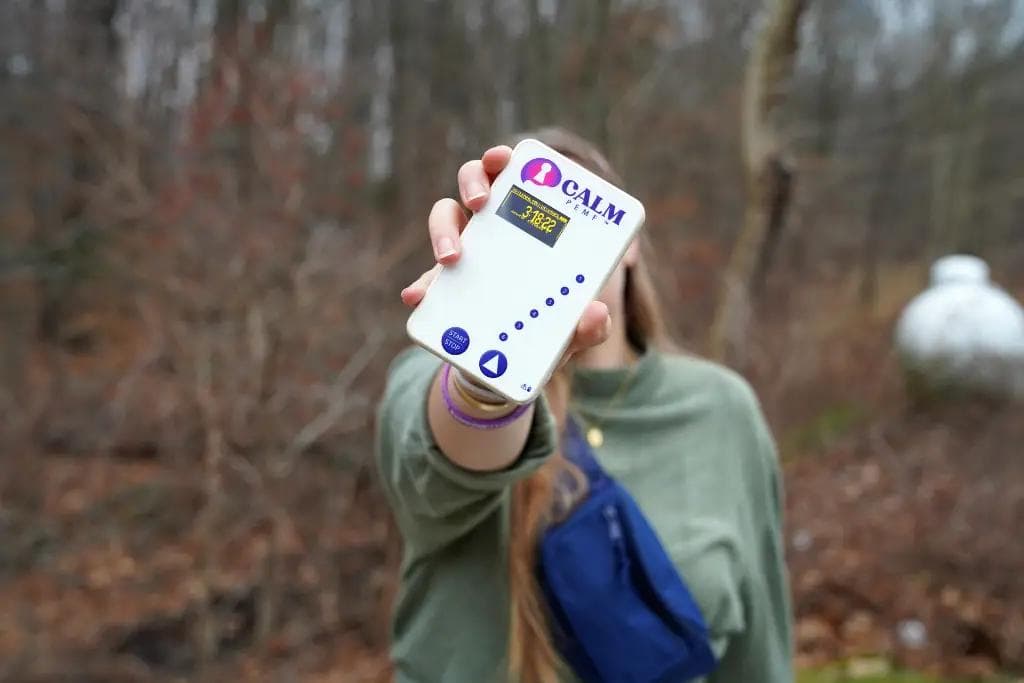
PEMF Therapy is the optimal solution to complex mental wellness issues, treatment resistance, or nervous system issues related to infections and toxins. Our CALM PEMF® Mobile Device for Infectious Disease-Related symptoms aids detoxification and supports issues such as PANS/PANDAS and related infectious diseases like Epstein-Barr, Herpes 6, Lyme Disease, and Tick-borne Illness

Dr. Roseann’s Therapist Quick Tip
“In my 30+ years of practice, I’ve seen how children with Lyme struggle when their nervous system is overwhelmed. I tell parents: Focus on regulation first. Even short PEMF sessions before homework or bedtime can make the brain more receptive to learning and rest.
Try this today: Pair a PEMF session with a calming routine,like reading or breathing together.
Why it works: The nervous system calms, opening the door for healing and learning.
Remember: It’s not misbehavior,it’s dysregulation. Calm the brain, and everything else follows.”
Brain Science Spotlight
Recent studies show PEMF may enhance blood flow and oxygenation in the brain. Dr. Michael Rohan at Harvard Medical School found that PEMF stimulation improved prefrontal cortex activity,key for focus and emotional regulation.
What this means for your family: Your child’s fatigue, brain fog, or emotional ups and downs aren’t willful,they’re signs of dysregulation. PEMF gives the brain a reset button.
PEMF therapy for Lyme disease offers 11 key benefits, from reducing inflammation and nerve pain to improving sleep, focus, and overall well‑being. While not a cure, it’s a powerful support that can make daily life more manageable for families.
FAQs
Is PEMF therapy a cure for Lyme disease?
No. PEMF therapy is not a cure for Lyme disease and does not eliminate the bacteria that cause the infection. Appropriate medical treatment, including antibiotics when indicated, remains essential. PEMF may help support symptom relief, nervous system regulation, and the body's natural healing process.
How often should children with Lyme disease use PEMF therapy?
The recommended frequency of PEMF therapy depends on your child's symptoms, overall health, and the specific device being used. Many protocols begin with short, low-intensity sessions and gradually increase as tolerated under the guidance of a healthcare provider.
Are there side effects of PEMF therapy?
PEMF therapy is generally well tolerated, but some people experience temporary side effects such as mild fatigue, dizziness, tingling, or temporary symptom flare-ups as the body adjusts. If symptoms persist or worsen, consult your healthcare provider.
Can PEMF therapy be combined with other Lyme disease treatments?
Yes. PEMF therapy is commonly used alongside conventional Lyme disease treatment and complementary approaches such as nutrition, healthy sleep, nervous system regulation, and rehabilitation therapies. It should be part of a comprehensive treatment plan—not a replacement for medical care.
Is PEMF therapy a replacement for Lyme disease treatment?
No. PEMF therapy is not a replacement for Lyme disease treatment. Instead, it is best viewed as a complementary therapy that may help support recovery, reduce symptoms, and improve overall well-being while your child receives appropriate medical care.
How do I know if PEMF therapy is helping my child's Lyme disease symptoms?
You may notice that PEMF therapy is helping if your child gradually experiences better sleep, less pain, improved energy, clearer thinking, better emotional regulation, or greater participation in daily activities. Progress is often gradual and should be evaluated alongside your child's healthcare provider.
Citations
Ghoshchi, S., Petroni, M., Piras, A., Marcora, S., and Raffi, M. (2024). Pulsed Electromagnetic Field (PEMF) stimulation as an adjunct to exercise: a brief review. Front. Sports Act. Living, 6. https://doi.org/10.3389/fspor.2024.1471087.
Mayer, Y., Shibli, J., Abu Saada, H., Melo, M., Gabay, E., Barak, S., Ginesin, O. (2024). Pulsed electromagnetic therapy: literature review and current update. Braz Dent J. https://doi.org/10.1590/0103-6440202406109.
Wang, H., Chen, Y-J., Huang, I-C., Lin, C-R., Lin, K-L., and Chen, C-H. (2025). The effectiveness of pulsed electromagnetic field therapy in patients with shoulder impingement syndrome: a systematic review and meta-analysis of randomized controlled trials. PLo S. https://doi.org/10.1371/journal.pone.0323837
Dr. Roseann Capanna-Hodge is a licensed mental health expert that is frequently cited in the media:
- Today How to keep your kids physically and mentally afloated
- Little Sleepies How to Practice Mindfulness with Your Kids
- Well + Good The Best Lego Sets for Adults To Unleash Creativity and Practice Mindfulness
©Roseann Capanna-Hodge
Always remember… “Calm Brain, Happy Family™”
Disclaimer: This article is not intended to give health advice and it is recommended to consult with a physician before beginning any new wellness regime. The effectiveness of diagnosis and treatment vary by patient and condition. Dr. Roseann Capanna-Hodge, LLC does not guarantee certain results.
Are you looking for SOLUTIONS for your struggling child or teen?
Dr. Roseann and her team are all about science-backed solutions, so you are in the right place!

Meet the Expert
Licensed Therapist | Certified School Psychologist
Board Certified in Neurofeedback (BCN) | 30+ Years Clinical Experience
Expert in Emotional Dysregulation in Children and Nervous System Regulation
Host, Dysregulated Kids Podcast | Author, The Dysregulated Kid
Dr. Roseann Capanna-Hodge is a licensed therapist, certified school psychologist, and leading expert in emotional dysregulation in children and nervous system regulation. With over 30 years of clinical experience and having analyzed more than 10,000 brain maps, she helps families understand what behavior is really signaling—and how to calm the nervous system first so real change can happen.
She is the creator of Regulation First Parenting® and the CALMS Protocol™, host of the top 1% podcast Dysregulated Kids, and author of The Dysregulated Kid.