




Estimated reading time: 7 minutes
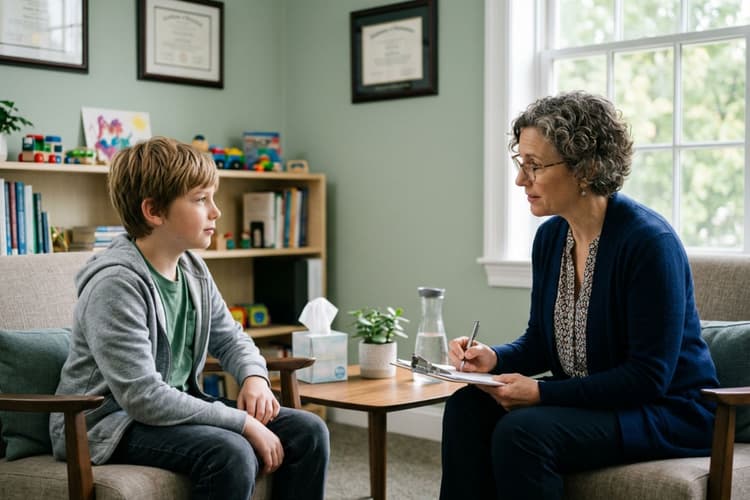
Intensive psychotherapy is a short-term, highly focused form of therapy that provides multiple sessions each week—or longer sessions over a condensed period—to help children and teens make faster progress than traditional weekly therapy.
How it works:
By increasing the frequency and intensity of treatment, intensive psychotherapy gives children more opportunities to practice new coping skills, improve emotional regulation, and work through anxiety, OCD, behavioral challenges, or trauma before old patterns become deeply ingrained again.
When a child’s emotional world feels like a rollercoaster—constant meltdowns, anxiety, or mood swings—it’s not just “behavior.” It’s a dysregulated nervous system crying for balance. Parents often spend years in weekly therapy sessions hoping for change, only to feel stuck.
This is where psychotherapy can be helpful.
I'm Dr. Roseann Capanna-Hodge, and for more than 30 years I've worked with children and families facing complex emotional, behavioral, and neurological challenges. Throughout my clinical career, I've found that intensive, evidence-based interventions can accelerate progress for many children by providing consistent support while building the skills they need to thrive long after treatment ends.
What You'll Learn:
- What intensive psychotherapy is and how it differs from traditional weekly therapy.
- Which children may benefit most from a short-term intensive treatment model.
- The advantages and considerations when choosing this approach.
What Is Intensive Psychotherapy?
Intensive psychotherapy is a short-term and focused approach to treatment. It condenses months of therapy into just days or weeks.
Instead of one weekly session, children take part in daily or longer sessions that combine brain-based tools, emotional work, and skill-building.
This steady rhythm keeps the nervous system engaged in healing. It prevents the “reset” that often happens between widely spaced sessions, so progress happens faster and lasts longer.
One mom shared that her 10-year-old son made more progress in two weeks of intensive therapy than in a full year of traditional counseling. “For the first time,” she said, “he felt in control of his thoughts instead of trapped by them.”
Why Do Some Kids Need Short-Term, Intensive Support?
Children with dysregulated nervous systems—often seen in ADHD, anxiety, OCD, ASD, and mood disorders—can get stuck in “survival mode.” When the brain is constantly on alert, it struggles to process therapy or retain coping skills.
Intensive psychotherapy helps break this cycle by providing consistent, repeated regulation experiences over a condensed time frame. That means the brain gets the steady input it needs to shift from reactivity to regulation.
How Is Intensive Psychotherapy Different from Traditional Weekly Therapy?
| Aspect | Traditional Weekly Therapy | Intensive Psychotherapy |
|---|---|---|
| Frequency | 1 session per week | Daily or multi-hour sessions |
| Duration | Ongoing (months/years) | Short-term (days/weeks) |
| Goal | Gradual symptom reduction | Rapid stabilization and skill integration |
| Focus | Talk-based processing | Brain-body regulation + therapeutic immersion |
| Best For | Mild/moderate concerns | Chronic dysregulation, trauma, or stalled progress |
Key Takeaway: Intensive therapy isn’t “faster” just for the sake of time—it’s deeper because it keeps the nervous system in a consistent state of healing.
Brain Science Spotlight: How the Nervous System Heals Faster with Intensive Support
A Harvard study found that regular emotional regulation practice strengthens connections between the brain’s thinking and emotional centers. This helps children bounce back from stress more easily.
Dr. Sarah Fine, lead researcher, explains:
“When therapeutic input is delivered consistently, the brain adapts faster—similar to physical therapy for emotional healing.”
What this means for your family: Repetition heals regulation. Intensive therapy provides the repeated, calm experiences the brain needs to rewire patterns of anxiety, impulsivity, or fear.

What Happens During an Intensive Therapy Program?
While each program varies, most include a combination of:
- Daily psychotherapy sessions (1–3 hours)
- Brain-based regulation tools (neurofeedback, breath training, PEMF)
- Parental coaching for co-regulation strategies
- At-home support to maintain gains after the program
Example:
When Luis, age 12, entered intensive therapy for OCD, his intrusive thoughts consumed his day. Within two weeks of immersive therapy plus daily neurofeedback, his intrusive thoughts decreased by 60%, and he began sleeping through the night again. His mom shared, “We finally got our evenings back.”
Most intensive programs, including Dr. Roseann's program, actively involve parents. Families learn co-regulation strategies—how to calm their own nervous system first so their child can follow suit (O’Neill et al., 2024).
Dr. Roseann’s Therapist Tip
In my 30+ years of clinical practice, I’ve learned that healing accelerates when we calm the brain first.
Try this today: Create a daily 10-minute calm ritual—soft music, deep breathing, and no screens.
Why it works: Consistent calm time helps the nervous system transition out of fight-or-flight, making your child’s brain more receptive to emotional learning.
Remember: Calm the brain first—everything follows.
Is Intensive Psychotherapy Right for My Child?
It may be if your child:
- Has been in therapy for months or years without steady progress
- Experiences daily dysregulation, anxiety, or emotional outbursts
- Struggles with transitions or “holding it together” for school
- Needs faster stabilization after trauma or chronic stress
If you’ve tried everything and still feel stuck, don’t lose hope. An intensive reset may be just what your child’s brain needs to find calm and focus again.
Read about: Therapy for Kids: Complete Guide to Child Mental Health Treatment
The Calm After the Storm: Finding Hope Through Intensive Psychotherapy
Short-term, intensive psychotherapy gives families hope when they feel stuck and worn out. Focused, daily sessions help the brain settle, learn, and heal faster. Each day builds on the last, creating steady progress that parents can finally see.
Weekly therapy often moves too slowly for dysregulated kids who need more support. Intensive care gives the brain the repetition it needs to find balance and peace.
If your child has been struggling for too long, the our program can help. It blends science and heart to gently reset the brain—so your child can feel calm, focused, and happy again.
Calm the brain first—everything follows.
FAQs
How long does an intensive psychotherapy program last?
Most intensive psychotherapy programs last between 5 and 14 days, with children participating in one to three hours of therapy each day. Many programs also include follow-up sessions to help maintain progress and reinforce new skills.
Is intensive psychotherapy safe for kids?
Yes, intensive psychotherapy is safe for kids when it is provided by trained mental health professionals. The structured, immersive format allows for close monitoring, individualized care, and frequent adjustments based on your child's needs.
Can intensive psychotherapy replace medication?
Sometimes. Intensive psychotherapy may reduce the need for medication for some children by improving emotional regulation and coping skills, but any medication changes should always be made under the guidance of a healthcare provider.
What conditions respond best to intensive psychotherapy?
Intensive psychotherapy is especially effective for children with anxiety, OCD, trauma, emotional dysregulation, mood disorders, and certain behavioral challenges because frequent sessions help reinforce new skills and reduce avoidance.
How can parents support progress after intensive psychotherapy?
Parents can support progress after intensive psychotherapy by maintaining consistent routines, encouraging healthy sleep and nutrition, practicing co-regulation strategies, and reinforcing the skills their child learned during treatment.
How is short-term intensive psychotherapy different from weekly therapy?
Short-term intensive psychotherapy differs from weekly therapy by providing multiple therapy sessions over a short period instead of one session each week. This concentrated approach helps children build skills faster, maintain momentum, and make meaningful progress in less time.
How quickly can children improve with intensive psychotherapy?
Many children begin to improve within days or weeks of starting intensive psychotherapy, although the pace of progress depends on their individual needs, diagnosis, and level of family support.
Is intensive psychotherapy too overwhelming for children?
No, intensive psychotherapy is designed to meet children where they are. Treatment is tailored to each child's developmental level and emotional capacity, providing structured support without pushing them beyond what they can manage.
How do I know if intensive psychotherapy is right for my child?
Intensive psychotherapy may be right for your child if they need more support than weekly therapy provides, have not made meaningful progress with traditional treatment, or are experiencing significant anxiety, OCD, emotional dysregulation, or other challenges that benefit from concentrated care. A qualified mental health professional can help determine the best fit.
Terminology
Intensive Psychotherapy - A short-term, focused therapy with frequent sessions that helps the brain practice calm and regulation.
Cognitive Behavioral Therapy (CBT) - A therapy that teaches kids to notice unhelpful thoughts and replace them with balanced ones.
Nervous System Regulation - Helping the brain and body return to calm so kids can think, focus, and manage emotions.
Amygdala and Prefrontal Cortex - The brain’s alarm (amygdala) and thinking center (prefrontal cortex) work together for better control and safety.
Co-Regulation - When a calm adult helps a child settle emotionally—the foundation for self-regulation.
Citations
Selles, R. R., Naqqash, Z., Best, J. R., Franco-Yamin, D., Qiu, S. T., Ferreira, J. S., Deng, X., Hannesdottir, D. K., Oberth, C., Belschner, L., Negreiros, J., Farrell, L. J., & Stewart, S. E. (2021). Effects of treatment setting on outcomes of flexibly-dosed intensive cognitive behavioral therapy for pediatric OCD: A randomized controlled pilot trial. Frontiers in Psychiatry, 12, 669494. https://doi.org/10.3389/fpsyt.2021.669494
Bus, M., Huyser, C., Utens, E., Schouten, A., Mantione, M., & van den Hout, M. (2021). Brief intensive cognitive behavioral therapy for children and adolescents with OCD: Two international pilot studies. Journal of Obsessive-Compulsive and Related Disorders, 29, 100645. https://doi.org/10.1016/j.jocrd.2021.100645
Sun, S., Yu, H., Yu, R., & Wang, S. (2023). Functional connectivity between the amygdala and prefrontal cortex underlies processing of emotion ambiguity. Translational Psychiatry, 13, 203. https://doi.org/10.1038/s41398-023-02625-w
©Roseann Capanna-Hodge
Children with ADHD often face unique regulation challenges. The Dysregulated Kid dedicates specific guidance to supporting neurodivergent brains.
Always remember… “Calm Brain, Happy Family™”
Disclaimer: This article is not intended to give health advice and it is recommended to consult with a physician before beginning any new wellness regime. The effectiveness of diagnosis and treatment vary by patient and condition. Dr. Roseann Capanna-Hodge, LLC does not guarantee certain results.
Are you looking for SOLUTIONS for your struggling child or teen?
Dr. Roseann and her team are all about science-backed solutions, so you are in the right place!

Meet the Expert
Licensed Therapist | Certified School Psychologist
Board Certified in Neurofeedback (BCN) | 30+ Years Clinical Experience
Expert in Emotional Dysregulation in Children and Nervous System Regulation
Host, Dysregulated Kids Podcast | Author, The Dysregulated Kid
Dr. Roseann Capanna-Hodge is a licensed therapist, certified school psychologist, and leading expert in emotional dysregulation in children and nervous system regulation. With over 30 years of clinical experience and having analyzed more than 10,000 brain maps, she helps families understand what behavior is really signaling—and how to calm the nervous system first so real change can happen.
She is the creator of Regulation First Parenting® and the CALMS Protocol™, host of the top 1% podcast Dysregulated Kids, and author of The Dysregulated Kid.