



Estimated reading time: 12 minutes
Overemotional child symptoms — intense meltdowns, explosive crying, big mood swings, shutting down completely — are your child's brain signaling that it is overwhelmed and cannot self-regulate in that moment.
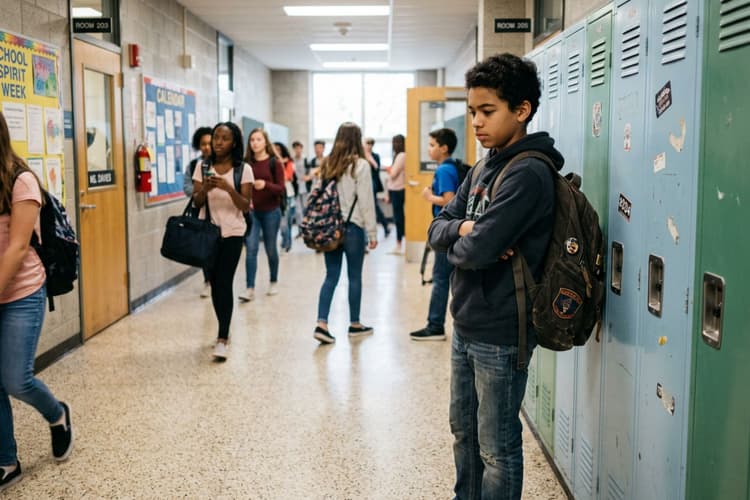
If your child goes from completely fine to completely falling apart over something that seems small — a wrong-colored cup, a changed plan, a lost game — you are not imagining how hard this is. And it is not because you are a bad parent.
What you are watching is a dysregulated nervous system, not a behavioral choice.
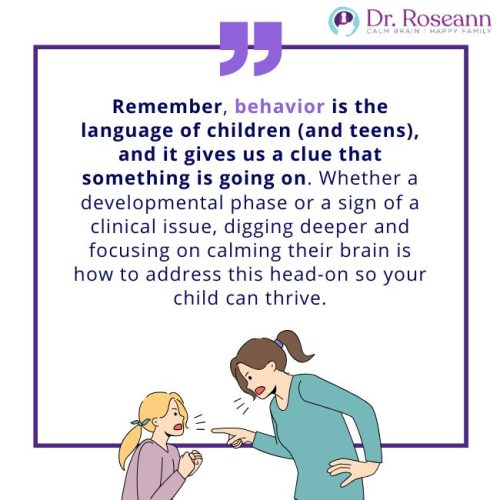
After more than two decades working with thousands of children and families, I want you to hear this clearly: this is not about willpower, and it is not about discipline. It is about a brain that needs support calming itself first — before any skill-building, correction, or strategy can take hold.
That is what this guide is about.
What You Will Learn in This Guide
- The specific signs of an overemotional child
- What overemotional child symptoms look like at every age
- The root causes behind overemotional behavior
- The Regulation First® approach — my neuroscience-informed framework that explains why calming the nervous system must happen before behavior correction
- Exactly what to do, both in the moment and over time
Is My Child Overly Emotional — Or Is Something Else Going On?
When I first met Lydia, she was 12 years old and had already been given several diagnoses. Every morning in her house began the same way: something small would go wrong — the toast was the wrong color, her socks felt scratchy, her backpack zipper stuck — and within seconds the family was in crisis mode. Lydia's parents were exhausted, ashamed, and convinced they were failing.
They were not failing. Lydia's nervous system had never learned to regulate itself, and no amount of consistent parenting, clear consequences, or reward charts was going to teach it to — because those tools require a regulated brain to work.
I see this pattern constantly. A child who feels everything too intensely. Who cannot stop crying even when they want to. Who reacts to ordinary friction like it is catastrophic. Who seems to have no middle setting between calm and chaos.
This is not a personality flaw. It is a nervous system pattern — and nervous system patterns can be changed.
When emotional responses like these become frequent, intense, and resistant to normal parenting strategies, it is a clear signal that the brain needs targeted support, not more discipline.
13 Signs of an Overemotional Child: What You Are Seeing and What It Means
Not every emotionally intense child looks the same. Some explode outward; others collapse inward. Some are rigid and reactive; others are sensitive and empathic to the point of exhaustion.
Below, I have organized the most common overemotional child symptoms into two categories so you can recognize the full picture.
Emotional and Behavioral Symptoms
What you see vs. what is happening in the nervous system:
What It Looks Like | What Is Actually Happening |
|---|---|
Explosive meltdowns over small triggers | Amygdala hijack — the stress response fires before the thinking brain can engage |
Taking everything personally | Hypervigilance to social threat; low threat threshold in the nervous system |
Extreme sensitivity to criticism | Rejection-sensitive dysphoria; cortisol spikes with perceived rejection signals |
Defiance and oppositional behavior | Fight-mode stress response; nervous system in survival state, not learning state |
Mood swings and persistent sadness | Chronic nervous system dysregulation contributing to mood instability |
Excessive worry and anticipatory anxiety | Persistently elevated sympathetic nervous system activation; stuck in fight-or-flight |
Deep empathy and emotional absorption | Highly sensitive nervous system processing; feels others' emotions as physical sensation |
Rich inner world; introspective and creative | Depth of processing that is a genuine strength when the nervous system is regulated |
Physical and Sensory Symptoms
9. Muscle tension, headaches, and stomach discomfort. Chronic stress often shows up physically through headaches, stomachaches, body tension, and sleep problems.
10. Sensory sensitivities to light, sound, and smell. Bright lights, loud noises, strong smells, or certain textures can quickly overwhelm a highly sensitive child’s nervous system (Sperati et al., 2024).
11. Fear of social situations and crowds. Busy or unpredictable social settings can overwhelm emotionally sensitive children and increase anxiety or avoidance.
12. Avoidance of violent or emotionally intense media. Intense movies, books, or sounds can feel emotionally and physically overwhelming for sensitive children.
13. Requiring a quiet, calm environment to function. Calm routines, quiet spaces, and predictable environments help regulate an easily overwhelmed nervous system.
Read more: Understanding Emotional Dysregulation in Kids
What Overemotional Child Symptoms Look Like at Every Age
Overemotional behavior changes with age, which is why recognizing age-specific signs matters. A dysregulated toddler may look very different from a dysregulated teen.
Overemotional Toddler Symptoms (Ages 2–5)
Mild tantrums are normal at this age, but more intense and frequent reactions may signal nervous system dysregulation.
- Long, hard-to-soothe tantrums
- Sensory-triggered meltdowns
- Extreme rigidity around routines
- Intense separation distress
- Aggression that escalates quickly
- Difficulty transitioning between activities
Overemotional School-Age Child Symptoms (Ages 6–11)
School increases emotional demands, making dysregulation more noticeable.
- Explosive reactions to frustration or feedback
- Frequent crying spells
- Intense peer conflict sensitivity
- School or social avoidance
- Oppositional behavior rooted in overwhelm
- Headaches or stomachaches before school
- Rigid, black-and-white thinking
Overemotional Teen Symptoms (Ages 12+)
Teen years can intensify emotional sensitivity as the brain undergoes major changes.
- Extreme reactions to criticism or rejection
- Emotional shutdown or withdrawal
- Rejection-sensitive dysphoria (RSD)
- Difficulty recovering from emotional stress
- Anxiety, low mood, or numbness
- Using screens or sleep to avoid emotions
- Explosive conflicts that escalate quickly
Some children improve with maturity, but chronic dysregulation rarely disappears on its own. Without support, children often grow into more complex versions of the same struggles.
What Causes a Child to Be Overly Emotional?
When a child struggles to regulate emotions, it is almost always a sign that their nervous system is not getting the support it needs to stay calm and organized. Here are the most common drivers.
- Brain Development and the Amygdala-Prefrontal Disconnect
The amygdala develops before the prefrontal cortex, so emotional reactions often happen faster than a child can regulate them (Blader et al., 2025). In dysregulated children, stress responses activate quickly and calm takes longer to return. - A Nervous System Running in Chronic Stress Mode
Some children live in a constant low-level fight, flight, or freeze state with a narrow window of tolerance. Small stressors can quickly push them into overwhelm because their “stress cup” is already full. - Lack of Emotional Regulation Skills
Emotional regulation is learned, not automatic. Without skills like self-soothing or naming emotions, children often default to emotional outbursts or shutdowns (Gross & Thompson, 2007). - Anxiety and Heightened Sensitivity
Some children naturally process emotions and stimuli more deeply. When sensitivity combines with anxiety or chronic stress, emotional reactions become much more intense (Beidel et al., 2007). - Environmental Stressors
Academic pressure, family conflict, social struggles, busy schedules, or chaotic environments can keep a child’s nervous system in a constant state of stress. - Temperament
Some children are simply wired to feel emotions more intensely. Understanding a child’s natural sensitivity helps parents respond with more effective support. - Parental Nervous System Modeling
Children learn regulation by watching adults. When parents model calm regulation under stress, it directly supports a child’s nervous system and emotional development. - Sleep Deprivation and Screen Time
Poor sleep and excessive screen time are major contributors to dysregulation. Sleep deprivation weakens emotional control, while overstimulating screens keep the nervous system activated and unable to fully recover (Wang et al., 2024).
Can Nutrient Deficiencies Make Overemotional Symptoms Worse?
Yes — nutrient deficiencies are one of the most overlooked contributors to emotional dysregulation in children.
Nutrients like magnesium, omega-3s, vitamin D, B vitamins, and iron play essential roles in mood regulation, stress resilience, and nervous system function. When levels are low, children may become more reactive, anxious, impulsive, or emotionally overwhelmed.
- Magnesium deficiency: Magnesium supports GABA, stress regulation, and sleep. Low levels are linked to irritability, anxiety, restlessness, and emotional reactivity in children (Boyle et al., 2017).
- Omega-3 deficiency (especially DHA): Omega-3s support brain communication, impulse control, and mood stability. Low levels may contribute to mood swings and frustration intolerance (Thakur et al., 2023).
- Vitamin D deficiency: Vitamin D supports serotonin production and nervous system health. Deficiency is associated with mood instability, fatigue, and stress sensitivity.
- B-vitamin deficiencies (B6, folate, B12): These vitamins help produce mood-regulating neurotransmitters like serotonin and dopamine. Low levels may increase anxiety and emotional volatility.
- Iron deficiency: Iron supports dopamine production, focus, and energy. Low iron is linked to irritability, overwhelm, and concentration difficulties.
If you suspect a deficiency may be contributing to your child’s emotional struggles, speak with your pediatrician about appropriate testing before starting supplements.
Is My Child Highly Sensitive, Emotionally Dysregulated, or Both?
These two patterns overlap significantly, and parents often struggle to tell them apart. Here is how I distinguish them clinically:
Highly Sensitive Child (HSC) | |
|---|---|
Nervous system is wired for deep processing and heightened sensitivity | Nervous system has moved outside its window of tolerance |
Notices, feels, and processes experiences more intensely | Becomes stuck in a stress response state |
Temperament trait, not a disorder | Can occur in any child, with or without sensitivity |
Can stay regulated with the right support and environment | Struggles to access the thinking and reasoning brain during stress |
Needs calming, predictable, nervous-system-friendly strategies | Needs regulation and nervous system support to return to calm |
The key question is not "which one?" but "is my child regulated right now?" Many overemotional children are highly sensitive and dysregulated. The sensitivity is the baseline; the dysregulation is what needs targeted support.
The Regulation First® Approach: Why You Have to Calm the Brain Before Anything Else Will Work
After working with thousands of families over two decades, the single most important shift I help parents make is this: stop trying to correct behavior in a dysregulated brain.
I know how counterintuitive that sounds. Every instinct tells you to address the behavior in the moment — consequences, firm limits, expectations. And those things matter. But they require a brain that can receive, process, and act on them. A dysregulated brain cannot do that.
Regulation First Parenting® is the neuroscience-based framework I developed to address this reality. It prioritizes nervous system stabilization before connection, correction, or skill-building — not because boundaries do not matter, but because boundaries only land when the brain is calm enough to absorb them.
Here is how I explain it to parents:
What Most Parents Try First | What a Dysregulated Brain Needs First |
|---|---|
Consequences | Nervous system safety |
Explanations and reasoning | Silence and co-regulation |
Firm expectations | Regulated adult presence |
Reward systems | Physiological calm |
The sequence that works: Calm first → Connection second → Correction third.
This does not mean abandoning expectations. It means delivering them in the neurological window where they can actually work.
The good news? When children experience consistent co-regulation and nervous system support, they begin to build their own regulation capacity. The window of tolerance widens. The time to recover from dysregulation shortens. Behavior becomes easier to shape — because the brain running that behavior is finally stable enough to learn.
Go deeper: Regulation First Parenting® — The Complete Guide
Your Nervous System Is the Most Powerful Regulation Tool Your Child Has
Before I walk you through strategies, I need to say something that most parenting resources skip entirely: your nervous system is where this starts.
Children co-regulate with the adults around them. When you are flooded, dysregulated, and reactive, your child's nervous system picks that up and escalates. When you are grounded, calm, and present, your child's nervous system has something to borrow from.
This is not a judgment of you — it is biology. And it means that investing in your own regulation is not selfish; it is the single highest-leverage thing you can do for your child.
A few deep, slow breaths before you respond. A pause instead of an immediate reaction. Noticing your own stress signals before they translate into tone and body language. These are not small things. They are the foundation of everything else.
How to Help an Overemotional Child: A Regulation-First Approach
Step 1 — What to Do During a Meltdown
- Regulate yourself first before responding.
- Reduce stimulation by lowering your voice, demands, and sensory input.
- Co-regulate with calm presence instead of lecturing or reasoning.
- Wait for signs of recovery before talking through the situation.
- Connect before correcting once your child is calm again.
Read: Effective Parent Scripts to Soothe Your Child’s Emotional Dysregulation
Step 2 — Build Regulation Skills Over Time
- Teach emotional vocabulary during calm moments.
- Practice calming tools like breathing or grounding before crises happen.
- Create predictable routines and smoother transitions.
- Focus on helping your child recover from stress, not avoiding all stress.
- Build resilience through supported challenges and recovery.
Step 3 — Use Brain-Calming Tools
Some children need direct nervous system support in addition to behavioral strategies.
- Neurofeedback helps train the brain for better emotional regulation and flexibility.
- CALM PEMF® may help reduce nervous system activation and support relaxation.
- Magnesium supports calming pathways, sleep, and stress regulation.
- Omega-3s support mood regulation, impulse control, and brain health.
Step 4 — Support Your Child at School
School environments can easily overwhelm sensitive nervous systems.
- Communicate proactively with teachers about your child’s regulation needs.
- Request sensory supports like movement breaks or quiet spaces.
- Explore 504 plans or IEP accommodations if needed.
- Create a low-demand decompression routine after school before homework or activities.
Signs It Is Time to Seek Professional Support
- ☐ Emotional outbursts are happening daily or multiple times per week
- ☐ Your child cannot be calmed down even with your support and the reaction lasts 30+ minutes
- ☐ The intensity or frequency of dysregulation is increasing over time, not decreasing
- ☐ School performance, friendships, or family relationships are being meaningfully affected
- ☐ Your child is expressing statements of worthlessness, hopelessness, or self-harm
- ☐ You have tried consistent behavioral strategies for 2–3 months without meaningful improvement
- ☐ You suspect an underlying condition (anxiety, ADHD, sensory processing disorder, PANS/PANDAS)
If several of these are true, please do not wait. The earlier nervous system support begins, the faster and more completely outcomes improve. Waiting it out is the most common and most costly mistake I see parents make.
FAQs
Is My Child Being Manipulative With Emotions — Or Is This Real?
No, your child isn’t necessarily being manipulative in a calculated, deliberate sense
What it almost always means is that their nervous system has learned that emotional escalation produces a result. This is a regulation pattern, not a character flaw. Since they haven’t yet developed internal regulation skills to ask for what they need in any other way, their brain has found a pathway that works; a pathway that gives their nervous system relief.
Why does my child constantly overreact to situations?
A child who constantly overreacts usually has a nervous system that is already overloaded before the situation happens. Small triggers can quickly overwhelm a child with high stress activation or emotional dysregulation.
Will my overemotional child grow out of it?
Some overemotional children develop stronger emotional regulation skills with age and support. However, chronic nervous system dysregulation usually requires active support rather than simply waiting for a child to grow out of it.
Is my overemotional child's behavior a sign of ADHD or anxiety?
Overemotional child behavior is common in both ADHD and anxiety, especially when emotional dysregulation is involved. A professional evaluation can help determine whether ADHD, anxiety, sensory issues, or another factor is contributing.
Can diet affect my child's emotional regulation?
Yes, diet can significantly affect a child’s emotional regulation and stress response. Deficiencies in magnesium, omega-3s, vitamin D, B vitamins, and iron may worsen emotional dysregulation.
How do I stay calm when my child is having a meltdown?
To stay calm during your child’s meltdown, focus on regulating your own nervous system first. Children are more likely to calm down when they experience a calm and steady adult presence.
At what age do overemotional child symptoms usually appear?
Overemotional child symptoms often appear during toddlerhood and become more noticeable during school-age years. Emotional dysregulation may also intensify during adolescence as emotional and social demands increase.
How can I help my overemotional child calm down in the moment?
To help an overemotional child calm down, reduce stimulation, stay calm, and offer quiet support instead of lecturing or reasoning. Wait until your child is regulated before discussing behavior or problem-solving.
References
Blader, J. C., Garrett, A. S., & Pliszka, S. R. (2025). Annual Research Review: What processes are dysregulated among emotionally dysregulated youth? — a systematic review. Journal of Child Psychology and Psychiatry, 66(4), 516–546. https://doi.org/10.1111/jcpp.14126
Ding, D. et al. (2024). The impact of sleep quality on emotion regulation difficulties in adolescents: a chained mediation model involving daytime dysfunction, social exclusion, and self-control. BMC Public Health, 24, 1862. https://doi.org/10.1186/s12889-024-19400-1
Thakur, T. et. al.. (2023). The role of omega-3 fatty acids in the treatment of depression in children and adolescents: a literature review. Cureus, 15(9), e44584. https://doi.org/10.7759/cureus.44584
Sperati, A., Acevedo, B. P., Dellagiulia, A., Fasolo, M., Spinelli, M., D'Urso, G., & Lionetti, F. (2024). The contribution of Sensory Processing Sensitivity and internalized attachment representations on emotion regulation competencies in school-age children. Frontiers in Psychology, 15, 1357808. https://doi.org/10.3389/fpsyg.2024.1357808
Always remember: "Calm Brain, Happy Family™"
Disclaimer: This article is not intended to give health advice and it is recommended to consult with a physician before beginning any new wellness regime. The effectiveness of diagnosis and treatment vary by patient and condition. Dr. Roseann Capanna-Hodge, LLC does not guarantee certain results.
Related reading: signs of an overemotional child.
Are you looking for SOLUTIONS for your struggling child or teen?
Dr. Roseann and her team are all about science-backed solutions, so you are in the right place!
Meet the Expert
Licensed Therapist | Certified School Psychologist
Board Certified in Neurofeedback (BCN) | 30+ Years Clinical Experience
Expert in Emotional Dysregulation in Children and Nervous System Regulation
Host, Dysregulated Kids Podcast | Author, The Dysregulated Kid
Dr. Roseann Capanna-Hodge is a licensed therapist, certified school psychologist, and leading expert in emotional dysregulation in children and nervous system regulation. With over 30 years of clinical experience and having analyzed more than 10,000 brain maps, she helps families understand what behavior is really signaling—and how to calm the nervous system first so real change can happen.
She is the creator of Regulation First Parenting® and the CALMS Protocol™, host of the top 1% podcast Dysregulated Kids, and author of The Dysregulated Kid.

Want more Regulation First Parenting® guidance from Dr. Roseann? Add us as a preferred source on Google.