




Estimated reading time: 8 minutes
Some mornings feel like you’re watching your child’s brain race ahead while their body can’t keep up, forgotten homework, lost shoes, half-eaten breakfast. You’re exhausted, your child is frustrated, and nothing seems to help their focus stick. What if part of the problem isn’t “bad behavior” but a dysregulated brain that needs a different kind of support? That’s where PEMF for ADHD comes in.
This blog will walk you through what PEMF therapy is, why it matters for kids with ADHD, and how it may boost memory and focus, without relying solely on medication.
What is PEMF therapy and how does it help kids with ADHD?
PEMF stands for pulsed electromagnetic field therapy. It delivers gentle, low-frequency energy waves to the brain and body. Instead of treating symptoms at the surface, PEMF helps regulate the nervous system, bringing balance to a dysregulated brain.
For children with ADHD, PEMF works by:
- Supporting healthy brainwave activity
- Increasing blood flow and oxygen to the brain
- Promoting nervous system regulation
Why do kids with ADHD struggle so much with focus and memory?
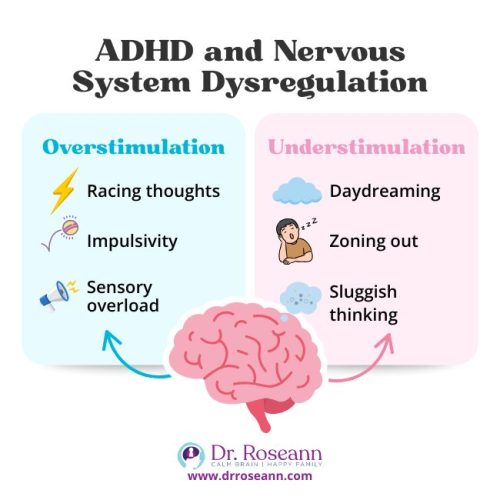
ADHD isn’t just about being easily distracted, it’s about nervous system dysregulation. When the brain’s regulation system is “stuck,” children have a harder time accessing memory and maintaining attention.
- Overstimulation: Racing thoughts, impulsivity, and sensory overload
- Understimulation: Daydreaming, zoning out, or sluggish thinking
How can PEMF for ADHD improve attention and concentration?
When PEMF calms the nervous system, kids are better able to shift into a “ready-to-learn” state. This means:
- Improved ability to sit through class lessons
- Less impulsive interruptions
- Greater stamina for homework
“How PEMF Helps Kids Reach a ‘Ready-to-Learn’ State”
| PEMF Effect | What Parents Notice at Home and School |
|---|---|
| Calms the nervous system | Child can sit through class lessons with fewer distractions |
| Regulates impulsivity | Fewer blurting out or interrupting during conversations |
| Boosts focus and stamina | More energy and consistency for homework and routines |
Does PEMF therapy support memory and learning in children?
Yes. Research suggests PEMF enhances neuroplasticity, your brain’s ability to make new connections. For ADHD children, this means:
- Better working memory (holding onto multi-step directions)
- Easier recall of learned material
- More consistent academic performance
Our CALM PEMF® Mobile Device for Attention and Learning boosts focus, learning and executive functioning by stimulating the brain with low-level frequencies. It supports memory, learning, and cognitive functions. Whether you or your child is struggling with distractibility and task completion, CALM PEMF® can help you get back on track.
Is PEMF safe for kids with ADHD? What do parents need to know?
PEMF is considered non-invasive and safe when used as directed. The energy levels are gentle and well below what you’d get from common household electronics.
Safety considerations for parents:
- Use FDA-cleared or clinically tested devices
- Start with short, supervised sessions
- Avoid if your child has implanted medical devices unless cleared by a doctor
Can PEMF therapy replace ADHD medication or be combined with it?
Many parents ask this. The answer: It depends. For some, PEMF reduces the need for medication. For others, it works best alongside current treatments.
Think of PEMF as a brain-calming foundation:
- May lower medication dose needs
- Can improve effectiveness of therapy and school strategies
- Offers a natural, non-medication ADHD treatment option
Always consult your child’s provider before adjusting medications.
How do I choose the right PEMF device for my child?
Choosing a PEMF device can feel overwhelming. Look for:
- Ease of use: Simple settings you can use at home
- Clinical validation: Backed by studies or practitioner use
- Child-friendly design: Comfortable, portable, non-intimidating
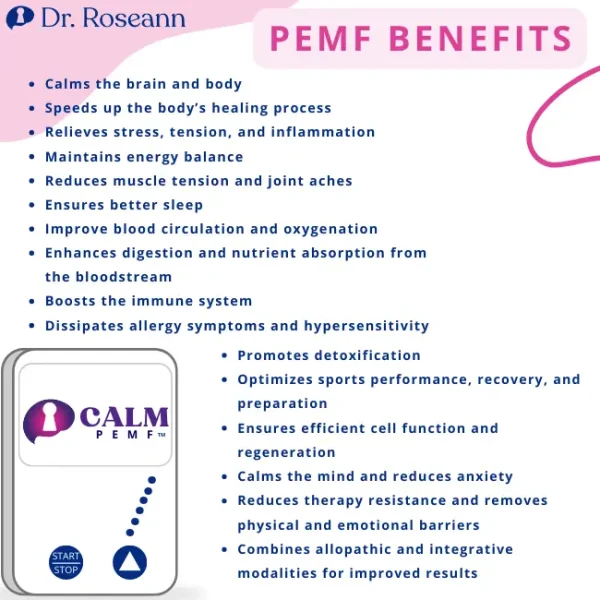
Our CALM PEMF® mobile device gently helps the brain shift into a calmer state, which makes it easier for kids to pay attention, learn, and finish tasks. Many parents notice improvements in focus, memory, and daily routines when their child uses PEMF as part of a broader regulation plan. It’s not about a quick fix, it’s about giving the brain the support it needs to feel more balanced and ready to learn.
What other brain-calming tools work well with PEMF for ADHD?
PEMF is powerful, but it works best as part of a whole-brain strategy. Combine with:
- Consistent sleep routines
- High-protein, low-sugar diet
- Mindful breathing and movement
- Co-regulation strategies (parent calm = child calm)
This is the heart of my Regulation First Parenting® philosophy: Regulate → Connect → Correct. When the brain is calm, children can learn and behave better.
Brain Science Spotlight
Recent research from Harvard Medical School found that PEMF stimulation may enhance prefrontal cortex activity, the very brain region tied to attention and working memory. Dr. Michael Rohan, lead author of a clinical study, explained: “PEMF doesn’t override brain function; it nudges it back into balance.”
What this means for your family: Your child’s forgetfulness or constant fidgeting isn’t willful defiance, it’s a reflection of dysregulated brain activity. Tools like PEMF give the nervous system the reset it needs.
Read more: PEMF Therapy Devices: What You Need to Know About Electromagnetic Healing
Dr. Roseann’s Therapist Quick Tip
“In my 30+ years of clinical practice, I’ve learned that no strategy sticks until the brain is calm. Here’s what I tell parents: Start small and consistent. Even 10 minutes of PEMF, combined with co-regulation (you staying calm), can reset your child’s nervous system.
Try this today: Before homework, do a short PEMF session followed by a calming activity like deep breathing together.
Why it works: Calming the nervous system first makes it easier for the brain to absorb, focus, and remember.
Remember: It’s not bad parenting—it’s a dysregulated brain. And you can help bring it back to calm.”
PEMF for ADHD offers families a safe, science-backed way to support memory, focus, and emotional balance. It’s not a magic cure—but it’s a powerful tool that can help kids thrive when combined with other brain-calming strategies.
Takeaway for parents: ADHD behaviors are communication from a dysregulated brain. Calming the brain first opens the door to progress.
Parent Action Tips
Use PEMF in short, daily sessions. Pair PEMF with a calming routine. Stay calm so your child can mirror you. Track small wins in focus and mood. Combine PEMF with healthy sleep and diet
FAQs
Does PEMF work for all kids with ADHD?
Not every child responds the same way, but many show improvements in focus, sleep, or mood after consistent use.
How quickly will I see results with PEMF?
Some parents notice changes within weeks, while for others it may take a few months of regular use.
Can PEMF be used daily for children?
Yes—most protocols allow for daily sessions, but always follow manufacturer and clinician guidance.
Is PEMF covered by insurance?
Most insurance plans don’t cover home PEMF devices, but some clinics may include PEMF as part of therapy packages.
Citations:
Liao, J., Wang, s., Zhou, B., Liang, W., Ma, P., Lin, M., Lin, W., Li, C., Zhang, X., Li, H., Cui, Y., Hu, J., Qin, Y., Deng, Y., Fu, A., Zhu, T., Zhang, S., Qu, Y., Xing, L., Li, W., Feng, F., Yao, X., Zhang, G., and Pan, J. (2023). Efficacy and safety of pulse magnetic therapy system in insomnia disorder: a multicenter, randomized, double-blind, placebo-controlled trial. Psychiatry Investig., 20(6):559-566. https://doi.org/10.30773/pi.2022.0362.
Pietramal, K., Greco, A., Garoli, A., and Roblin, D. (2024). Effect of extremely low-frequency electromagnetic field treatment on ASD symptoms in children: a pilot study. Brain Sci., 14(12)1293. https://doi.org/10.3390/brainsci14121293.
Pulay, M., Kornis, K., Dornyei, G., Szabo, E., Horvath, M., Matiscsak, A., Nyakas, C., Zsebe, A., Vissi, T., Mayer, A., and Turi, I. (2024). Feasibility of using pulsed electromagnetic field therapy to improve the dynamic postural balance of children with cerebral palsy: a randomized, sham-controlled pilot study. J Clin Med., 14(1):192. https://doi.org/10.3390/jcm14010192.
Dr. Roseann Capanna-Hodge is a licensed mental health expert that is frequently cited in the media:
- Different Thinking Different Learning How Low Demand Parenting Can Reduce Stress and Support Neurodivergent Youth with Dr. Roseann Capanna-Hodge
- Parade 6 Definitive Traits of a Middle Child, According to Psychologists
- The Experience Miracles (Podcast) Why Traditional Discipline Fails Dysregulated Kids (And What Actually Works)
©Roseann Capanna-Hodge
Understanding your child's emotional triggers is the first step toward helping them self-regulate. For a comprehensive guide, see The Dysregulated Kid by Dr. Roseann Capanna-Hodge.
Always remember… “Calm Brain, Happy Family™”
Disclaimer: This article is not intended to give health advice and it is recommended to consult with a physician before beginning any new wellness regime. The effectiveness of diagnosis and treatment vary by patient and condition. Dr. Roseann Capanna-Hodge, LLC does not guarantee certain results.
Are you looking for SOLUTIONS for your struggling child or teen?
Dr. Roseann and her team are all about science-backed solutions, so you are in the right place!
Meet the Expert
Licensed Therapist | Certified School Psychologist
Board Certified in Neurofeedback (BCN) | 30+ Years Clinical Experience
Expert in Emotional Dysregulation in Children and Nervous System Regulation
Host, Dysregulated Kids Podcast | Author, The Dysregulated Kid
Dr. Roseann Capanna-Hodge is a licensed therapist, certified school psychologist, and leading expert in emotional dysregulation in children and nervous system regulation. With over 30 years of clinical experience and having analyzed more than 10,000 brain maps, she helps families understand what behavior is really signaling—and how to calm the nervous system first so real change can happen.
She is the creator of Regulation First Parenting® and the CALMS Protocol™, host of the top 1% podcast Dysregulated Kids, and author of The Dysregulated Kid.