


Estimated reading time: 8 minutes
When your child flips from calm to stormy, it hits like an emotional lightning strike—sudden and overwhelming.
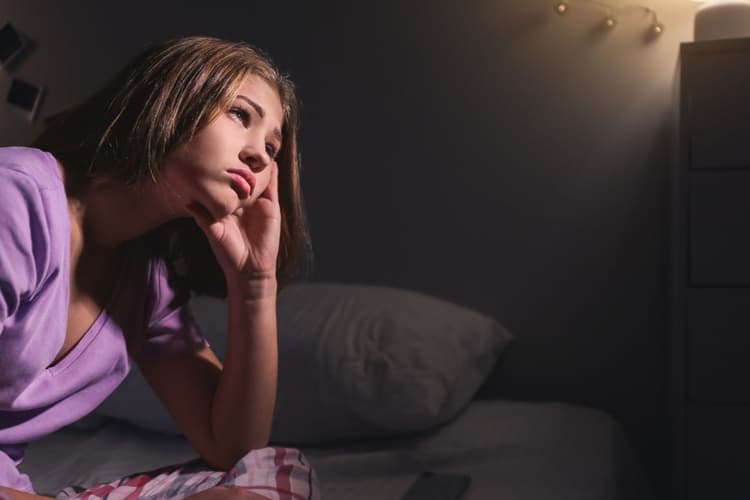
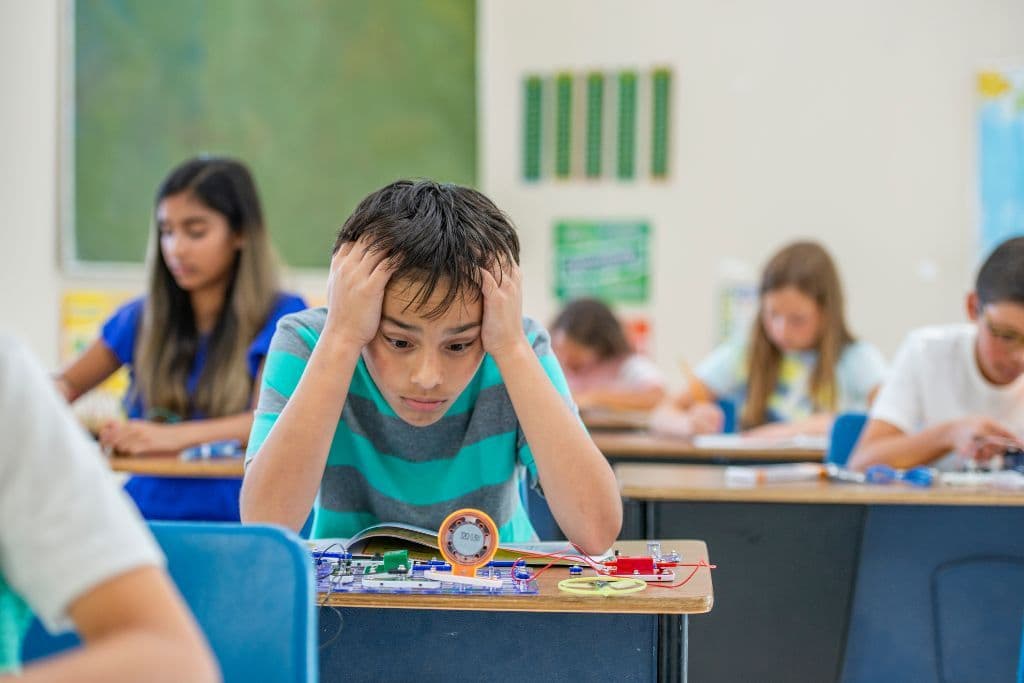
Stress plays a direct role in dysregulation by pushing your child’s nervous system into survival mode, making it hard for them to stay calm, think clearly, or control their reactions.
Stress often quietly nudges their nervous system into dysregulation. But understanding this goes beyond just naming the problem—it’s about equipping you with tools to help your child find calm, even when life feels heavy.
We’ll peel back how stress rewires your child’s brain and shapes behavior. Some kids carry heavier loads, and knowing why can change how you support them.
How Stress Affects the Brain’s Regulation System
Stres
Not all children respond to stress the same way. Some kids seem to bounce back quickly while others become overwhelmed by minor triggers. Understanding why some children are more vulnerable to stress-induced dysregulation helps parents respond with compassion rather than frustration. When you understand that a child's vulnerability to stress is not a character flaw or bad parenting, you can shift from trying to make them "tougher" to helping their nervous system build resilience over time.Why Some Kids Are More Vulnerable to Stress-Induced Dysregulation
Factors That Increase Stress Vulnerability in Children
When stress hits, their body triggers fight, flight, or freeze, flooding the brain with cortisol and adrenaline. This alarm can go off over small things for kids who struggle with regulation.
Here’s what happens:
- Stress hormones hijack the prefrontal cortex that controls impulses and emotions.
- This blocks:
- calm
- focus
- clear thinking
- Behavior becomes impulsive, intense, or disconnected as regulation fades.
Imagine your child’s brain as a car engine. Stress floors the gas while brakes fail. Their nervous system races. Emotional control slips away.
Wondering how to fix this? Start by calming the brain—everything else follows once regulation returns.
Read more about: Causes of Dysregulation: Understanding the Why's

What Are the Signs of a Dysregulated Nervous System in Kids?
Understanding the stress response in children starts with recognizing the early warning signs before a full meltdown or shutdown occurs. When a child's nervous system is stuck in stress response, the body remains flooded with cortisol and adrenaline, making it nearly impossible for them to think clearly or regulate their emotions.
Checklist: 8 Early Warning Signs of a Child's Stress Response
How Stress and Anxiety in Children Are Connected
Anxiety in children and chronic stress are deeply interconnected. When a child nervous system is stuck in prolonged stress mode, anxiety becomes their default state: constantly on guard, anticipating threat, and unable to settle into calm.
This connection is critical because treating anxiety in children effectively requires addressing the underlying stress response in the nervous system, not just managing surface-level symptoms. When you calm the stress response, anxiety naturally decreases.
Early Signs of Anxiety in Children That Parents Often Miss
- Physical symptoms: Frequent stomachaches, headaches, nausea, or sick feelings that have no medical cause — these are nervous system stress signals
- Perfectionism: Extreme fear of making mistakes, redoing assignments multiple times, asking if this is right repeatedly
- Sleep difficulties: Trouble falling asleep, nighttime waking, or nightmares — anxiety keeps the nervous system revved when it should be calming down
- Seeking excessive reassurance: Repeatedly asking will everything be okay? or do you love me? — these are self-soothing behaviors for an anxious nervous system
- Agitation or irritability: Not all anxious children appear scared; many act out, become argumentative, or seem too much — this is anxiety expressed as fight response
- Social withdrawal: Avoiding school, friends, or activities due to fear of what might happen — this is the freeze response to anxiety
How to Help an Anxious Child Nervous System Calm Down
- Validate without reinforcing: I can see you are worried. That feeling is uncomfortable, and I am here with you — validation helps the nervous system feel safe without escalating the anxiety
- Practice co-regulation: Your calm, steady presence literally helps lower your child anxiety through biological entrainment
- Build nervous system resilience: Consistent sleep, regular movement, outdoor time, and nutritious meals all support the nervous system ability to handle stress
- Gradual exposure: Slowly and gently helping your child face feared situations builds confidence and reduces anxiety over time
- Physical complaints: Stomachaches, headaches, or feeling "sick" without a medical cause
- Behavioral changes: Increased irritability, aggression, or unusual withdrawal from activities they once enjoyed
- Sleep disruptions: Difficulty falling asleep, frequent nighttime waking, or nightmares
- Appetite changes: Eating significantly more or less than usual
- Emotional flooding: Rapid mood shifts, crying spells, or explosive anger over minor triggers
- Attention difficulties: Trouble concentrating on schoolwork or following instructions
- Sensory sensitivities: Over-reacting to sounds, lights, textures, or touch that didn't bother them before
- Regression: Reverting to younger behaviors like thumb-sucking, bedwetting, or needing constant reassurance
If you notice several of these signs occurring together or worsening over time, your child's nervous system is likely stuck in stress response mode. This is not manipulation—it's biology. The first step is calming the nervous system before attempting to correct behavior or teach skills.
Understanding the Stress Response in Children
The stress response in children is the body's automatic survival mechanism — the same system that helps our ancestors run from predators. When this system activates in a child, their brain floods with cortisol and adrenaline, and the thinking prefrontal cortex goes temporarily offline. This is why a dysregulated child literally cannot "just calm down" or "think things through" when the stress response is active.
Understanding the stress response in children changes everything about how you respond. When you know your child is in a biological stress response rather than making a choice to be defiant, you stop trying to reason with them and start regulating their nervous system first.
If you're raising a child with frequent meltdowns or intense emotional reactions, The Dysregulated Kid offers practical strategies to help you understand your child's nervous system and create lasting regulation.
Related reading: the biology of emotions; common causes of dysregulation.
Always remember… “Calm Brain, Happy Family™”
Disclaimer: This article is not intended to give health advice and it is recommended to consult with a physician before beginning any new wellness regime. The effectiveness of diagnosis and treatment vary by patient and condition. Dr. Roseann Capanna-Hodge, LLC does not guarantee certain results.
Are you looking for SOLUTIONS for your struggling child or teen?
Dr. Roseann and her team are all about science-backed solutions, so you are in the right place!
Meet the Expert
Licensed Therapist | Certified School Psychologist
Board Certified in Neurofeedback (BCN) | 30+ Years Clinical Experience
Expert in Emotional Dysregulation in Children and Nervous System Regulation
Host, Dysregulated Kids Podcast | Author, The Dysregulated Kid
Dr. Roseann Capanna-Hodge is a licensed therapist, certified school psychologist, and leading expert in emotional dysregulation in children and nervous system regulation. With over 30 years of clinical experience and having analyzed more than 10,000 brain maps, she helps families understand what behavior is really signaling—and how to calm the nervous system first so real change can happen.
She is the creator of Regulation First Parenting® and the CALMS Protocol™, host of the top 1% podcast Dysregulated Kids, and author of The Dysregulated Kid.

Want more Regulation First Parenting® guidance from Dr. Roseann? Add us as a preferred source on Google.