
Join the Dysregulation Insider get free calm parenting tips straight to your inbox!
YES, I'M IN!The 3 WORST Supplements for ADHD | Emotional Dysregulation in Children | E317




Estimated Reading Time: 6 minutes
Supplements for ADHD are everywhere, promising better focus, fewer meltdowns, improved mood, and calmer behavior. But when it comes to the worst supplements for ADHD, the reality is that not every vitamin or supplement is safe or helpful for every child.
In fact, some supplements can actually worsen symptoms, especially in children with sensitive nervous systems, food sensitivities, genetic differences like MTHFR, or underlying issues affecting regulation.
As a parent, it's easy to get swept up in the promise of a quick solution. When your child is struggling with attention, impulsivity, anxiety, or emotional dysregulation ADHD symptoms, you naturally want to help. But choosing supplements without proper testing can sometimes do more harm than good.
In this episode, I'm breaking down three common supplements that may backfire and what to consider instead.
Why can some ADHD supplements make symptoms worse?
The brain is incredibly complex.
What helps one child focus may completely dysregulate another.
Factors that influence how a child responds to supplements include:
- Nutrient deficiencies
- Genetics
- Gut health
- Medication use
- Nervous system sensitivity
- Food sensitivities
This is why a supplement that works beautifully for one child may create anxiety, irritability, or hyperactivity in another.
Key Takeaway
Supplements should never be chosen based on trends, social media recommendations, or hearsay.
The safest approach is:
- Test first
- Supplement second
- Personalize every decision
This helps avoid unintentionally worsening anxiety in ADHD children or increasing emotional and behavioral challenges.
Are iron supplements always helpful for ADHD?
Many parents hear that iron supports focus and attention and immediately assume more is better.
Not necessarily.
Iron can be beneficial when a true deficiency exists, but supplementing without testing may create problems.
Potential concerns include:
- Digestive discomfort
- Irritability
- Constipation
- Nutrient imbalances
- Excess iron accumulation
Parent Scenario
A parent notices their child struggles with focus and starts an iron supplement after reading about ADHD online.
Several weeks later, they notice:
- More irritability
- Increased emotional reactivity
- Sleep disruptions
The issue wasn't necessarily the iron itself. The issue was giving a supplement without confirming it was needed.
Testing should always guide supplementation decisions.
How can B vitamins affect ADHD symptoms?
B vitamins are often praised for boosting energy, mood, and focus.
But for some children, especially those with MTHFR gene variants, certain forms of B vitamins can trigger unwanted reactions.
Sensitive children may experience:
- Irritability
- Anxiety
- Restlessness
- Mood swings
- Sensory overload
- Increased hyperactivity
The vitamins most commonly associated with sensitivity include:
- B6
- Folate
- Niacin
- Methylated B vitamins
Why MTHFR Matters
The MTHFR gene affects how the body processes certain B vitamins.
Some children benefit from methylated forms.
Others become significantly more dysregulated when taking them.
What Parents Should Do
Before adding high-dose B vitamins:
- Consider functional testing
- Evaluate methylation status
- Work with a knowledgeable provider
- Monitor behavioral changes closely
One of the worst supplements for ADHD can be the wrong B vitamin in the wrong form for a child whose nervous system is already sensitive.
Why can multivitamins be problematic for kids with ADHD?
Multivitamins seem like a harmless way to cover nutritional gaps.
Unfortunately, many conventional products contain ingredients that may aggravate ADHD symptoms.
Common concerns include:
- Artificial colors
- Artificial sweeteners
- Preservatives
- Low-quality fillers
- Poorly absorbed nutrient forms
For children with ADHD, these additives may contribute to:
- Hyperactivity
- Irritability
- Behavioral challenges
- Gut health issues
- Increased dysregulation
The Gut-Brain Connection
Research continues to show strong links between gut health and brain function.
When the gut becomes irritated or imbalanced, symptoms may appear as:
- Mood swings
- Attention difficulties
- Emotional reactivity
- Behavioral challenges
This is why many generic multivitamins end up on my list of the worst supplements for ADHD.
A Better Approach
Instead of using a broad multivitamin:
- Target specific deficiencies
- Choose high-quality ingredients
- Avoid unnecessary additives
- Use testing to guide decisions
Less is often more.
What nutrients actually support nervous system regulation?
The goal is not to give more supplements.
The goal is to give the right supplements.
One nutrient I frequently recommend for supporting nervous system reset for children is magnesium.
Magnesium supports:
- Emotional regulation
- Focus
- Sleep quality
- Stress resilience
- Cognitive function
Many children with ADHD are depleted in magnesium due to:
- Chronic stress
- Dietary limitations
- Medication use
- Increased nervous system demands
When the brain has the nutrients it needs, regulation becomes easier.
Why is magnesium different?
Unlike many supplements marketed for ADHD, magnesium directly supports nervous system function.
The Neurotastic® Multi-Mag Brain Formula includes highly bioavailable forms such as:
Magnesium L-Threonate
Benefits include:
- Crosses the blood-brain barrier
- Supports focus and cognition
- Helps attention and memory
Magnesium Glycinate
Benefits include:
- Calms the nervous system
- Supports mood balance
- Helps reduce anxiety
Magnesium Malate
Benefits include:
- Supports energy production
- Helps reduce muscle tension
- Improves resilience
This targeted approach supports both focus and nervous system reset for children without overwhelming sensitive systems.

How do I know which supplements my child actually needs?
The best supplement plan starts with understanding your child's biology.
Consider evaluating:
- Nutrient levels
- Iron status
- Vitamin deficiencies
- Gut health
- Genetic factors
- Medication interactions
Remember:
- More supplements are not always better.
- Expensive supplements are not always better.
- Personalized support is always better.
🗣️ “When we calm the brain first and support it with the right nutrients, kids don't have to work so hard just to get through the day.” — Dr. Roseann
Takeaway
When it comes to the worst supplements for ADHD, the biggest mistake is assuming every child needs the same thing.
Iron, B vitamins, and multivitamins can all be helpful in the right situation, but they can also worsen symptoms when used without proper guidance.
Instead of chasing trends:
- Test first
- Personalize your approach
- Focus on nervous system regulation
- Support the brain with targeted nutrients
When we calm the brain first, everything improves: focus, mood, behavior, and resilience.
Visit https://drroseann.com/magnesium to learn more about Multi-Mag Brain Formula and how it can support your child’s path to focus and calm.
Not sure where to start?
Take our FREE Brain and Behavior Solutions Matcher and discover the best next step for your child.
Don't miss out on our Natural ADHD Focus Formula Kit: https://drroseann.com/adhdkit
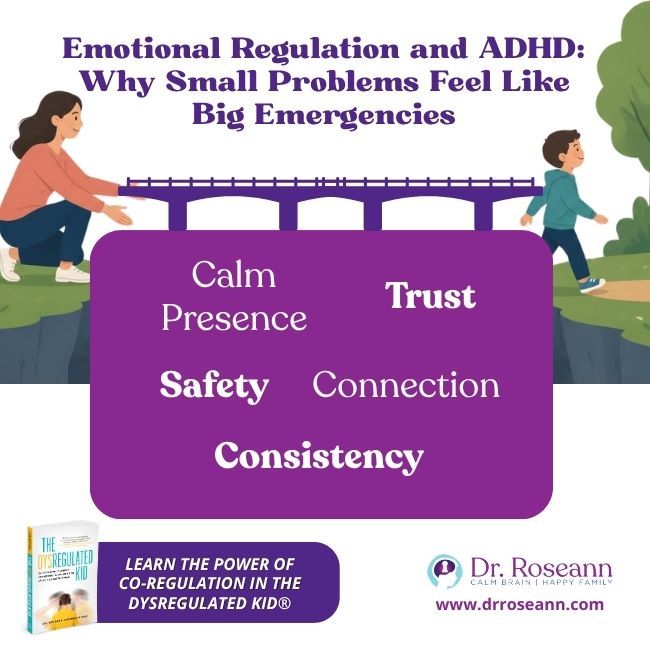
When ADHD and big emotions collide, correcting the behavior isn’t always enough. Learn why regulation before correction can change how you respond in The Dysregulated Kid® by Dr. Roseann Capanna-Hodge at dysregulatedkid.com.
FAQs
Can supplements make ADHD symptoms worse?
Yes. The wrong supplement, form, or dosage can increase irritability, anxiety, hyperactivity, or emotional dysregulation in some children.
Why do some kids react poorly to B vitamins?
Genetic differences such as MTHFR variants can affect how the body processes certain B vitamins, making some children more sensitive to specific forms.
Do all children with ADHD need a multivitamin?
No. Many children benefit more from targeted nutrients based on testing rather than broad-spectrum multivitamins.
Can magnesium help ADHD symptoms?
Magnesium may support focus, emotional regulation, sleep, and stress resilience by supporting nervous system function.
What's the safest way to choose ADHD supplements?
Work with a qualified provider, use testing whenever possible, and monitor your child's response carefully before adding additional supplements.
Dr. Roseann Capanna-Hodge is a licensed therapist, certified school psychologist, and leading expert in emotional dysregulation in children. With over 30 years of experience, she helps parents understand the root causes of meltdowns, anxiety, ADHD, and challenging behavior through the lens of nervous system regulation. Dr. Roseann teaches practical, science-backed strategies for co-regulation and how to calm a dysregulated child using her Regulation First Parenting® approach. She is the host of the Dysregulated Kids Podcast and author of The Dysregulated Kid.
Dr. Roseann Capanna-Hodge
Emotional Dysregulation in Children & Nervous System Expert
Regulation First Parenting® | CALMS Protocol™
Host of the Dysregulated Kids Podcast (Top 1% Globally)
Author of The Dysregulated Kid

Find this helpful? Leave us a review!
Your feedback helps more overwhelmed parents find calm, clarity, and the proven tools that make everyday life easier.
Dr. Roseann Capanna-Hodge: Helping Families of Dysregulated Kids Thrive Through Regulation First Parenting®
As the creator of Regulation First Parenting®, she’s helping families of dysregulated kids discover a compassionate, brain-based path forward. Through The Dysregulated Kids™ Podcast (top 2% globally), she offers practical strategies that help parents understand their child’s brain and support lasting change.
Through The Global Institute of Children’s Mental Health and Dr. Roseann, LLC, she’s created resources like the Neurotastic® Brain Formulas and the Regulation First Parenting® framework—meeting families where they are and supporting them through challenges like ADHD, anxiety, OCD, PANS/PANDAS, and behavioral struggles.
Recognized by Forbes as “a thought leader in children’s mental health,” Dr. Roseann is changing how we understand emotional dysregulation in children—one family at a time.