
Join the Dysregulation Insider get free calm parenting tips straight to your inbox!
YES, I'M IN!5 Things Parents Shouldn't Say to Kids with OCD or Anxiety | Regulation First Parenting® | E307





As parents, understanding what’s really going on beneath our child’s anxiety or OCD is one of the most important things we can do to support them. When they're dysregulated, the things we tell them are more than just words—they can either comfort and guide or shame and overwhelm them. In those heightened moments, anxious or intrusive thoughts can take over, and our children look to us to help them feel safe, grounded, and understood.
That’s why it's so important to be mindful of how we respond. Let me share five things parents should avoid saying to kids with OCD or anxiety and what to say instead to truly support their regulation, confidence, and emotional growth.
Understanding Anxiety and OCD in Children
Understanding anxiety and OCD in children starts with recognizing that their behaviors aren’t attention-seeking or dramatic—they’re signs of a dysregulated nervous system. When a child is caught in a fear or worry loop, their brain is misfiring false danger signals, putting them in a constant state of alarm. This can make them seem irrational or overly reactive, but what they truly need is support, not correction or dismissal.
The way we respond to these moments has the power to either fuel the anxiety or interrupt the cycle. Responding with empathy, calm, and validation helps children feel safe and teaches their brain that they can face discomfort and still be okay.
Instead of trying to fix or erase their feelings, our role is to guide them in building the skills to manage those emotions. That’s how true regulation and healing happen.
Don’t Say “Stop Worrying” or “Calm Down”: Help Kids Feel Seen, Not Shut Down
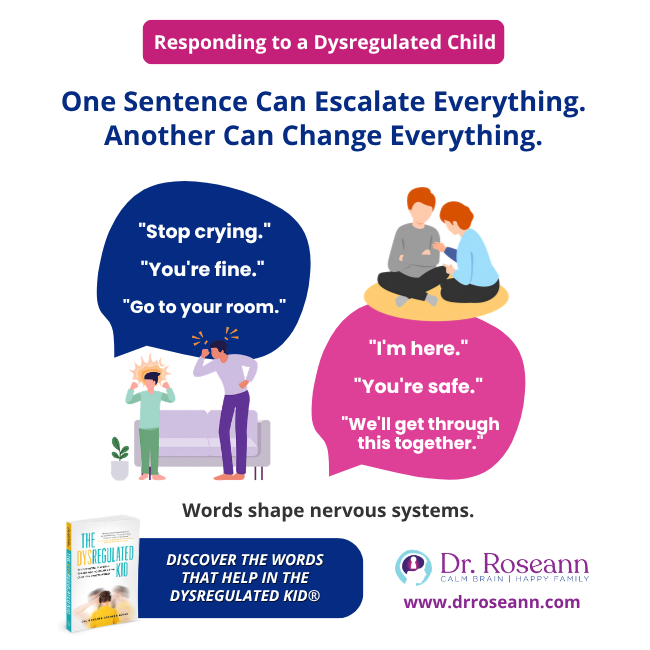
Telling an anxious child to “stop worrying” or “calm down” might sound helpful, but it often does more harm than good. These phrases can make a child feel invalidated or ashamed, especially when their brain is stuck in a fear loop. In that dysregulated state, logic and reasoning are out of reach—so what they really need is support, not correction.
The best way to respond is to be aware of the message you’re sending and to focus on connection over control. While it might provide short-term relief to try to “fix” the worry, true healing comes with patience, practice, and sometimes therapy.
It's important to strike a balance. We don’t want to over-accommodate by constantly rescuing or answering every worry-based question. But that doesn’t mean we become harsh. Instead, we want to reinforce that they can manage discomfort and use the coping skills they've been taught. Avoiding rescue doesn’t mean withholding support—it means shifting the focus toward skill-building.
When children have scary thoughts or feel the urge to engage in OCD compulsions, our job isn’t to make those feelings disappear—it’s to listen, engage calmly, and help them recognize that these thoughts are not facts. This is true for both children and adults. While it may feel easier in the moment to reassure, that can make things harder in the long run.
Kids need to know it’s normal to feel uncomfortable sometimes. They won’t always love our boundaries and might even get angry, but that’s okay. Through supportive response prevention, we help them tolerate distress and grow more confident in facing a world that won’t always accommodate their anxiety.
When you say “stop worrying,” you're not teaching them anything. It only increases the pressure and doesn’t help calm the nervous system. A better response might be, “Let’s take a breath together,” or “I hear that you’re feeling anxious, and I’m here with you.” These statements validate without feeding the anxiety and help children feel seen while nudging them toward regulation and self-trust.
Don’t Say “You’re Fine”: Validate Before Redirecting
Saying “You’re fine” or “There’s nothing to worry about” might seem reassuring, but it can actually make an anxious child feel dismissed or misunderstood. Worry doesn’t always come from something rational—sometimes it just shows up, whether it makes sense or not. Even when a fear is irrational, it still feels very real to your child, and that experience needs to be validated.
Instead of brushing off their concerns, help your child recognize the difference between their rational thoughts and their “worry brain.” You can say something like, “Is that your brain talking, or is that your worry brain?” Giving the worry a name helps your child separate from it and begin to build self-awareness.
You can also guide them back into their body by saying, “Where do you feel the worry?” and encouraging them to place a hand on that spot. This helps shift focus from anxious thoughts to physical grounding, which makes it easier to breathe through and regulate their emotions.
Don’t Say “We’ve Talked About This”: Break the Reassurance Loop
Telling an anxious child “We’ve already talked about this” or “That’s not true” can come across as dismissive and often makes things worse. Children with anxiety or OCD tend to get stuck in repetitive thought loops and may rely on constant reassurance to feel safe. While it might seem helpful to answer their questions or calm their fears with logic, this can actually reinforce the anxiety and keep it going.
Instead, try to redirect their focus to their own ability to cope. You can say, “I know you’re uncomfortable, but this will pass,” or “You got through this yesterday. How did you do that?” These responses help remind your child of their inner strength and past success, which can reduce their dependence on external reassurance.
It also helps to support their self-awareness by asking, “What is your brain saying right now?” This encourages them to recognize the difference between themselves and their worry. Rather than being their life preserver, your role is to guide them toward realizing they already have the tools to manage their discomfort.
Don’t Say “You’re Overreacting”: Acknowledge, Don’t Minimize
Telling a child they are overreacting or that their fears are silly can shut down communication and create shame. This kind of response may make kids feel guilty about their emotions, leading them to keep their worries inside. For children with anxiety or OCD, bottling things up can increase the risk of depression and even suicidal thoughts.
It’s so important to protect the lines of communication. When a child with anxiety or OCD shares what they’re feeling, it’s often a big step — and it means they trust you. That’s something to celebrate, not dismiss.
Instead of minimizing their experience, validate their feelings without feeding the fear. Try saying, “That thought feels really big right now. Let’s sit with it together,” or “I know this feels real, but you got through it yesterday.” These kinds of responses help your child feel safe and supported while gently encouraging them to build coping skills and talk back to their worried brain.
Don’t Say “Let It Go”: Skip Comparison, Build Trust
Telling a child to just “let it go” or comparing them to siblings or peers can do real harm. It feeds shame, erodes connection, and makes a child less likely to come to you when they’re struggling. These kinds of comments reinforce the idea that something is wrong with them, which only increases anxiety.
Instead, remind your child that everyone’s brain works differently. Say things like, “Maybe your brain needs more time to adjust” or “You’re working on this, and I believe in you.” Normalize struggle without rescuing or over-reassuring.
Ask questions that build awareness, like “What makes you feel that way?” or “How did you do on the last test?” Helping your child reflect builds confidence in their ability to handle worries themselves.
Supporting a child with anxiety or OCD doesn’t require perfection; it requires consistency and compassion. Shifting from rescuing to empowering helps your child build lasting coping skills. When you calm the brain and respond with intention, you change the dynamic in powerful ways.
Not sure where to start? We'll help you find the right solution tailored to your needs. Take our FREE Brain and Behavior Solutions Matcher today!
Discover science-backed mental health solutions and gain valuable insights by exploring the resources available at www.drroseann.com.
When your child is caught in an OCD or anxiety loop, the instinct is often to reassure, reason, or tell them there’s nothing to worry about. But an activated nervous system can’t simply be talked out of fear—and repeated reassurance can sometimes become part of the cycle. In The Dysregulated Kid®, I help parents understand what is happening underneath anxious and compulsive behavior so you can regulate first, connect without feeding the fear, and respond in ways that build your child’s capacity to tolerate discomfort. You don’t need the perfect phrase; you need a nervous-system-first framework for knowing what your child needs in the moment. Get The Dysregulated Kid® at dysregulatedkid.com.
FAQs
What if my child gets angry when I stop giving reassurance?
That's normal. Anxiety often pushes kids to seek certainty. Stay calm, hold your boundary, and continue encouraging coping skills instead of reassurance.
How can I avoid saying the wrong thing?
Pause before responding. Focus on connection first. Often one calm, validating phrase is more helpful than a long explanation.
Does validating emotions mean agreeing with the fear?
No. Validation acknowledges the feeling, not the fear itself. It helps the nervous system settle so your child can think more clearly.
What's the best way to calm an anxious child?
Start with co-regulation. Slow your voice, breathe together, and offer support before problem-solving. This is one of the most effective ways to calm your child without yelling.
Why do anxious children ask the same questions repeatedly?
Repetitive questioning is often an attempt to reduce uncertainty. Teaching coping skills instead of providing endless reassurance helps build long-term confidence and resilience.
Tired of not knowing what’s really going on with your child?The Solution Matcher gives you a personalized recommendation based on your child’s behavior, not just a label. It’s fast and free.Start here: www.drroseann.com/help
Dr. Roseann Capanna-Hodge is a licensed therapist, certified school psychologist, and leading expert in emotional dysregulation in children. With over 30 years of experience, she helps parents understand the root causes of meltdowns, anxiety, ADHD, and challenging behavior through the lens of nervous system regulation. Dr. Roseann teaches practical, science-backed strategies for co-regulation and how to calm a dysregulated child using her Regulation First Parenting® approach. She is the host of the Dysregulated Kids Podcast and author of The Dysregulated Kid.
Dr. Roseann Capanna-Hodge
Emotional Dysregulation in Children & Nervous System Expert
Regulation First Parenting® | CALMS Protocol™
Host of the Dysregulated Kids Podcast (Top 1% Globally)
Author of The Dysregulated Kid

Find this helpful? Leave us a review!
Your feedback helps more overwhelmed parents find calm, clarity, and the proven tools that make everyday life easier.
Dr. Roseann Capanna-Hodge: Helping Families of Dysregulated Kids Thrive Through Regulation First Parenting®
As the creator of Regulation First Parenting®, she’s helping families of dysregulated kids discover a compassionate, brain-based path forward. Through The Dysregulated Kids™ Podcast (top 2% globally), she offers practical strategies that help parents understand their child’s brain and support lasting change.
Through The Global Institute of Children’s Mental Health and Dr. Roseann, LLC, she’s created resources like the Neurotastic® Brain Formulas and the Regulation First Parenting® framework—meeting families where they are and supporting them through challenges like ADHD, anxiety, OCD, PANS/PANDAS, and behavioral struggles.
Recognized by Forbes as “a thought leader in children’s mental health,” Dr. Roseann is changing how we understand emotional dysregulation in children—one family at a time.