


Estimated reading time: 6 minutes
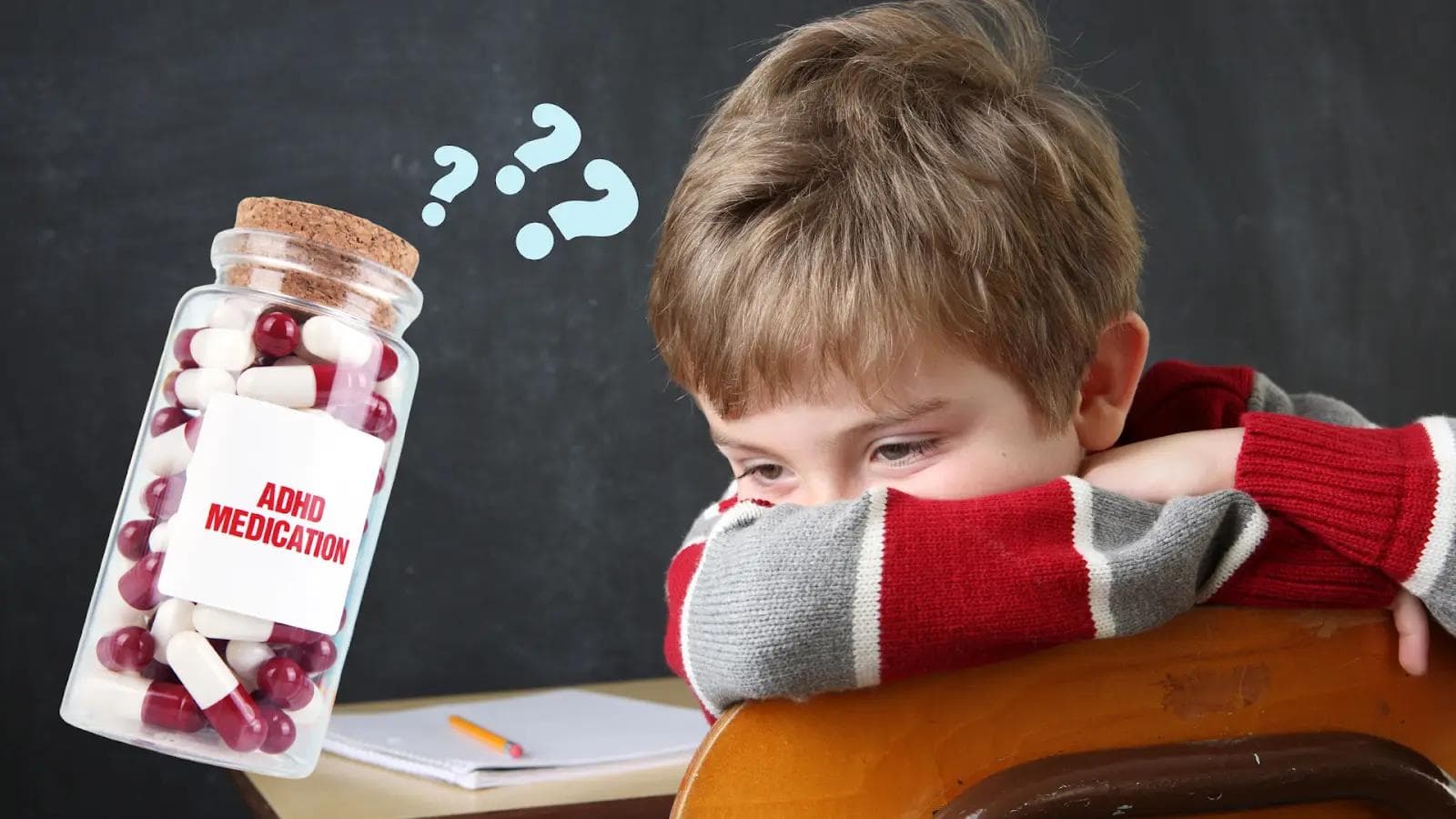
For many children, ADHD drugs are safe when they are prescribed appropriately, carefully monitored, and used as part of a comprehensive treatment plan. However, they are not risk-free.
Watch Dr. Roseann explain the risks and benefits of ADHD medications:
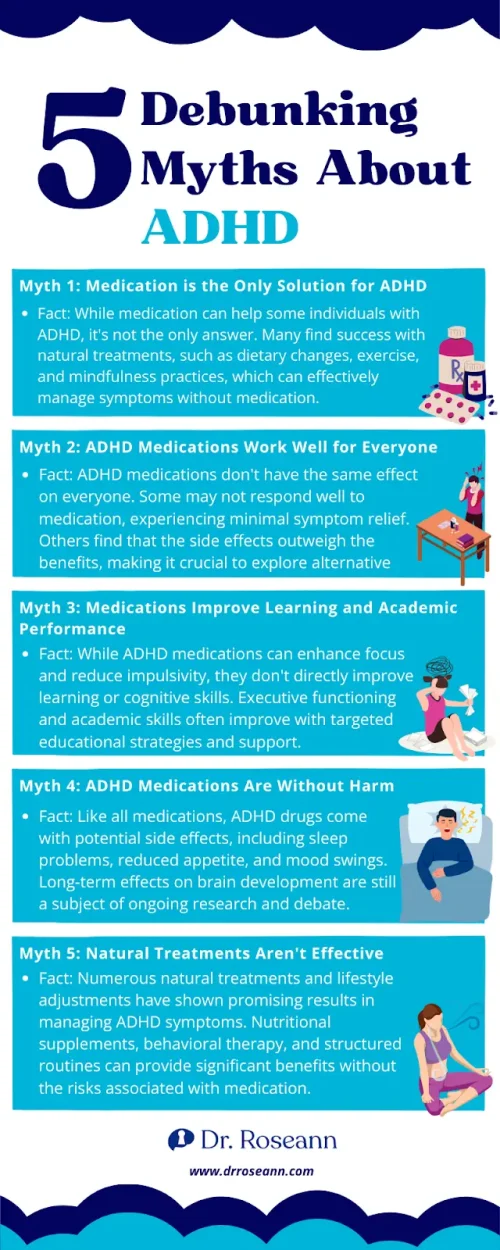
Stimulant and non-stimulant medications can cause side effects such as decreased appetite, sleep problems, mood changes, increased heart rate, and, in some cases, slowed growth or emotional dysregulation.
The key isn't simply whether ADHD drugs are safe—it's whether the benefits outweigh the risks for your child's unique needs.
Understanding how these medications work, who is most likely to benefit, and what warning signs to watch for empowers parents to make informed decisions.
I'm Dr. Roseann Capanna-Hodge, and for more than 30 years I've guided families through the complex decisions surrounding ADHD treatment.
What You'll Learn:
- What current research says about the safety of ADHD medications.
- The potential benefits, risks, and side effects parents should know.
- How to determine whether medication is an appropriate part of your child's treatment plan.
What Types of ADHD Drugs Are Prescribed for Children?
| Stimulants (like Ritalin or Adderall) | Non-stimulants (like Strattera or Intuniv) |
|---|---|
| often work quickly to boost focus and reduce impulsivity, which is why they’re the most commonly prescribed ADHD medications | take longer to work but may bring fewer side effects for some children—something parents often appreciate when sleep or mood is already a concern |
What Are the ADHD Drug Side Effects and Long-Term Risks?
ADHD drugs can be game-changers—but every parent asks the same question: what’s the trade-off? Some kids soar with improved focus and calm, while others struggle with side effects. That’s why working closely with your provider—and keeping a close eye on your child’s day-to-day—matters most.
Common short-term side effects:
- Decreased appetite
- Sleep problems
- Irritability or crankiness
- Headaches
- Tics, mood swings, or stomach upset (for some kids)
Think of these as speed bumps: jarring and inconvenient, but often temporary. With time, adjustments, and support at home, many families see improvement.
Long-term considerations:
- Stimulants, when used as prescribed, don’t create addiction. They can, however, stunt growth in some children and raise concerns about sleep or cardiovascular health (Ersche et al., 2013).
- Non-stimulants? We’re still in the learning phase, because the long-term story hasn’t fully unfolded.
Other possible downsides some parents notice:
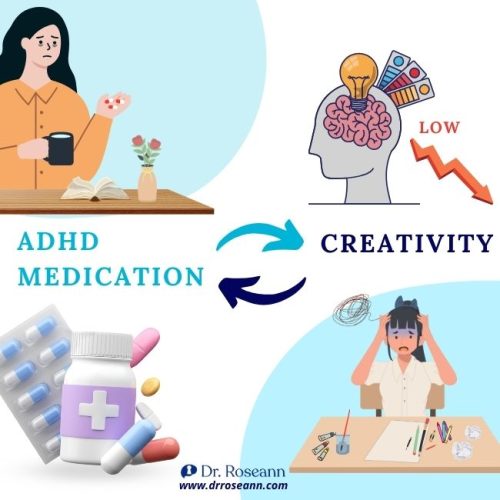
- Creativity dips - A few kids feel less spark, like crayons missing their brightest colors.
- Mood shifts - Irritability or sudden changes in mood—regular checkups are important.
- Heightened emotions - Some children feel emotions more intensely, like the volume dial turned up too high.
- Reduced appetite - Nutrition can become a balancing act, so meal planning matters. One study found children on methylphenidate ate less, lost weight, and had shifts in hunger hormones like ghrelin and adiponectin (Sahin et al., 2014).
- Brain development questions - Debate continues, yet some findings suggest long-term stimulant use may reshape brain structure during development (Ersche et al., 2013). It doesn’t mean panic, but it does mean caution.
Parent Story: Laura, mom of a 9-year-old, noticed her son became moody after starting medication. With a dose adjustment and calming supports at home, he found better balance.Takeaway: ADHD drugs can be effective, but side effects and risks look different for every child. Careful monitoring and support at home help families find the right balance.
Do ADHD Medications Actually Work?
For about 7 in 10 kids, stimulants sharpen focus and help with impulse control. Non-stimulants help fewer children, yet can be useful when stimulants don’t fit. The important thing? Medication quiets the noise, but it doesn’t solve the dysregulated brain underneath.
When Should Parents Consider ADHD Medication?
- Severe school disruption
- High safety risks (impulsivity, aggression)
- Child’s distress and self-esteem issues
But medication isn’t the only option—many families combine it with lifestyle and natural supports. Remember: parents aren’t failing if they need to consider medication. What matters most is finding the right balance for your child.

Are There Natural Alternatives to ADHD Drugs?
- Magnesium, omega-3s, exercise, sleep, neurofeedback.
- Regulation First Parenting®: Regulate → Connect → Correct.™
Parent Story: Marcus, age 11, struggled with homework meltdowns. His parents added magnesium glycinate and a structured bedtime routine. Within weeks, his focus improved—without meds.Natural supports can calm the brain and sometimes reduce or even replace the need for medication
How Can Parents Decide if ADHD Drugs Are Safe for Their Child?
- Partner with a knowledgeable provider you trust to guide you through the options.
- Track benefits and side effects so you can see the whole picture—not just the challenges.
- Start with regulation supports first—because when the brain is calm, everything else works better.
| Benefits | Risks | Alternatives |
|---|---|---|
| Better focusAppetite loss | Appetite loss | Magnesium |
| Fewer meltdowns | Sleep issues | Neurofeedback |
| Improved schoolwork | Mood swings | Exercise |
How Do You Balance the Benefits and Risks of ADHD Drugs?
Every parent asks the same thing—does the good outweigh the bad when it comes to ADHD drugs?For some kids, medication feels like flipping on a light switch. They finally focus, hold themselves together, and daily life softens around the edges. For others, though, the side effects create bumps that no parent saw coming.
| Potential benefits | Possible drawbacks |
|---|---|
| Better focus and school performance | Appetite loss, sleep issues, or irritability |
| Calmer behavior and fewer meltdowns | Growth concerns and cardiovascular risks |
| Relief for kids and parents from daily struggles | Limited research on long-term safety |
That’s why medication works best when it’s not the first step. Calming the brain naturally—through diet, movement, supplements, and brain-based tools like our CALM PEMF® device—gives kids a stronger foundation for learning and emotional growth.💡 Want more natural tools to support focus and calm? Check out the Natural ADHD Focus Formula Kit—a parent-friendly bundle designed to boost attention, ease stress, and support school success without relying only on medication.
Parent Action Steps
- Schedule regular check-ins with your child's provider.
- Ask about non-drug options for calming the brain first.
- Reevaluate medication needs as your child grows.
- Prioritize your child's nutrition, exercise, and stress-reducing routines.
- Take this ADHD Quiz to know if your child has ADHD or something else.
- Try our Solution Matcher to get personalized treatment for your child.
FAQs
Is there a cure for ADHD?
No, there is currently no cure for ADHD. However, ADHD symptoms can be effectively managed with the right combination of behavioral therapy, school supports, healthy lifestyle habits, nervous system regulation, and, when appropriate, medication. The goal is to help children build the skills they need to thrive—not simply reduce symptoms.
Are higher doses of ADHD medication more effective?
Not necessarily. Higher doses of ADHD medication may improve symptoms for some children, but they also increase the risk of side effects. The most effective dose is the lowest one that provides meaningful benefit with minimal side effects, which is why ongoing monitoring is so important.
Do ADHD medications pose a higher risk for certain individuals?
Yes. ADHD medications may pose a higher risk for children with certain medical conditions, heart problems, anxiety, tic disorders, or sensitivities to medication. A comprehensive evaluation helps determine whether medication is appropriate and whether another treatment approach may be a better fit.
Are ADHD medications considered controlled substances?
Yes, many ADHD medications are controlled substances. Stimulant medications such as Adderall and Ritalin are classified as Schedule II controlled substances because they have the potential for misuse and dependence. When prescribed appropriately and monitored closely, they can be safe and effective for many children.
Can ADHD medications lead to substance abuse?
When taken exactly as prescribed, ADHD medications do not appear to increase the risk of substance abuse and may even reduce that risk in children with well-managed ADHD. However, misuse of stimulant medications—such as taking higher doses or using someone else's prescription—can lead to dependence or addiction, making careful supervision essential.
How are children monitored while taking ADHD medication?
Children taking ADHD medication should have regular follow-up visits to monitor their growth, side effects, symptom improvement, and overall well-being.
Can ADHD drugs affect my child's growth?
Some ADHD drugs may temporarily affect appetite and growth, so your child's healthcare provider should regularly track their height and weight.
Are stimulant medications safe for long-term use?
Stimulant medications can be safe for long-term use when your child is monitored regularly and the treatment plan is reviewed as their needs change.
Are non-stimulant ADHD medications safer than stimulants?
Non-stimulant ADHD medications aren't necessarily safer than stimulants, but they may be a better option for some children depending on their symptoms and medical history.
Sahin, S., Yuce, M., Alacam, H., Karabekiroglu, K., Say, G. N., & Salıs, O. (2014). Effect of methylphenidate treatment on appetite and levels of leptin, ghrelin, adiponectin, and brain-derived neurotrophic factor in children and adolescents with attention deficit and hyperactivity disorder. International Journal of Psychiatry in Clinical Practice, 18(4), 280–287.https://doi.org/10.3109/13651501.2014.940054
Dr. Roseann is a mental health expert in ADHD who frequently is in the media:
- Helping Children Thrive Podcast : Benefits of Neurofeedback for children with ADHD
- She Knows 11 Products Moms of Kids With ADHD Swear By to Maintain Order in the Chaos
- The Healthy 12 Silent Signs of Adult ADHD You Might Be Ignoring
- It’s Gonna Be OK! Podcast ADHD Series
Grab your complimentary copy of
©Roseann Capanna-Hodge 2025
Understanding your child's emotional triggers is the first step toward helping them self-regulate. For a comprehensive guide, see The Dysregulated Kid by Dr. Roseann Capanna-Hodge.
Always remember… “Calm Brain, Happy Family™”
Disclaimer: This article is not intended to give health advice and it is recommended to consult with a physician before beginning any new wellness regime. The effectiveness of diagnosis and treatment vary by patient and condition. Dr. Roseann Capanna-Hodge, LLC does not guarantee certain results.
Are you looking for SOLUTIONS for your struggling child or teen?
Dr. Roseann and her team are all about science-backed solutions, so you are in the right place!
Meet the Expert
Licensed Therapist | Certified School Psychologist
Board Certified in Neurofeedback (BCN) | 30+ Years Clinical Experience
Expert in Emotional Dysregulation in Children and Nervous System Regulation
Host, Dysregulated Kids Podcast | Author, The Dysregulated Kid
Dr. Roseann Capanna-Hodge is a licensed therapist, certified school psychologist, and leading expert in emotional dysregulation in children and nervous system regulation. With over 30 years of clinical experience and having analyzed more than 10,000 brain maps, she helps families understand what behavior is really signaling—and how to calm the nervous system first so real change can happen.
She is the creator of Regulation First Parenting® and the CALMS Protocol™, host of the top 1% podcast Dysregulated Kids, and author of The Dysregulated Kid.