
Join the Dysregulation Insider get free calm parenting tips straight to your inbox!
YES, I'M IN!Managing Test Anxiety in Children and Teens | Emotional Dysregulation in Children | E233





Estimated Reading Time: 4 minutes
If your child is anxious, constantly on edge, or melts down over tests, you’re not alone. Test anxiety is common in both neurotypical and neurodivergent kids, and it can feel overwhelming for parents. The good news? Anxiety isn’t laziness—it’s a dysregulated brain needing support. In this episode, I break down practical, brain-based strategies to help kids calm their nervous system, focus, and perform confidently in school.
Why Test Anxiety Isn’t Just “Stress”
Test anxiety isn’t about laziness or lack of effort. Kids carry layers of pressure into exams, perfectionism, fear of failure, prior experiences, and dysregulation all add up.
Key contributors:
- Chronic worry about grades or approval
- ADHD, OCD, or anxiety increasing reactivity
- Dysregulated nervous system responses
- Lack of sleep or poor nutrition
Parent Story: A teen studies for hours but blanks on exams. Once we supported regulation with short brain breaks and evening magnesium, test performance and confidence improved.
How the Nervous System Drives Anxiety
When the nervous system flips into fight, flight, or freeze, the brain can’t process information effectively. Anxiety hijacks focus and working memory, making it impossible to recall what was studied.
Signs of dysregulated nervous system affecting tests:
- Panic or avoidance behaviors
- Physical complaints like headaches or stomachaches
- Overthinking simple questions
- Emotional shutdown before or during tests
Tip: Before tackling learning strategies, calm the nervous system first.
Creating a Calm Study Routine
Kids need routines that support brain regulation to reduce test anxiety.
Try this:
- Break study sessions into 20–30 minute focused blocks
- Include short movement or sensory breaks
- Use visual cues or checklists to map tasks
- Pair study with mindfulness exercises
These small, consistent habits make learning manageable and help students access focus.
Nutrition and Sleep for Emotional Regulation
Healthy habits support attention and mood. When the brain has the right fuel and rest, anxiety naturally decreases.
Strategies:
- Protein-rich breakfast and snacks to stabilize energy
- Anti-inflammatory foods like leafy greens, omega-3s, and nuts
- Consistent sleep schedule, screen-free 60 minutes before bed
Parent Tip: Even small changes like adding a morning smoothie or evening wind-down can reduce irritability and improve focus.
Using Visualization and Positive Self-Talk
Mental preparation matters as much as academic preparation.
Steps to practice at home:
- Guide your child to visualize walking into the test calmly
- Encourage phrases like: “I am prepared” or “I can do hard things”
- Pair with deep breathing or grounding exercises
- Reinforce effort rather than outcome
Scenario: A student who panics during tests imagines finishing each section successfully. Anxiety drops, and performance improves.
When to Seek Professional Support
Sometimes anxiety overwhelms home strategies. Parents should not wait to get help.
Red flags that indicate professional support may be needed:
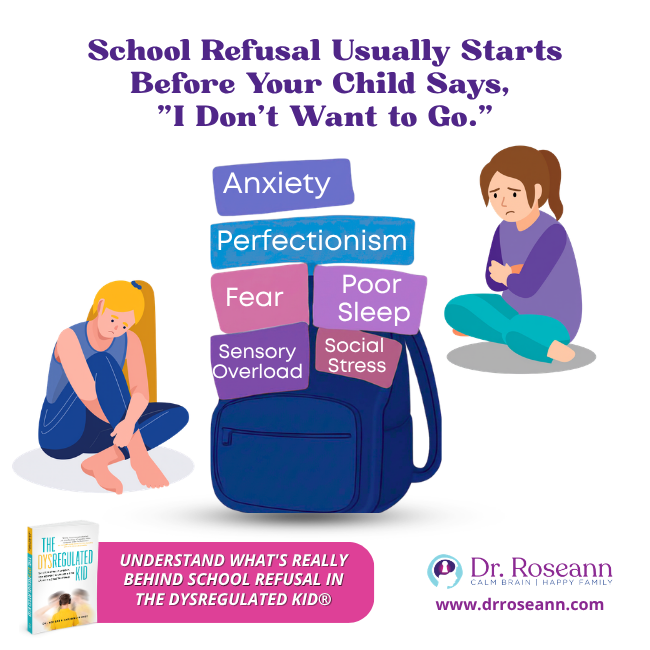
- Persistent school refusal
- Panic attacks during everyday routines
- Chronic somatic complaints (stomachaches, headaches)
- Dysregulated behavior spilling into family life
Professional tools include counseling, behavioral therapy, and in some cases, guided neurofeedback or PEMF to calm the nervous system.
How Parents Can Model Calm
Children learn self-regulation through co-regulation with their parents.
Tips for parents:
- Slow your voice and breathing during stressful moments
- Model coping strategies openly
- Validate feelings: “I see this is hard. Let’s work through it together.”
- Keep the environment predictable and low-pressure during study or test prep
Quick Tips for Reducing Test Anxiety
- Front-load regulation: snack, movement, and calm before studying
- Short, structured study sessions instead of marathon cramming
- Reward coping behaviors and micro-successes
- Practice visualization and deep breathing regularly
Don't spend another evening dreading the after-school crash or bedtime battles. Get your copy of The Dysregulated Kid and learn how to help your child decompress.
.png)
FAQs
How do I know if my child’s anxiety needs professional help?
If anxiety consistently interferes with school, sleep, or relationships, seek guidance from a mental health professional.
Can lifestyle changes reduce test anxiety?
Yes. Nutrition, sleep, movement, and stress regulation significantly impact focus and emotional stability.
Are practice tests helpful for anxious students?
Yes, when combined with calm-first strategies, they familiarize the brain with the process and reduce novelty stress.
Can anxiety show up as defiance or meltdowns?
Absolutely. Behavior is communication from a dysregulated nervous system, not intentional misbehavior.
How early should I address test anxiety?
Early intervention is critical. Start noticing patterns as soon as your child shows avoidance, worry, or somatic complaints.
Next Step:When your child is struggling, time matters.Don’t wait and wonder. Use the Solution Matcher to get clear next steps based on what’s actually going on with your child’s brain and behavior.
Take the quiz at www.drroseann.com/help
A child can know the material and still go completely blank when test anxiety pushes their nervous system into survival mode.
In The Dysregulated Kid®, I help parents understand why an anxious brain can lose access to memory, flexible thinking, and problem-solving even when a child is prepared. You’ll learn practical Regulation First Parenting® tools for calming the brain before pressure peaks and helping your child build capacity to tolerate academic stress. Get The Dysregulated Kid® at dysregulatedkid.com
Dr. Roseann Capanna-Hodge is a licensed therapist, certified school psychologist, and leading expert in emotional dysregulation in children. With over 30 years of experience, she helps parents understand the root causes of meltdowns, anxiety, ADHD, and challenging behavior through the lens of nervous system regulation. Dr. Roseann teaches practical, science-backed strategies for co-regulation and how to calm a dysregulated child using her Regulation First Parenting® approach. She is the host of the Dysregulated Kids Podcast and author of The Dysregulated Kid.
Dr. Roseann Capanna-Hodge
Emotional Dysregulation in Children & Nervous System Expert
Regulation First Parenting® | CALMS Protocol™
Host of the Dysregulated Kids Podcast (Top 1% Globally)
Author of The Dysregulated Kid

Find this helpful? Leave us a review!
Your feedback helps more overwhelmed parents find calm, clarity, and the proven tools that make everyday life easier.
Dr. Roseann Capanna-Hodge: Helping Families of Dysregulated Kids Thrive Through Regulation First Parenting®
As the creator of Regulation First Parenting®, she’s helping families of dysregulated kids discover a compassionate, brain-based path forward. Through The Dysregulated Kids™ Podcast (top 2% globally), she offers practical strategies that help parents understand their child’s brain and support lasting change.
Through The Global Institute of Children’s Mental Health and Dr. Roseann, LLC, she’s created resources like the Neurotastic® Brain Formulas and the Regulation First Parenting® framework—meeting families where they are and supporting them through challenges like ADHD, anxiety, OCD, PANS/PANDAS, and behavioral struggles.
Recognized by Forbes as “a thought leader in children’s mental health,” Dr. Roseann is changing how we understand emotional dysregulation in children—one family at a time.