




Estimated Reading Time: 11 minutes
Last week, a mom told me, “It took us 45 minutes and three meltdowns just to get out the door for school. I can’t tell if my son is being defiant or if he’s genuinely panicking.”
If this sounds familiar, you’re not alone. Parents often face exhausting daily battles that leave them questioning: Is this just defiance, or something deeper?
Two conditions that can look similar are Pathological Demand Avoidance (PDA) and Oppositional Defiant Disorder (ODD).
Pathological demand avoidance (PDA) vs ODD can look very similar from the outside, but the patterns behind the behavior can be different. PDA is commonly associated with intense demand avoidance, anxiety, and a need for autonomy, while ODD involves a persistent pattern of angry or irritable mood, argumentative or defiant behavior, and vindictiveness.
I’m Dr. Roseann Capanna-Hodge, and throughout my career I’ve worked with families who were told their child was simply defiant when the real issue was anxiety and nervous system dysregulation. For more than 30 years, I’ve helped parents better understand complex behavioral presentations so children receive support strategies that actually meet their emotional and neurological needs—not just behavior management.
What You’ll Learn
- The emotional and behavioral differences between PDA and ODD
- Why anxiety can play a major role in PDA behaviors
- How treatment and parenting approaches can differ
- What a PDA meltdown vs. an ODD outburst may look like
- How to recognize patterns that may help you know what kind of support your child needs
What is Pathological Demand Avoidance (PDA)?
PDA is commonly described as a behavioral profile associated with autism. Kids with PDA can experience intense distress around everyday demands. What looks like stubbornness may instead reflect an anxiety-driven need to regain a sense of autonomy or control.
Children with PDA often:
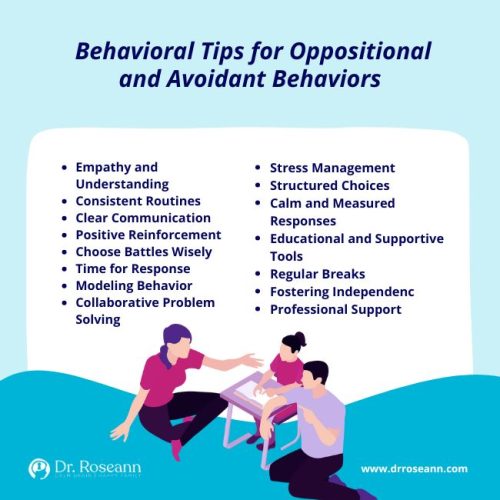
- Resist even simple requests, such as “Please get dressed.”
- Use distraction, negotiation, or avoidance tactics
- Experience meltdowns when they feel trapped or controlled
- Struggle with social boundaries, despite sometimes appearing socially confident
Parent Story
Anne, mom of a 6-year-old with PDA, noticed that every morning turned into a shouting match over putting on socks.
Once she realized his behavior wasn’t simply defiance but could be related to anxiety about losing control, she began offering him choices.
Instead of “Put on your socks now,” she asked, “Do you want the blue socks or the red socks?”
The battles decreased dramatically.
Is ODD the Same as Autism?
No. ODD is a separate diagnosis from autism. PDA, on the other hand, is most commonly discussed in connection with autism, although its exact clinical classification continues to be debated.
Common patterns associated with ODD include:
- Persistent anger or irritability
- Argumentative or defiant behavior
- Difficulty with authority figures or expectations
- Behavioral patterns that can vary depending on the person or setting
When comparing PDA vs ODD, it helps to look beyond the behavior itself and pay attention to what triggers the response, how the child reacts to demands, and what helps them regain regulation.
| Comparison | PDA | ODD |
|---|---|---|
| Motivation / driver | Demand avoidance may be connected with anxiety, perceived loss of autonomy, uncertainty, or overwhelm. | Angry or irritable mood and argumentative or defiant behavior are central features. There isn’t necessarily one single motivation behind ODD. |
| Triggers | Everyday demands, pressure, transitions, uncertainty, or perceived loss of control may increase avoidance. | Limits, frustration, rules, conflict, or interactions involving expectations may bring oppositional behavior to the surface. |
| Response to demands | May negotiate, distract, delay, escape, shut down, or become highly distressed. | May argue, refuse requests or rules, lose their temper, or repeatedly challenge expectations. |
| Response to rewards / consequences | Increasing pressure or making compliance the focus may sometimes increase demand avoidance or distress. | Treatment may include predictable expectations, positive reinforcement, and parent-management strategies. |
| Meltdown / outburst style | May appear panic-driven, overwhelmed, avoidant, explosive, or shut down when a demand becomes intolerable. | Outbursts may occur as part of a broader pattern of irritability, anger, arguing, or defiance. |
| What helps | Lower-pressure communication, collaboration, autonomy, predictability, and regulation support may help. | Support often includes parent training, consistent expectations, positive reinforcement, and treatment of co-occurring conditions. |
Can PDA Exist Without Autism?
Demand avoidance traits can occur in people who do not have an autism diagnosis.
Research has found extreme demand avoidance associated with both autistic traits and anxiety, including in general-population samples.
That doesn’t mean PDA is currently considered a separate diagnosis outside autism. PDA is not formally recognized as an independent diagnosis in the DSM-5-TR or ICD, and researchers continue to debate how it should be classified.
So, when a child shows strong demand avoidance but doesn’t have an autism diagnosis, it is especially important to look at the whole child rather than one behavior pattern or label.

What’s the Key Difference Between PDA and ODD?
One of the biggest differences is what appears to be driving the behavior.
With PDA, resistance to demands may be closely connected to anxiety, overwhelm, uncertainty, and a perceived loss of autonomy.
With ODD, clinicians look for a broader pattern of anger or irritability, argumentative behavior, defiance, or vindictiveness.
As Dr. Elizabeth Newson, who first described PDA, noted:
“At the heart of PDA is an overwhelming need to avoid everyday demands, rooted in high anxiety.”
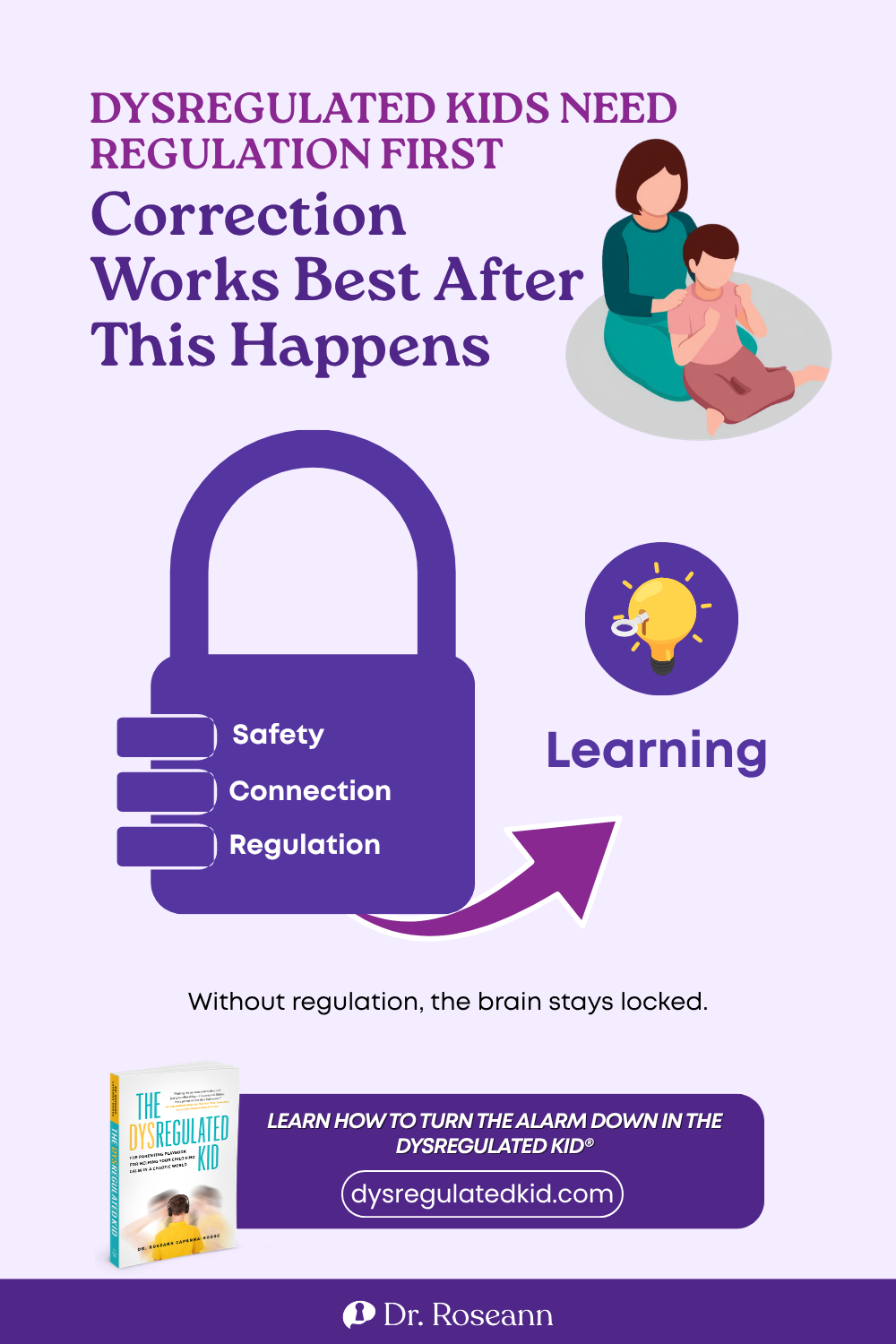
This is why a strategy that increases pressure may not help a child whose nervous system is already overwhelmed. Collaboration, trust, and understanding the trigger behind the behavior become incredibly important.
What Does a PDA Meltdown Look Like (vs. an ODD Outburst)?
A PDA meltdown may happen when a demand or perceived loss of control becomes overwhelming. You might see panic, crying, yelling, attempts to escape, shutting down, or an intense loss of emotional control.
An ODD outburst can look similar on the surface, but clinicians look for a broader, persistent pattern of anger or irritability, arguing, defiance, and vindictiveness rather than one particular type of meltdown.
That’s why the outburst itself isn’t enough to tell you whether you’re seeing PDA vs ODD.
Looking at the pattern, triggers, and what happens before and after the behavior gives you much more useful information.
How Do Treatments for PDA and ODD Differ?
Because PDA and ODD can have different patterns and triggers, the strategies used to support a child may also look different.
PDA Strategies
- Build trust and safety first
- Use collaborative problem-solving instead of relying only on commands
- Offer choices and appropriate autonomy
- Support regulation with tools such as visual schedules, role-play, and calm communication
ODD Strategies
- Use clear and consistent expectations
- Reinforce positive behaviors
- Teach emotional regulation and problem-solving skills
- Work with professionals to address other conditions or stressors contributing to the behavior
Parent Story
Tom’s 11-year-old son with ODD would yell and slam doors whenever asked to do chores.
His therapist introduced a point system where chores earned privileges. Over time, Tom saw his son channel anger into words instead of explosions.
The goal isn’t simply getting compliance. It’s understanding what skills a child needs in order to respond differently.

Can a Child Have Both PDA and ODD?
Yes. Some kids may show traits associated with both PDA and ODD, which can make things confusing for parents.
A child might:
- Refuse schoolwork when the demand feels overwhelming
- Later become angry or argumentative with a teacher
- Respond differently depending on the person, environment, demand, or amount of perceived control
This kind of overlap is why a comprehensive evaluation by a qualified mental health professional is so important.
Parents can also help by documenting behavior patterns across settings, including what happened before the behavior, what the child appeared to be feeling, and what helped afterward.
How Do I Know If My Child Has PDA or ODD?
If you’re unsure whether your child’s defiance is PDA, ODD, or a combination of behavioral and nervous system factors, here’s what to do:
- Track behaviors across settings, including home, school, and social situations.
- Notice the triggers. Is there a pattern involving demands, overwhelm, anger, anxiety, uncertainty, or loss of control?
- Seek a professional evaluation from a psychologist, psychiatrist, developmental pediatrician, or other qualified professional.
- Consider screening tools such as the Extreme Demand Avoidance Questionnaire (EDA-Q) as one source of information—not as a diagnosis by itself.
Quick PDA vs ODD Self-Check
This quick self-check can help you notice patterns, but it cannot diagnose PDA or ODD. A qualified professional needs to consider your child’s development, symptoms, functioning, environment, and possible co-occurring conditions.
Ask yourself:
- Do everyday demands themselves seem to trigger distress, even when my child actually wants to do the activity?
- Does giving more choice or autonomy noticeably reduce resistance?
- Does my child negotiate, distract, delay, joke, escape, or shut down to avoid demands?
- Does pressure quickly increase anxiety, overwhelm, or loss of control?
- Is there a broader pattern of anger, irritability, arguing, or defiance that happens beyond demand-related situations?
- Does the behavior significantly affect home, school, relationships, or daily functioning?
- Do the behaviors change depending on the setting, person, level of pressure, or amount of autonomy?
- Could ADHD, autism, anxiety, trauma, learning differences, or another condition be contributing to what I’m seeing?
Patterns matter more than any single “yes.”
If demand avoidance is standing out, use my PDA diagnosis checklist to take a closer look at the behaviors you’re seeing and bring those observations to a qualified professional.
What Parenting Strategies Actually Work?
Different children need different approaches, and that is especially true when you're comparing PDA vs ODD in kids.
For PDA Kids
- Stay calm and flexible
- Turn demands into choices when appropriate
- Collaborate instead of command
- Recognize that behavior can be communication of stress or overwhelm
- Pay attention to the child's nervous system state before increasing expectations
For ODD Kids
- Set clear and predictable expectations
- Avoid unnecessary power struggles
- Use positive reinforcement consistently
- Teach coping and problem-solving skills
- Focus on the relationship while maintaining appropriate boundaries
Parent Story
Lisa, mom of twins—one with PDA and one with ODD—had to use very different approaches.
For her PDA child, choices helped keep things calm. For her ODD child, structure and reward charts worked best.
She often says, “Once I stopped treating them the same, life got easier.”
That is such an important point.
The same behavior doesn't always have the same cause.
And when we understand what is driving the behavior, we can respond in a way that actually helps.
Where Should Parents Start?
If your child is showing signs of PDA or ODD:
- Don’t immediately assume the behavior means you've done something wrong.
- Start small by adding one new strategy at a time.
- Connect with professionals experienced in autism, emotional regulation, and behavioral disorders.
- Pay attention to what happens before, during, and after difficult moments.
- Remember: It’s gonna be OK.
You can help your child thrive by understanding pathological demand avoidance vs ODD.
While PDA and ODD can look similar, understanding what triggers the behavior and what helps your child recover gives you a much clearer path forward.
Remember: Behavior is communication. By calming the brain first, you create more space for learning, connection, and healing.
Related reading: treatment approaches for PDA.
FAQs About PDA vs ODD
Is PDA recognized as a diagnosis?
No. PDA is not currently a standalone diagnosis in the DSM-5-TR or ICD. It is most often discussed as a profile associated with autism, although researchers continue to debate its definition and classification.
Why is pathological demand avoidance often mistaken for ODD?
Pathological demand avoidance is often mistaken for ODD because both can involve refusal, emotional outbursts, resistance to expectations, and behaviors that appear defiant.
The important distinction is looking at the broader pattern and what appears to be triggering the behavior.
How does anxiety affect pathological demand avoidance behaviors?
Anxiety may contribute to pathological demand avoidance behaviors by increasing overwhelm and a child's need to escape, avoid, negotiate, or regain a sense of control when demands feel threatening.
Do autistic children with PDA want control?
Children with PDA may show an intense need for autonomy or control, especially when a demand creates anxiety, uncertainty, or nervous system stress.
That doesn't necessarily mean the child is trying to control other people. It may reflect an attempt to make an overwhelming situation feel more manageable.
How are treatment approaches different for PDA and ODD?
Treatment approaches may differ because PDA and ODD don't always respond to the same strategies.
A child with strong demand avoidance may benefit from flexibility, collaboration, autonomy, and nervous system support, while evidence-based approaches to ODD may also include parent-management strategies, clear expectations, positive reinforcement, and emotional regulation skills.
Can punishment worsen pathological demand avoidance?
Increasing pressure or consequences can sometimes increase distress and demand avoidance, particularly when a child already feels trapped, overwhelmed, or out of control.
That is why it is important to understand what is driving the behavior rather than responding only to what the behavior looks like.
How can parents support autistic children with PDA?
Parents can support autistic children with PDA by reducing unnecessary pressure, validating emotions, offering appropriate choices, and using calm, collaborative communication.
Supporting nervous system regulation first can make it easier for a child to access the skills they need.
Is ODD a real diagnosis, or is it bad parenting?
Yes. Oppositional Defiant Disorder is a recognized mental health diagnosis; it isn’t simply another name for bad parenting.
Clinicians look for a persistent pattern of angry or irritable mood, argumentative or defiant behavior, or vindictiveness that causes distress or interferes with daily functioning.
Family and environmental factors can affect behavior, but ODD should not be reduced to a parenting problem.
Will a child outgrow ODD?
Some children experience significant improvement in ODD symptoms as they get older, especially with appropriate support. But it’s not something I recommend simply waiting for a child to outgrow.
Long-term outcomes vary, which is why early evaluation and individualized support can be so important.
Can adults have PDA or ODD?
Demand avoidance can continue into adulthood, although research specifically examining PDA in adults is still limited.
ODD is most commonly identified during childhood, but oppositional symptoms can continue into adulthood. An adult evaluation should consider developmental history and other conditions that can produce similar patterns.
Terminology
- PDA (Pathological Demand Avoidance): A term used to describe a pattern of extreme demand avoidance that is often discussed in connection with autism.
- ODD (Oppositional Defiant Disorder): A recognized disorder involving a persistent pattern of angry or irritable mood, argumentative or defiant behavior, or vindictiveness.
- ASD (Autism Spectrum Disorder): A developmental condition affecting social communication and behavior and often involving differences in sensory processing.
- Extreme Demand Avoidance Questionnaire (EDA-Q): A screening questionnaire developed to identify traits associated with extreme demand avoidance in children and adolescents. It is not a diagnostic tool on its own.
Citations
Newson, E., Le Maréchal, K., & David, C. (2003). Pathological demand avoidance syndrome: A necessary distinction within the pervasive developmental disorders. Archives of Disease in Childhood, 88(7), 595–600. https://adc.bmj.com/content/88/7/595
Woods, R. (2020). Pathological Demand Avoidance (PDA). In Encyclopedia of Autism Spectrum Disorders. Springer.
Sage Journals. (2025). Oppositional Defiant Disorder: Evidence-Based Review of Behavioral Interventions. Advances in Clinical Practice. https://journals.sagepub.com/doi/10.12788/acp.0056
©Roseann Capanna-Hodge
Understanding your child's emotional triggers is the first step toward helping them self-regulate. For a comprehensive guide, see The Dysregulated Kid by Dr. Roseann Capanna-Hodge.
Always remember… “Calm Brain, Happy Family™”
Disclaimer: This article is not intended to give health advice and it is recommended to consult with a physician before beginning any new wellness regime. The effectiveness of diagnosis and treatment varies by patient and condition. Dr. Roseann Capanna-Hodge, LLC does not guarantee certain results.
Meet the Expert
Licensed Therapist | Certified School Psychologist
Board Certified in Neurofeedback (BCN) | 30+ Years Clinical Experience
Expert in Emotional Dysregulation in Children and Nervous System Regulation
Host, Dysregulated Kids Podcast | Author, The Dysregulated Kid
Dr. Roseann Capanna-Hodge is a licensed therapist, certified school psychologist, and leading expert in emotional dysregulation in children and nervous system regulation. With over 30 years of clinical experience and having analyzed more than 10,000 brain maps, she helps families understand what behavior is really signaling—and how to calm the nervous system first so real change can happen.
She is the creator of Regulation First Parenting® and the CALMS Protocol™, host of the top 1% podcast Dysregulated Kids, and author of The Dysregulated Kid.