
Self-Regulation Series Page
Self-Regulation Skills for Children
Why Some Kids Struggle With Emotional Regulation, Impulse Control, and Calming Down
Self-regulation skills for children don't develop simply because a child is told to "calm down."
Many kids struggle with:
•emotional overreactions
•impulsive behavior
•frustration tolerance
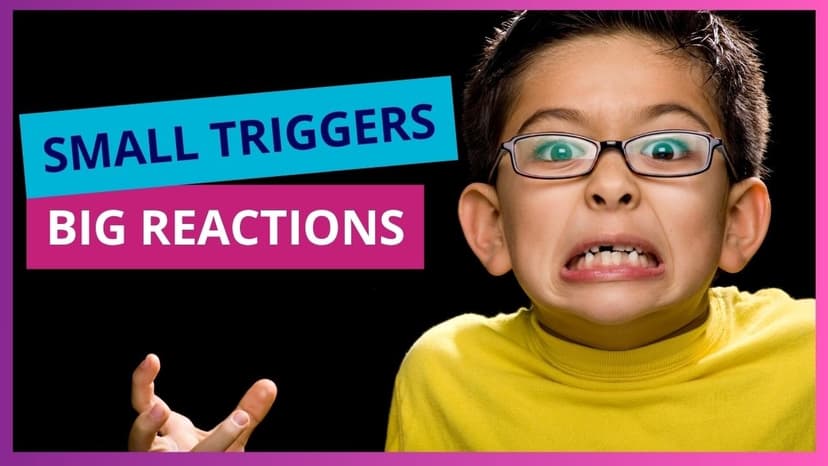
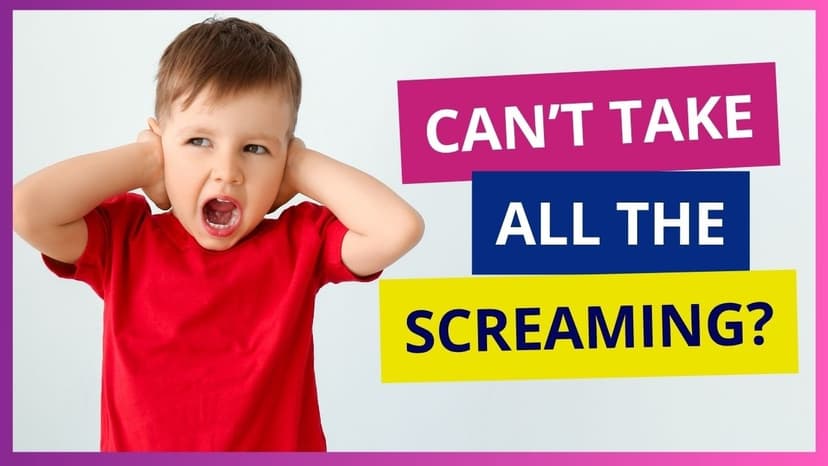
•emotional meltdowns
•shutdowns
•and difficulty calming their body and brain after stress.
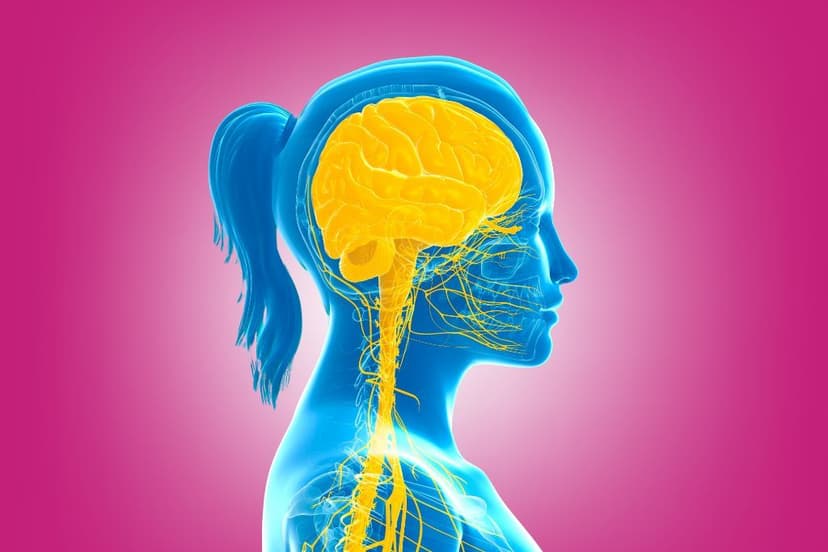
This is often a sign that the nervous system is overloaded—not a lack of effort or motivation.
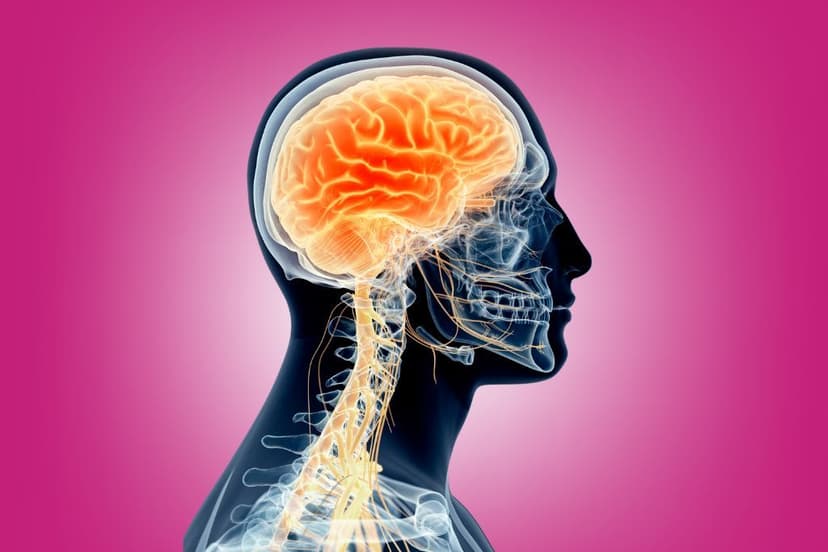
When kids become overwhelmed, the thinking brain goes offline and emotional regulation becomes much harder.
That's why many children:
•know better
•want to do well
•and still struggle in the moment.
Behavior is the symptom.
Dysregulation is the root.
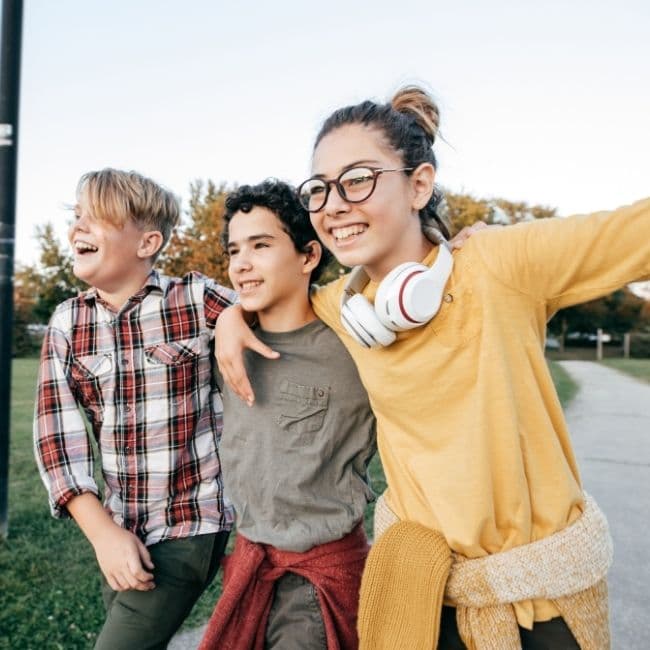
In This Self-Regulation Podcast Series, You'll Learn:
•self-regulation skills for children
•teaching kids emotional regulation
•how to improve self-regulation
•impulse control strategies for children
•calming strategies for kids
•nervous system regulation exercises
•the difference between self-regulation vs self-control
•how stress impacts emotional control and behavior
•Regulation First Parenting®
Dr. Roseann's Regulation First Parenting® approach helps parents calm the nervous system first so kids can build emotional regulation, stress tolerance, coping skills, and resilience more effectively.
Because regulated kids can learn, cope, and thrive.
Regulation First Parenting®
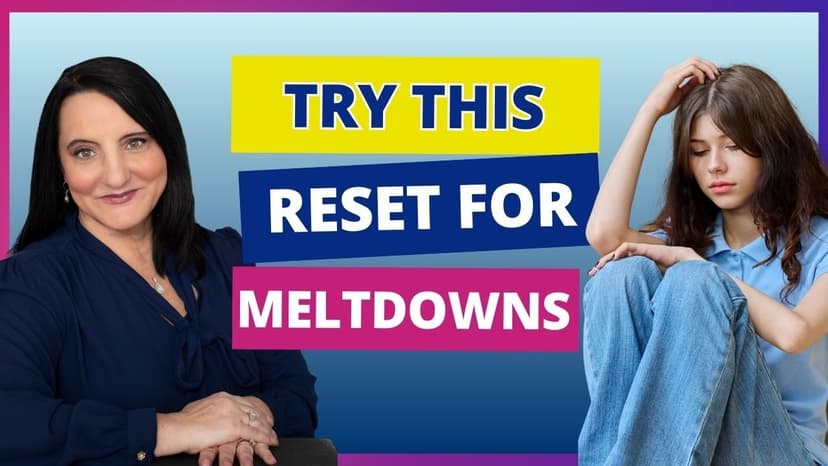
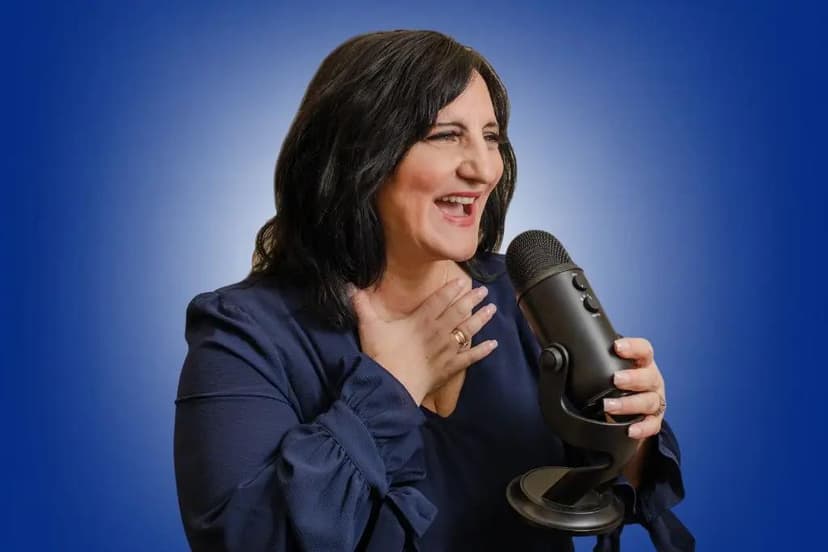
🎧 Listen to the Self-Regulation series on Dysregulated Kids and learn science-backed strategies that help kids feel calmer, more emotionally regulated, and more in control.










Go Back to Podcast Home