
Dysregulated Kids Podcast
LISTEN NOW:
Calm the Nervous System.
Change Behavior.
If your child melts down, won’t listen, or goes from calm to overwhelmed in seconds… you’re not alone.
Every kid gets dysregulated sometimes—but when it keeps happening, it’s a sign the nervous system needs support.
Get simple, clear ways to help your child calm down and feel in control.




START HERE:
What Does Your Child Needs the Most?


Meltdowns & Big Emotions
→ How to Stop Meltdowns Before They Start

Not Listening & Defiance
→ Why Your Child Isn’t Listening (And What to Do Instead)

ADHD & Focus Struggles
→ Why Dysregulated Kids Can’t Use Executive Function

Anxiety & Overwhelm
→ Calm Words That Actually Work

Daily Stress & Sudden Blow-Ups
→ The Stress Cup: Why Kids Explode Over Small Things
Check Out the Dysregulated Kids Podcast Series:

How to Get Your Child to Cooperate WITHOUT a Fight | Co-Regulation | E377

What I See Inside Every “Defiant” Kid’s Brain Map | Emotional Dysregulation in Children | E376

Why Kids Are Ruder Than Ever and What to Do | Emotional Dysregulation in Children | E375

Is Over-Scheduling Hurting Your Child’s Nervous System? | Nervous System Regulation | E374

The #1 Reason Your Kid Doesn't Listen (It's Not What You Think) | Regulation-First Parenting | E373

The Executive Function Trap: When Smart Kids Can’t Start | Emotional Dysregulation | E372

How to help your child if You've Tried Everything | Co-Regulation | E371

Which Therapeutic Diet Really Helps Neurodivergent Kids? GFCF, Keto, Paleo & More Explained with Julie Matthews | Emotional Dysregulation in Children | E370

The Real Reason You’re Stuck in Power Struggles | Regulation First Parenting™ | E369

Are you Stuck in Co-Dysregulation™ | Co-Regulation | E368

The 4 Calming Phrases Parents Say Changed Everything | Co-Regulation Parenting | E367

When the Sun Goes Down, the Meltdowns Begin—Here’s Why | Emotional Dysregulation in Children | E366

The Real Reason Your Child Is Struggling in School (and How to Fix It at Every Age) | Emotional Dysregulation in Children | E365

Why Your Kid’s Brain Shuts Down When Plans Change | Emotional Dysregulation in Children | E364
Is Everyday Stress Quietly Rewiring Your Child’s Brain? | Co-Regulation | E363

Why Therapy Isn’t Working: Neurofeedback for Dysregulation | Nervous System Regulation | E362

What a QEEG Brain Map Reveals About a Dysregulated and Distracted Brain | Nervous System Regulation | E361

Minerals, Mitochondria, and Meltdowns: The Overlooked Link with Dr. Aaron Hartman | Regulation First Parenting® | E360

Hidden Clues about Emotional Dysregulation in Tweens | Regulation First Parenting® | E359

The Surprising Fix for Oppositional Behavior (3 Steps Parents Can Use Today) | Regulation First Parenting® | E358

Your Child’s Meltdown Triggered Your Meltdown, Now What? | Co-Regulation | E357

Why Your Child Freaks Out Over the Smallest Things | Regulation First Parenting® | E356

Gentle Parenting Isn’t Enough: Here’s What Kids Really Need | Regulation First Parenting® | E355

Lazy or Dysregulated? What is the Truth About Unmotivated Kids | Nervous System Strategies | E354
Dysregulated Kids Podcast
Emotional Dysregulation, Anxiety, and
Nervous System Solutions for Kids
If you feel like nothing is working and your child has constant meltdowns, big emotional reactions, or struggles to focus and follow through—you’re not imagining it.
And you’re not alone.
The Dysregulated Kids Podcast helps you understand what’s really driving your child’s behavior—through the lens of the nervous system.
Because behavior isn’t the problem. It’s the signal.
With over 30 years of clinical experience and insights from more than 10,000 brain maps, Dr. Roseann Capanna-Hodge teaches you how to:
● Support your child’s nervous system in real time
● Use co-regulation to reduce meltdowns and power struggles
● Build self-regulation skills that actually stick
● Improve focus, attention, and emotional control
● Every child gets dysregulated sometimes.
But when it’s frequent, intense, or hard to recover from, your child needs more than behavior strategies—they need nervous system support.
Each episode gives you clear, science-backed tools you can use immediately—so your child can be more regulated, and behavior, focus, and connection can finally improve.
What You’ll Find Inside the Podcast
If you’ve ever thought…“Why does my child go from calm to overwhelmed so fast?”
“Why won’t they listen—even when they know better?”
“Why do small things turn into big reactions?”
You’re in the right place.
Inside the Dysregulated Kids Podcast, we break down what’s really going on beneath the surface—and what actually helps.
You’ll learn how to support your child when they are:
● Melting down, shutting down, or having big emotional reactions
● Struggling to focus, stay organized, or follow through
● Feeling anxious, stuck in worries, or overwhelmed
● Reacting strongly to noise, transitions, or sensory input
● Pushing back, refusing, or getting easily frustrated
● Having a hard time at school—even when they’re smart
● Needing more connection, support, and co-regulation
● Stuck in patterns that feel exhausting for both of you
And most importantly…You’ll learn how to calm the nervous system first, so behavior, focus, and emotional control can finally improve.
Dysregulated Kids Podcast FAQ
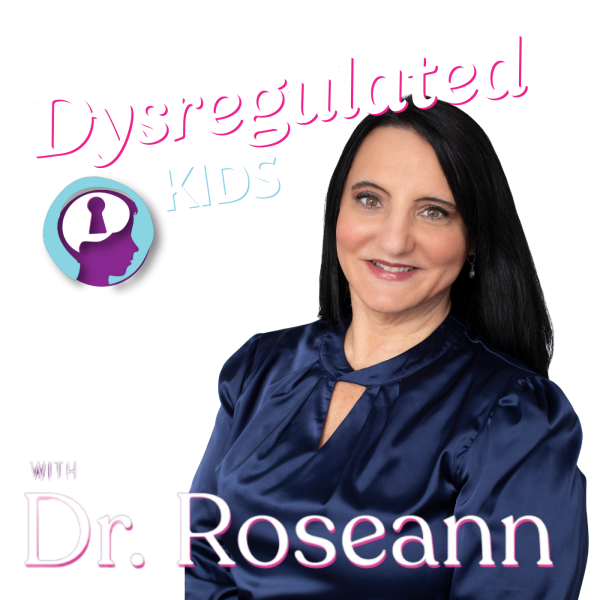
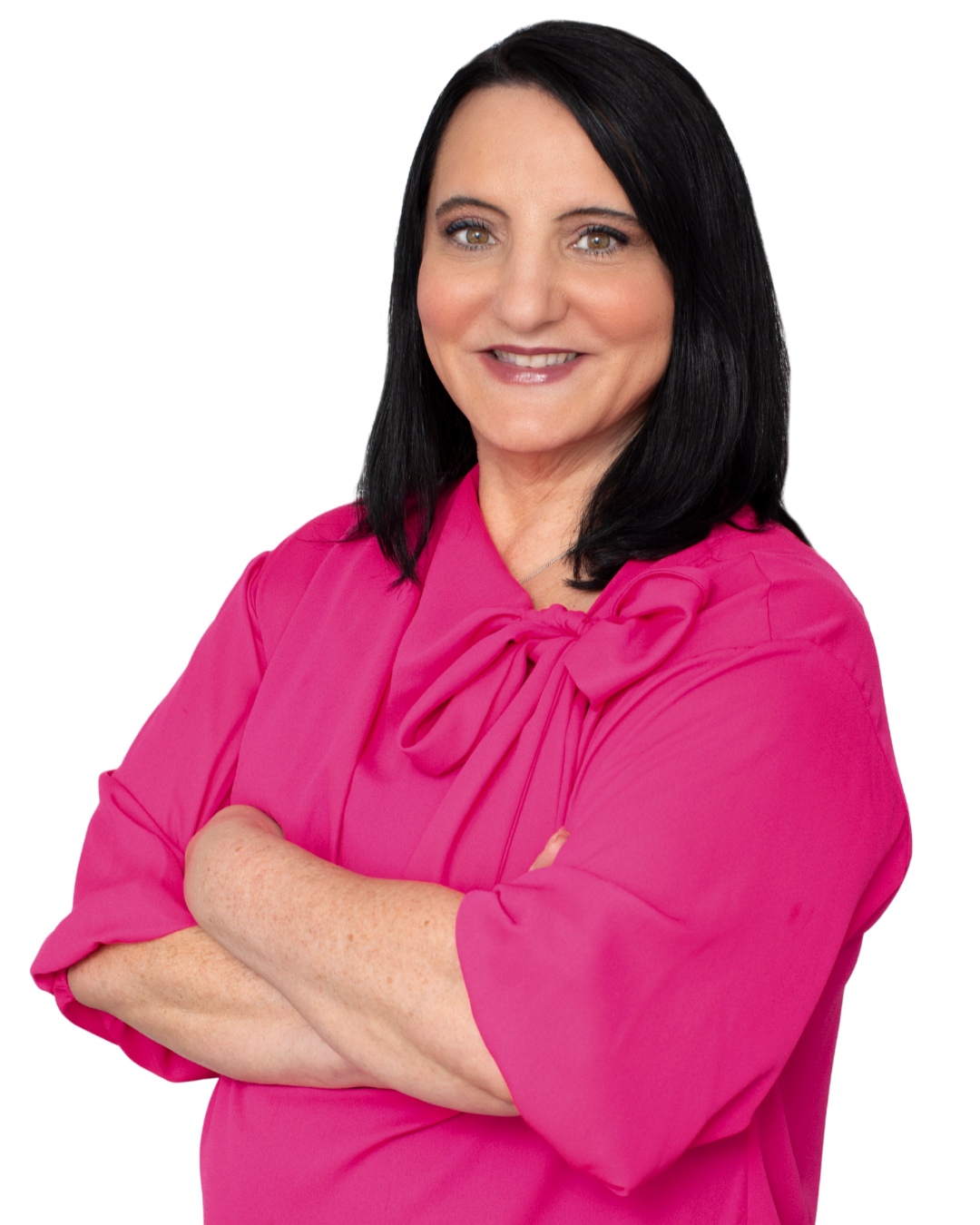
About Dr. Roseann
Behavior isn’t the problem—it’s a signal from the nervous system.When kids melt down, shut down, or struggle to focus, it’s not because they won’t do better.
It’s because, in that moment, they can’t.Through her work with thousands of families — and insights from more than 10,000 brain maps—Dr. Roseann teaches parents how to calm the brain first so real change can happen.
She is the creator of Regulation First Parenting®, a science-backed approach that helps you:
Stay calm and grounded—even in the hardest moments
Support your child’s nervous system in real time
Reduce meltdowns, anxiety, and power struggles
Build lasting self-regulation, focus, and resilience
Her approach is practical, compassionate, and designed for real life—because parenting a dysregulated kid isn’t about doing more…It’s about doing what actually works.Because kids don’t need to be fixed.
They need nervous systems that feel safe enough to regulate.
Not sure where to start?
Take the Solution Matcher Quiz and discover what your child’s nervous system actually needs. Finally understand what your child needs—and what to do next.
get your child's plan