Logo
Find Your Solution
In 3 minutes, you’ll know where to start ➤
CALMS Certified badge
Enrollment NOW OPEN: CALMS Certification Level I. - Be a Founding Member! Learn more.


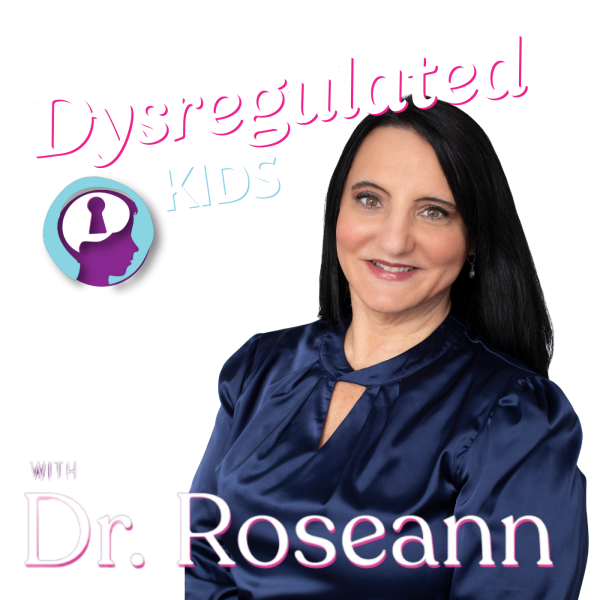
Dysregulated Kids Podcast


LISTEN NOW:
Calm the Nervous System.
Change Behavior.
‍

If your child melts down, won’t listen, or goes from calm to overwhelmed in seconds… you’re not alone.

Every kid gets dysregulated sometimes—but when it keeps happening, it’s a sign the nervous system needs support.

Get simple, clear ways to help your child calm down and feel in control.
‍

dysregulated kids podcast
parent-child communication - available on apple podcasts
Spotify logo featuring a green circle with three curved black lines representing sound waves, symbolizing the popular music and podcast streaming platform.
Amazon Music logo featuring the word 'Amazon' with the signature smile arrow and 'Music' in bold text, representing the digital music streaming service by Amazon.
Castbox logo, featuring a sleek and modern design with the name 'Castbox' in bold lettering, representing the popular podcast platform known for streaming and discovering podcasts.

START HERE:

What Does Your Child Needs the Most?

‍

Meltdowns & Big Emotions

→ How to Stop Meltdowns Before They Start

Not Listening & Defiance

→ Why Your Child Isn’t Listening (And What to Do Instead)

ADHD & Focus Struggles

→ Why Dysregulated Kids Can’t Use Executive Function

Graphic titled 'Anxiety Coping Skills for Teens,' featuring a diverse group of teenagers practicing coping techniques like deep breathing, journaling, exercising, and talking to a trusted adult, with calming colors and supportive text labels.

Anxiety & Overwhelm

→ Calm Words That Actually Work

Daily Stress & Sudden Blow-Ups

→ The Stress Cup: Why Kids Explode Over Small Things


Check Out the Dysregulated Kids Podcast Series:
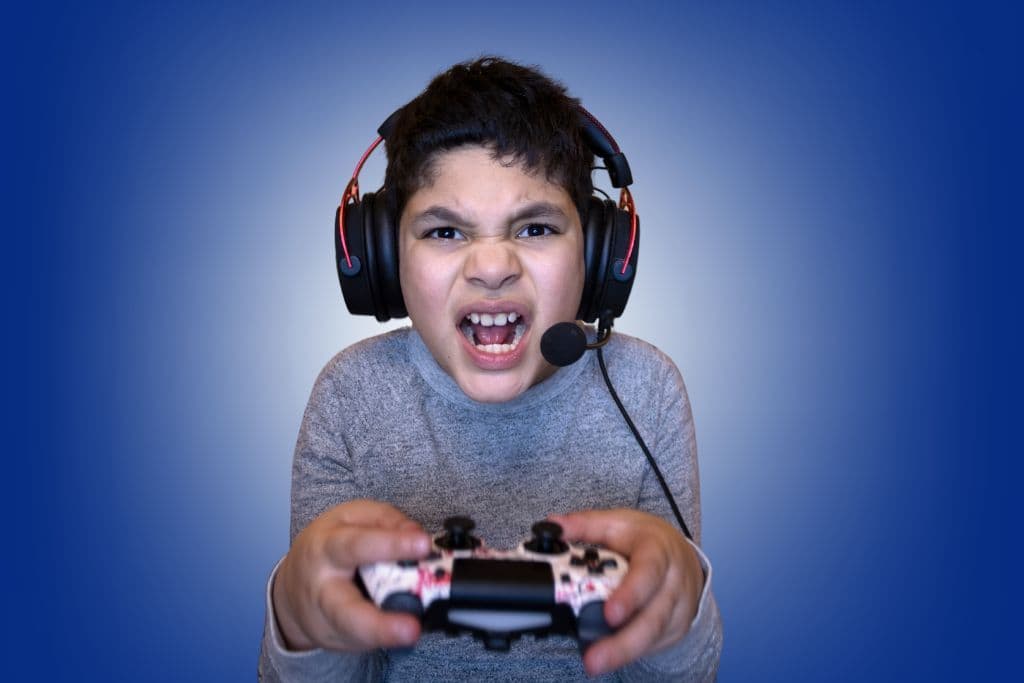
Dysregulated Kids podcast episode about video game additiction

Is Your Child Addicted to Video Games? 4 Warning Signs | Emotional Dysregulation in Children | E401

Learn how to tell if your child’s gaming is addiction or dysregulation, the warning signs to watch, and how to support calm transitions and emotional regulation.
Read More
Dysregulated Kids podcast episode about trauma and gut

It’s Not Just Stress (How Trauma and Your Gut Keep You Stuck) with Cynthia Thurlow | Emotional Dysregulation | E400

Learn how trauma, gut health, and chronic stress impact emotional regulation, and discover how calming the nervous system helps both parents and children feel safe.
Read More
Dysregulated Kids podcast episode about Calm Words

When Calm Words Don’t Work: What the Nervous System Is Trying to Tell You | Nervous System Regulation | E399
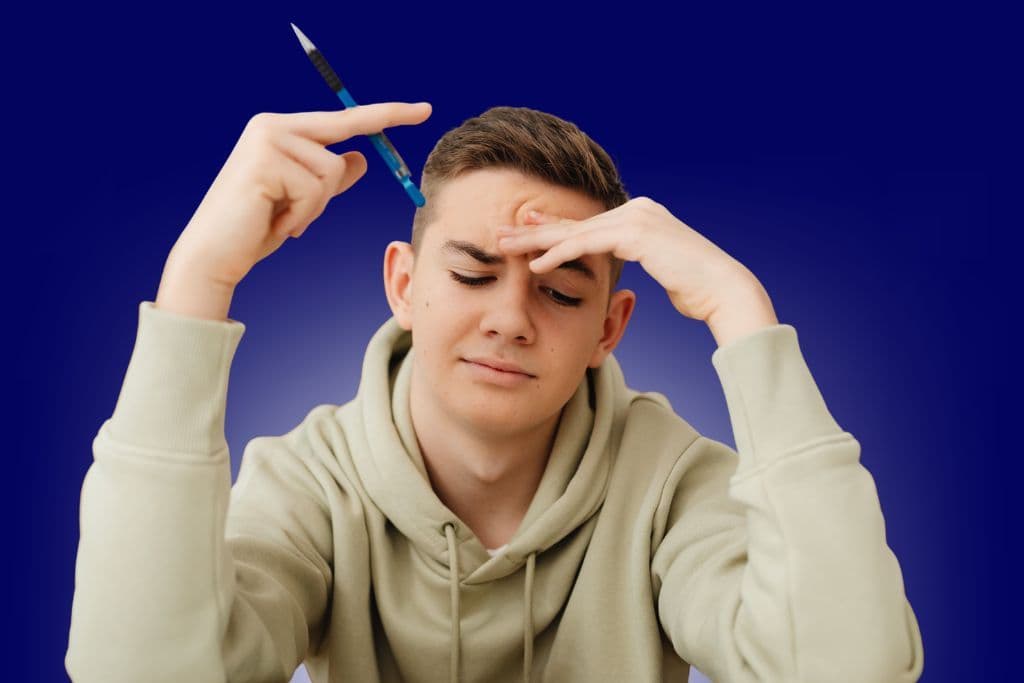
Learn why calm words fail during meltdowns, how nervous system overload blocks communication, and what actually helps your child regulate, connect, and respond again.
Read More
Dysregulated Kids podcast episode about child stop and think

Why Your Child Can’t Stop and Think (Even When They Want To) | Nervous System Regulation | E398
Learn why impulsive behavior happens when the thinking brain goes offline, how nervous system dysregulation drives reactions, and what helps kids pause, think, and respond better.
Read More
Dysregulated Kids podcast episode about highly sensitive

Is Your “Difficult” Child Highly Sensitive? Understanding Intense Emotions | Emotional Dysregulation in Children | E397

Discover why highly sensitive kids melt down over small triggers, how nervous system overload drives behavior, and what parents can do to support calm and regulation.
Read More
Dysregulated Kids podcast episode about Nervous System Signs

Emotional Dysregulation in Kids: Nervous System Signs You Might Be Misreading | Nervous System Regulation | E396

Learn how to spot early signs of emotional dysregulation, understand hidden nervous system signals, and respond in ways that prevent meltdowns and support lasting regulation.
Read More
Dysregulated Kids podcast episode about Smart Kids Struggle

Why Smart Kids Struggle So Much With School | Emotional Dysregulation in Children | E395

Learn why bright kids freeze, avoid homework, or shut down under stress and how calming the nervous system helps learning, confidence, and executive function return.
Read More
Dysregulated Kids podcast episode about Behavioral and Emotional Dysregulation

How Emotional Dysregulation Can Affect a Child’s Confidence | Emotional Dysregulation in Children | E394

Discover how chronic dysregulation impacts confidence, learning, and self esteem, and learn how calming the brain helps children rebuild resilience and motivation.
Read More
Dysregulated Kids podcast episode about Dysregulated vs. Regulated:

Dysregulated vs. Regulated: What Happens When the Brain Goes Offline | Emotional Dysregulation | E393

Learn the difference between regulated and dysregulated behavior, why the thinking brain shuts down under stress, and how calming the nervous system builds resilience.
Read More
Dysregulated Kids podcast episode about Sensory triggers

The Hidden Sensory Triggers Behind Your Child’s Big Reactions, Meltdowns, and Irritability | Emotional Dysregulation in Children | E392

Discover how sensory triggers silently overload your child’s nervous system, why reactions escalate, and practical ways to prevent meltdowns and support emotional regulation.
Read More
Dysregulated Kids podcast episode about Child's Mood Swings

Why Your Child’s Mood Swings Aren’t Just “Attitude” (and When to Worry) | Emotional Dysregulation in Children | E391

Learn why sudden mood swings are often nervous system dysregulation, when they may signal deeper mental health concerns, and how calming the brain helps restore stability.
Read More
Dysregulated Kids podcast episode about stop reacting

Breaking the Cycle: How to Stop Reacting Like Your Parents Did l Regulation First Parenting® l E390

Learn why old parenting reactions surface during stress and how regulating your nervous system helps break generational cycles and respond with calmer, intentional parenting.
Read More
Dysregulated Kids podcast episode about Meltdowns, tantrums and big reactions

How to Respond to Your Kid’s Meltdowns, Tantrums, and Big Reactions | Co-Regulation Parenting | E389

Discover why repeated meltdowns and tantrums signal nervous system overload and learn how calming the brain first helps children regulate emotions and behavior.
Read More
Dysregulated Kids podcast episode about Child’s Meltdowns

What’s Really Driving Your Dysregulated Child’s Meltdowns, Anxiety, and Focus Struggles l Regulation First Parenting® l E388

Discover how meltdowns, anxiety, and focus issues stem from one dysregulated nervous system and learn why calming the brain first creates lasting emotional and behavioral change.
Read More
Dysregulated Kids podcast episode about Dysregulated Child’s Brain

Before Another Diagnosis or Pill: What’s Happening in Your Dysregulated Child’s Brain | Emotional Dysregulation in Children | E387

Learn why meltdowns, anxiety, and focus struggles signal brain dysregulation, and how calming the nervous system first helps create real, lasting behavioral change.
Read More
Dysregulated Kids podcast episode about Micro Habits That Build Self Control

5 Secret Micro Habits That Build Self Control in Kids | Nervous System Strategies | E386
Discover five simple daily habits that build self control, strengthen executive functioning, and help kids regulate emotions without power struggles, punishment, or constant correction.
Read More
Dysregulated Kids podcast episode about MTHFR Gene

Could a Gene Be Amplifying ADHD, Anxiety, and Dysregulation? | Emotional Dysregulation | E385

Learn how genes like MTHFR can amplify stress reactivity, affect focus and mood, and what parents can do to support brain regulation and resilience.
Read More
Dysregulated Kids podcast episode about Child’s Meltdowns and Mood Swings

5 Hidden Ways Meltdowns and Mood Swings Connect to Mental Health Struggles | Emotional Dysregulation in Children | E384

Discover five early nervous system warning signs behind meltdowns and mood swings, and learn how supporting regulation early can protect your child’s mental health.
Read More
Dysregulated Kids podcast episode about Help Siblings Get Along

How to Help Siblings Get Along When One Is Dysregulated | Co-Regulation Parenting | E383

Learn why sibling conflict intensifies when one child is dysregulated and discover Regulation First Parenting strategies to calm nervous systems, protect siblings, and rebuild family connection.
Read More
Dysregulated Kids podcast episode about Screens Rewire Your Child’s Brain

Device Dysregulation™: How Screens Affect Your Child’s Brain | Nervous System Regulation | E382

Learn how screens dysregulate children’s brains, why meltdowns happen after device use, and practical Regulation First Parenting strategies to support calmer transitions and emotional regulation.
Read More
Dysregulated Kids podcast episode about mood swings and the nervous system

Meltdowns, Mood Swings, and the Nervous System No One Is Talking About | Regulation First Parenting | E381

Learn why meltdowns happen without obvious triggers, how nervous system overload fuels mood swings, and how calming the brain creates real, lasting change.
Read More
Dysregulated Kids podcast episode about lazy but smart

What If Your Child Isn't Lazy at All? Why Smart Kids Struggle | Emotional Dysregulation | E380

Discover why gifted kids avoid tasks, how dysregulation and executive function challenges drive it, and practical Regulation First Parenting strategies to restore motivation without pressure or shame.
Read More
Dysregulated Kids podcast episode about child says "no"

Why "No!" Becomes Your Child's Default Response | Regulation-First Parenting | E379

Learn why kids say “no” to everything, how stress and demand sensitivity drive resistance, and how Regulation First Parenting helps parents respond with calm and clarity.
Read More
Dysregulated Kids podcast episode about Quantum Biology

Why So Many Kids Are Anxious, Overstimulated, and Burned Out — A Quantum Biology Explanation with Dr. Catherine Clinton | Emotional Dysregulation | E378

Explore why modern kids feel burned out, how light, sleep, and stimulation affect the nervous system, and simple quantum biology based strategies to support calm and emotional regulation.
Read More

Dysregulated Kids Podcast

Emotional Dysregulation, Anxiety, and
Nervous System Solutions for Kids


If you feel like nothing is working and your child has constant meltdowns, big emotional reactions, or struggles to focus and follow through—you’re not imagining it.

And you’re not alone.

‍The Dysregulated Kids Podcast helps you understand what’s really driving your child’s behavior—through the lens of the nervous system.

Because behavior isn’t the problem. It’s the signal.

With over 30 years of clinical experience and insights from more than 10,000 brain maps, Dr. Roseann Capanna-Hodge teaches you how to:

● Support your child’s nervous system in real time
● Use co-regulation to reduce meltdowns and power struggles
● Build self-regulation skills that actually stick
● Improve focus, attention, and emotional control
● Every child gets dysregulated sometimes.

But when it’s frequent, intense, or hard to recover from, your child needs more than behavior strategies—they need nervous system support.

Each episode gives you clear, science-backed tools you can use immediately—so your child can be more regulated, and behavior, focus, and connection can finally improve.

What You’ll Find Inside the Podcast


If you’ve ever thought…“Why does my child go from calm to overwhelmed so fast?”
“Why won’t they listen—even when they know better?”
“Why do small things turn into big reactions?”

You’re in the right place.

Inside the Dysregulated Kids Podcast, we break down what’s really going on beneath the surface—and what actually helps.

You’ll learn how to support your child when they are:

● Melting down, shutting down, or having big emotional reactions
● Struggling to focus, stay organized, or follow through
● Feeling anxious, stuck in worries, or overwhelmed
● Reacting strongly to noise, transitions, or sensory input
● Pushing back, refusing, or getting easily frustrated
● Having a hard time at school—even when they’re smart
● Needing more connection, support, and co-regulation
● Stuck in patterns that feel exhausting for both of you

And most importantly…You’ll learn how to calm the nervous system first, so behavior, focus, and emotional control can finally improve.

Dysregulated Kids Podcast FAQ

How can I help my dysregulated child calm down?
Is this podcast right for my child’s behavior?
Where should I start if I’m new to dysregulation?
Is it normal for kids to be dysregulated sometimes?
How do I know if my child is dysregulated?
Is this podcast only for kids with ADHD or anxiety?
Will I get strategies I can use right away?
What topics do you cover?
How is this different from other parenting podcasts?

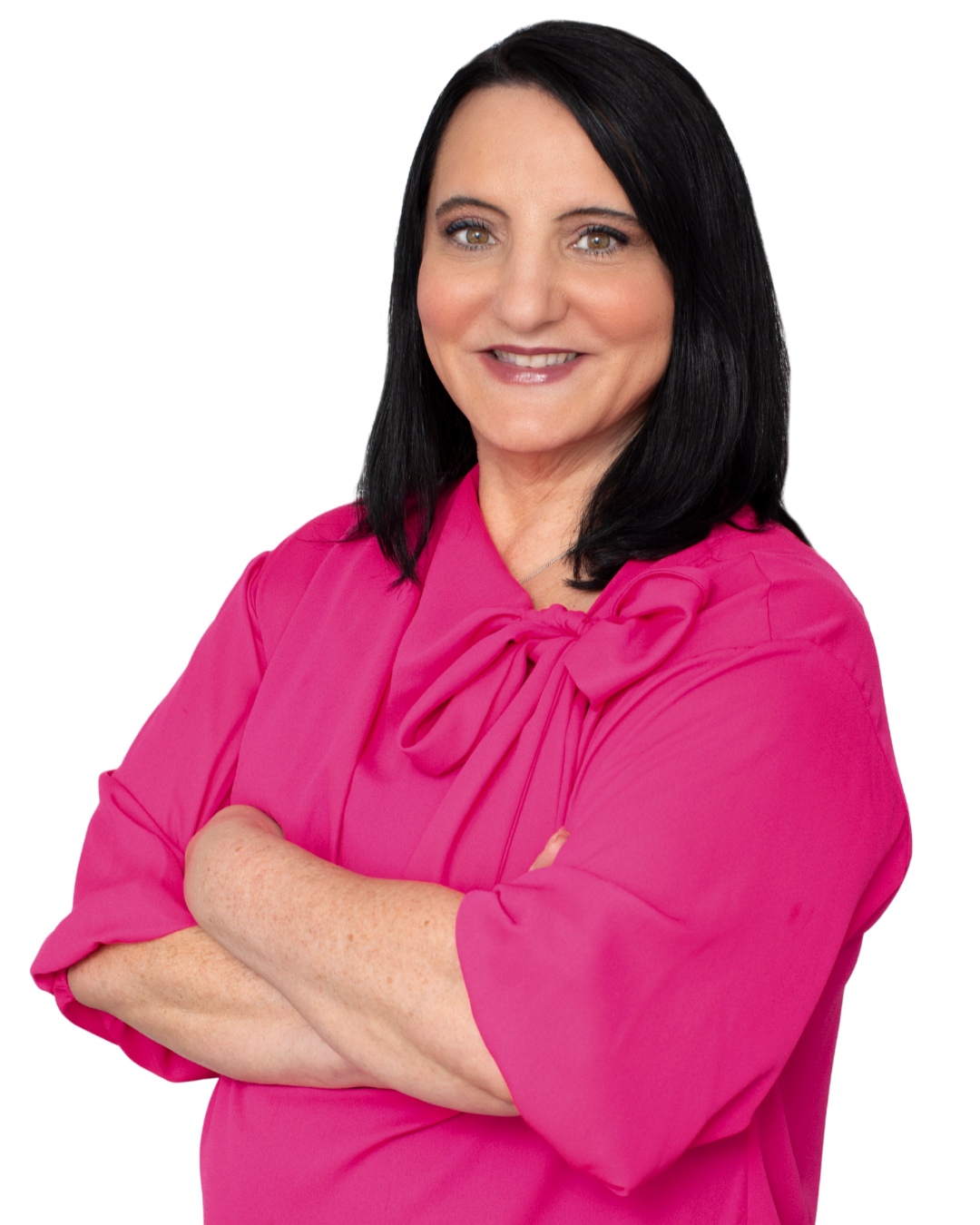
About Dr. Roseann

Dr. Roseann Capanna-Hodge is a licensed therapist, certified school psychologist, and parent of neurodivergent kids who has spent over 30 years helping families understand one powerful truth:

‍Behavior isn’t the problem—it’s a signal from the nervous system.When kids melt down, shut down, or struggle to focus, it’s not because they won’t do better.
‍
It’s because, in that moment, they can’t.Through her work with thousands of families — and insights from more than 10,000 brain maps—Dr. Roseann teaches parents how to calm the brain first so real change can happen.

She is the creator of Regulation First Parenting®, a science-backed approach that helps you:
Stay calm and grounded—even in the hardest moments
Support your child’s nervous system in real time
Reduce meltdowns, anxiety, and power struggles
Build lasting self-regulation, focus, and resilience

Her approach is practical, compassionate, and designed for real life—because parenting a dysregulated kid isn’t about doing more…It’s about doing what actually works.Because kids don’t need to be fixed.

They need nervous systems that feel safe enough to regulate.
Not sure where to start?

Take the Solution Matcher Quiz and discover what your child’s nervous system actually needs. Finally understand what your child needs—and what to do next.

get your child's plan