
Dysregulated Kids Podcast
LISTEN NOW:
Calm the Nervous System.
Change Behavior.
If your child melts down, won’t listen, or goes from calm to overwhelmed in seconds… you’re not alone.
Every kid gets dysregulated sometimes—but when it keeps happening, it’s a sign the nervous system needs support.
Get simple, clear ways to help your child calm down and feel in control.




START HERE:
What Does Your Child Needs the Most?


Meltdowns & Big Emotions
→ How to Stop Meltdowns Before They Start

Not Listening & Defiance
→ Why Your Child Isn’t Listening (And What to Do Instead)

ADHD & Focus Struggles
→ Why Dysregulated Kids Can’t Use Executive Function

Anxiety & Overwhelm
→ Calm Words That Actually Work

Daily Stress & Sudden Blow-Ups
→ The Stress Cup: Why Kids Explode Over Small Things
Check Out the Dysregulated Kids Podcast Series:

The Secret Signs Your Child Needs Help with Behavior | Emotional Dysregulation in Children | E330

"I Swore I'd Stay Calm ... Then I lost It" | How to Self Regulate as a Parent | E329

When Your Child Is Left Out: What to Say and Do | Co-Regulation Parenting | E328

3 Foods That Make Anxiety Worse And What to Eat Instead | Regulation First Parenting® | E327

Top 5 Therapeutic Exercises to Improve Emotional Regulation Skills in Children and Teens | Regulation First Parenting® | E326
Emotional Dysregulation Treatment: What Really Works for Children and Teens | E325
How Emotional Dysregulation and Trauma Impact Behavior and Learning | Regulation First Parenting® | E324
The Link Between Emotional Dysregulation and Trauma in Children | Regulation First Parenting® | E323

What's Really Causing Anger Outbursts in Kids | Emotional Dysregulation in Children | E322
50 Police Calls Later: What Everyone Missed About These Dysregulated Kids | Emotional Dysregulation in Children | E321
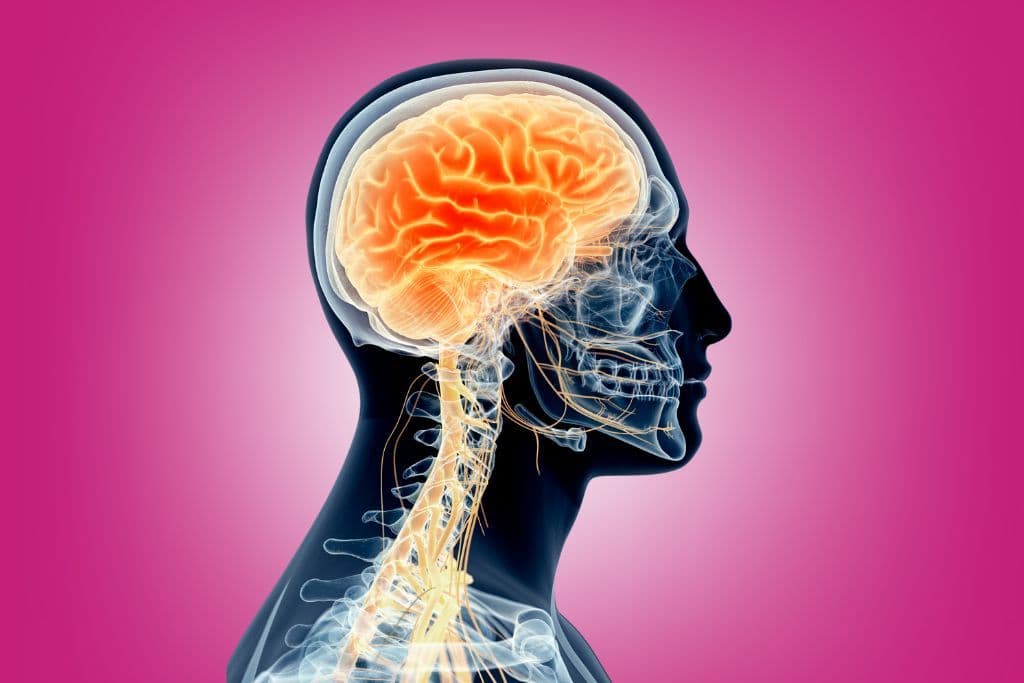
What the Vagus Nerve Has to Do With Your Child’s Behavior | Nervous System Regulation | E320

“I Hate You, Mom!”—What to Say When It Hurts Most | Co-Regulation Parenting | E319

The #1 Thought-Calming Strategy Every Parent of an Anxious Child Must Know | Nervous System Regulation | E318

The 3 WORST Supplements for ADHD | Emotional Dysregulation in Children | E317
ADHD vs Mood Disorder | Emotional Dysregulation in Children | E316

Dysregulated or Defiant? Understanding the Brain-Behavior Connection | Emotional Dysregulation in Children | E315

How to Help Kids With Emotional Dysregulation and Anxiety | Regulation First Parenting® | E314

Emotional Dysregulation: Signs, Causes, and How to Help Your Child Regulate Emotions | Emotional Dysregulation in Children | E313

What is Emotional Dysregulation? | Regulation First Parenting® | E312

Case Study: What a 10-Year-Old Who Shot His Mom Teaches Us About Emotional Dysregulation | Emotional Dysregulation in Children | E311

The Medical Mystery Behind Your Child’s Dysregulation, OCD, and Anxiety | Emotional Dysregulation in Children | E310
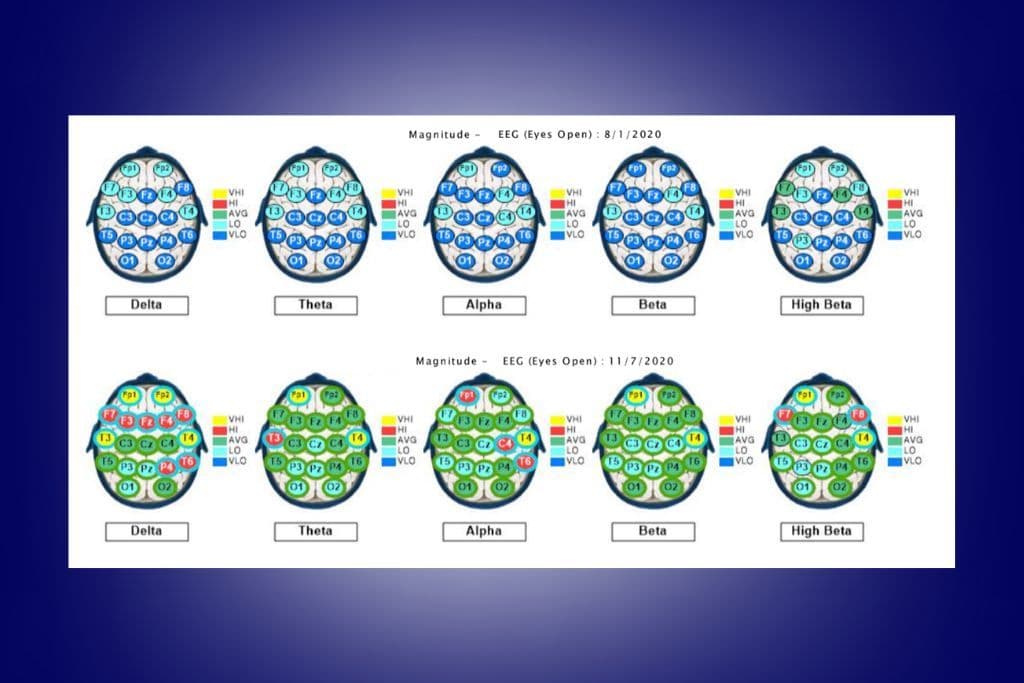
What a QEEG Brain Map Can Show You | Nervous System Regulation | E309

Help Your OCD Child Thrive in the Classroom | Regulation First Parenting® | E308

5 Things Parents Shouldn't Say to Kids with OCD or Anxiety | Regulation First Parenting® | E307
Dysregulated Kids Podcast
Emotional Dysregulation, Anxiety, and
Nervous System Solutions for Kids
If you feel like nothing is working and your child has constant meltdowns, big emotional reactions, or struggles to focus and follow through—you’re not imagining it.
And you’re not alone.
The Dysregulated Kids Podcast helps you understand what’s really driving your child’s behavior—through the lens of the nervous system.
Because behavior isn’t the problem. It’s the signal.
With over 30 years of clinical experience and insights from more than 10,000 brain maps, Dr. Roseann Capanna-Hodge teaches you how to:
● Support your child’s nervous system in real time
● Use co-regulation to reduce meltdowns and power struggles
● Build self-regulation skills that actually stick
● Improve focus, attention, and emotional control
● Every child gets dysregulated sometimes.
But when it’s frequent, intense, or hard to recover from, your child needs more than behavior strategies—they need nervous system support.
Each episode gives you clear, science-backed tools you can use immediately—so your child can be more regulated, and behavior, focus, and connection can finally improve.
What You’ll Find Inside the Podcast
If you’ve ever thought…“Why does my child go from calm to overwhelmed so fast?”
“Why won’t they listen—even when they know better?”
“Why do small things turn into big reactions?”
You’re in the right place.
Inside the Dysregulated Kids Podcast, we break down what’s really going on beneath the surface—and what actually helps.
You’ll learn how to support your child when they are:
● Melting down, shutting down, or having big emotional reactions
● Struggling to focus, stay organized, or follow through
● Feeling anxious, stuck in worries, or overwhelmed
● Reacting strongly to noise, transitions, or sensory input
● Pushing back, refusing, or getting easily frustrated
● Having a hard time at school—even when they’re smart
● Needing more connection, support, and co-regulation
● Stuck in patterns that feel exhausting for both of you
And most importantly…You’ll learn how to calm the nervous system first, so behavior, focus, and emotional control can finally improve.
Dysregulated Kids Podcast FAQ
About Dr. Roseann
Behavior isn’t the problem—it’s a signal from the nervous system.When kids melt down, shut down, or struggle to focus, it’s not because they won’t do better.
It’s because, in that moment, they can’t.Through her work with thousands of families — and insights from more than 10,000 brain maps—Dr. Roseann teaches parents how to calm the brain first so real change can happen.
She is the creator of Regulation First Parenting®, a science-backed approach that helps you:
Stay calm and grounded—even in the hardest moments
Support your child’s nervous system in real time
Reduce meltdowns, anxiety, and power struggles
Build lasting self-regulation, focus, and resilience
Her approach is practical, compassionate, and designed for real life—because parenting a dysregulated kid isn’t about doing more…It’s about doing what actually works.Because kids don’t need to be fixed.
They need nervous systems that feel safe enough to regulate.
Not sure where to start?
Take the Solution Matcher Quiz and discover what your child’s nervous system actually needs. Finally understand what your child needs—and what to do next.
get your child's plan